
Short Answer
What Is Lasagne? Italian Pasta Dish Explained
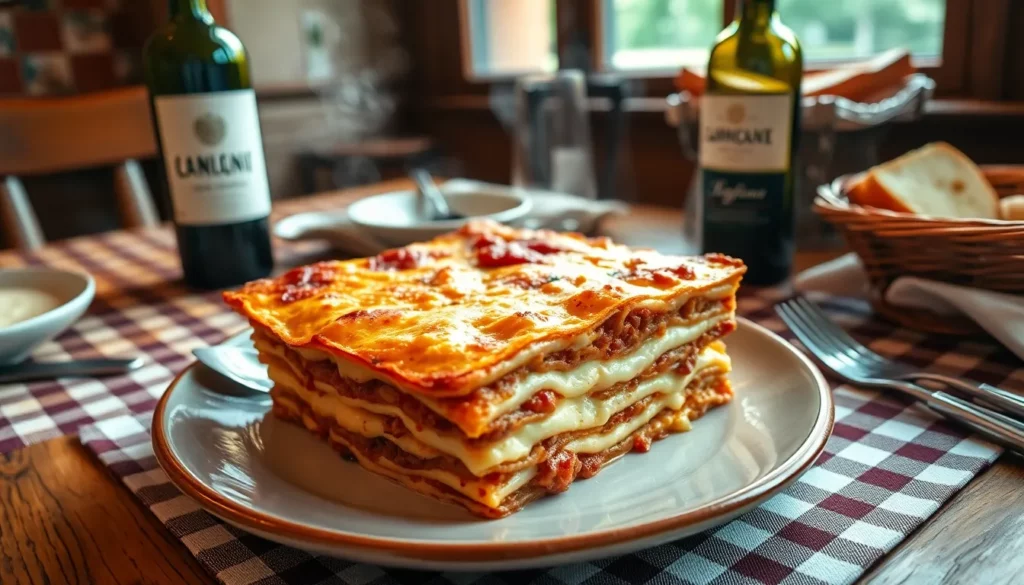
Lasagne (singular: lasagna) is a baked pasta dish of Italian origin, consisting of alternating layers of flat pasta sheets, a savory ragù (meat sauce), béchamel sauce, and grated Parmigiano-Reggiano cheese. The dish is typically assembled in a baking dish and cooked in the oven until golden and bubbling. While countless variations exist, the classic version hails from the Emilia-Romagna region, particularly the city of Bologna. Key ingredients include egg-based pasta, a slow-cooked ragù made from beef and pork, béchamel (a white sauce of butter, flour, and milk), and Parmigiano-Reggiano. Lasagne is a staple of Italian Sunday lunches and festive occasions, prized for its comforting richness and complex flavors.
Origin & History
The origins of lasagne trace back to ancient Rome, where a dish called laganum—thin sheets of dough fried or baked—was consumed. However, the modern layered lasagne as we know it emerged in the Middle Ages. The first documented recipe appears in the 14th-century cookbook Liber de Coquina (Book of Cookery), which describes a dish of pasta sheets layered with cheese and spices. The evolution continued in Renaissance Italy, with the addition of meat sauces and béchamel. The definitive version, Lasagne alla Bolognese, was codified in the 19th and 20th centuries in Bologna, where the local ragù (a slow-cooked meat sauce) and béchamel became standard. A persistent myth claims that lasagne was invented in Naples, but historical evidence points to Emilia-Romagna as the true birthplace. The dish gained international fame through Italian emigration, leading to adaptations like the American lasagna with ricotta and mozzarella.
What’s In It
Authentic Italian lasagne relies on a precise set of core ingredients, each contributing to its distinctive texture and flavor. The pasta sheets are traditionally made from durum wheat semolina and eggs, rolled thin and either boiled or used fresh. The ragù, or meat sauce, is a cornerstone: typically a mixture of ground beef and pork, slowly simmered with soffritto (onion, carrot, celery), tomato passata, white wine, and sometimes milk or cream. Béchamel sauce—a roux of butter and flour whisked into milk—provides creaminess without overwhelming the other flavors. Parmigiano-Reggiano cheese is grated between layers and on top. Some regional versions add mozzarella, ricotta, or other cheeses, but these are not part of the classic Bolognese recipe. Lasagne is distinct from similar dishes like timballo (a baked pasta pie with a crust) or cannelloni (rolled pasta tubes). The key differentiator is the layering of flat pasta sheets, which creates a structured, sliceable dish.
Regional Variations
Lasagne varies significantly across Italy, reflecting local ingredients and culinary traditions. Below is a comparison of three major regional styles:
| Region | Key Characteristics | Typical Ingredients |
|---|---|---|
| Emilia-Romagna (Bologna) | Classic Lasagne alla Bolognese; rich ragù, béchamel, no ricotta; green pasta (spinach) sometimes used. | Egg pasta, beef/pork ragù, béchamel, Parmigiano-Reggiano |
| Naples (Campania) | Lasagne di Carnevale; more layers, includes meatballs, ricotta, mozzarella, and hard-boiled eggs. | Pasta sheets, ragù, ricotta, mozzarella, meatballs, eggs, pecorino |
| Sicily | Lasagne alla Siciliana; often features eggplant, caciocavallo or ricotta salata, and tomato sauce without béchamel. | Pasta sheets, eggplant, tomato sauce, caciocavallo, basil, sometimes meat |
Other notable variations include Ligurian lasagne with pesto and potatoes, and Abruzzese versions with lamb ragù and pecorino. Each region’s lasagne tells a story of local agriculture and history.
How It’s Traditionally Eaten
In Italy, lasagne is served as a primo piatto (first course), typically followed by a secondo (meat or fish dish) and contorno (side dish). It is rarely eaten as a main course on its own. The dish is most commonly prepared for Sunday lunches, family gatherings, and festive holidays such as Christmas, Easter, and Carnevale. In Bologna, Lasagne alla Bolognese is a Sunday tradition, often paired with a medium-bodied red wine like Sangiovese di Romagna. The lasagne is baked until the top is golden and crispy, then allowed to rest for 10–15 minutes before slicing to ensure clean layers. It is served in square portions, often with a sprinkle of extra Parmigiano-Reggiano. Leftovers are cherished, as flavors meld overnight.
Common Mistakes / What It’s Not
Many misconceptions surround lasagne, especially in American-Italian contexts. First, authentic lasagne does not use ricotta cheese in the classic Bolognese version; ricotta is a Neapolitan addition. Second, no-boil pasta sheets are a modern convenience but can result in a gummy texture if not properly hydrated. Third, lasagne is not a quick weeknight meal—the ragù requires hours of slow cooking. Fourth, overloading with sauce or cheese makes the dish soggy; balance is key. Fifth, lasagne is not a secondo or a one-dish meal in Italy; it is a first course. Finally, the term “lasagna” in English often refers to the Americanized version with cottage cheese or mozzarella, which is distinct from the Italian original. To experience true lasagne, seek out recipes that respect regional traditions.
Where to Try It / What to Order
For an authentic experience, visit Emilia-Romagna, especially Bologna. Trattorias like Trattoria da Gianni or Osteria dell’Orsa serve classic Lasagne alla Bolognese. In Naples, try Lasagne di Carnevale at Da Michele or Antica Pizzeria da Michele (though known for pizza, they offer seasonal lasagne). In Sicily, seek out La Cambusa in Palermo for a version with eggplant. When ordering, specify “Lasagne al forno” for baked lasagne, and ask if it’s the regional style. For travelers, many agriturismi (farm stays) offer homemade lasagne using local ingredients. Festivals like the Sagra della Lasagna in the town of Gualtieri (Emilia-Romagna) celebrate the dish annually.
Related Dishes
FAQ
What is the difference between lasagne and lasagna?
In Italian, 'lasagna' is the singular form referring to a single sheet of pasta or the dish itself, while 'lasagne' is the plural, often used to describe the assembled dish. In English, 'lasagna' is more common, but both are acceptable.
Can I make lasagne ahead of time?
Yes, lasagne can be assembled a day in advance and refrigerated. It may require a slightly longer baking time. Leftovers also improve in flavor after a day.
What is the best cheese for lasagne?
For classic Bolognese lasagne, Parmigiano-Reggiano is essential. Neapolitan versions use ricotta and mozzarella. Avoid pre-shredded cheeses as they contain anti-caking agents that affect texture.
Is lasagne gluten-free?
Traditional lasagne is not gluten-free due to wheat pasta. However, gluten-free pasta sheets are available, and the dish can be adapted using rice flour or corn-based sheets.



Leave a Reply