Short Answer
What It Is
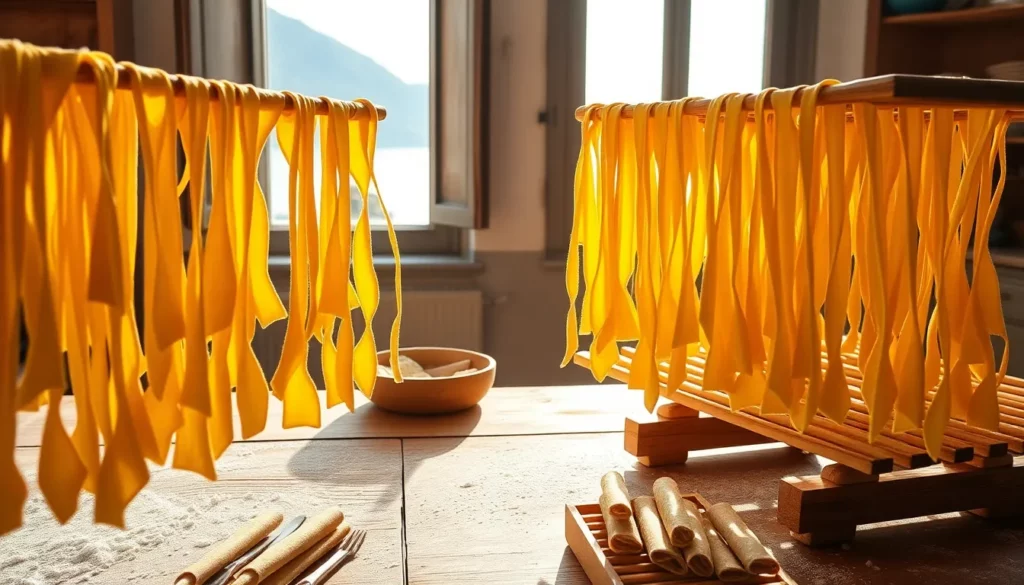
Pasta sgogliata is a traditional artisanal pasta originating from the Campania region of Italy, particularly the Sorrento Peninsula and the Amalfi Coast. The term sgogliata derives from the Italian verb sgogliare, meaning “to shell” or “to husk,” referring to the use of dehusked durum wheat (grano duro) semolina. This pasta is made by hand, rolled into thin, irregular sheets or ribbons, and dried slowly at low temperatures for 24 to 48 hours. Unlike industrial pasta, sgogliata retains a rough, porous surface that clings to sauces exceptionally well.
While pasta sgogliata does not hold a DOP (Denominazione di Origine Protetta) or PGI (Indicazione Geografica Protetta) status, it is recognized by the Italian Ministry of Agricultural Policies as a Prodotto Agroalimentare Tradizionale (PAT)—a traditional agri-food product. This designation ensures that the pasta is produced according to historical methods within its defined territory. The production is concentrated in small, family-run laboratories in towns such as Gragnano, Scala, and Ravello, where the microclimate and local wheat varieties contribute to its distinctive character.
“Pasta sgogliata is not just food; it is a testament to the patience and skill of Campanian pasta makers, who transform simple semolina and water into a canvas for the region’s bold flavors.” — Accademia Italiana della Cucina
Types & Grades
Pasta sgogliata is classified primarily by its shape and aging (drying) duration. The following table outlines the main grades and their characteristics:
| Grade / Type | Shape | Drying Time | Typical Use |
|---|---|---|---|
| Sgogliata Lunga | Long, irregular ribbons (similar to pappardelle but thinner) | 24–36 hours | Heavy meat ragùs, seafood sauces |
| Sgogliata Corta | Short, hand-cut squares or rectangles | 24–36 hours | Baked pasta dishes, soups |
| Sgogliata Stagionata | Any shape, aged longer | 48+ hours (up to 72) | Special occasion dishes, paired with robust sauces |
| Sgogliata Integrale | Same shapes, made with whole-grain semolina | 36–48 hours | Health-conscious preparations, earthy sauces |
Within each grade, producers may vary the thickness and texture. The stagionata (aged) variety is prized for its intensified nutty flavor and firmer bite, achieved through extended low-temperature drying. Some artisanal makers also produce a sgogliata all’uovo (with eggs), though the traditional version is egg-free.
How It’s Used in Cooking
Pasta sgogliata’s rough texture and robust structure make it ideal for hearty, slow-cooked sauces. Traditional Campanian dishes that feature this pasta include:
- Sgogliata al Ragù Napoletano – A slow-simmered meat sauce with tomatoes, onions, and red wine, often served on Sundays.
- Sgogliata con le Vongole – A seafood preparation with clams, garlic, white wine, and parsley, highlighting the pasta’s ability to absorb briny flavors.
- Sgogliata al Forno – Baked with béchamel, mozzarella, and ragù, similar to lasagna but with irregular sheets.
- Sgogliata in Brodo – Served in a rich meat or vegetable broth, especially during winter.
Because of its artisanal nature, sgogliata requires careful cooking: use a large pot of generously salted water, and cook until al dente—typically 6–8 minutes for fresh pasta, slightly longer for dried. Reserve some pasta water to adjust sauce consistency, as the starch released from the rough surface helps emulsify the sauce.
How to Choose/Identify Authentic Pasta Sgogliata
When purchasing pasta sgogliata, look for these authenticity cues:
- PAT Certification – Check for the official PAT logo or wording on the package, indicating it is a recognized traditional product.
- Origin – Authentic sgogliata is produced in Campania, especially in the provinces of Naples and Salerno. Look for “Prodotto in Campania” or specific town names like Gragnano.
- Ingredients – The list should be short: durum wheat semolina (preferably dehusked) and water. No additives, preservatives, or artificial colors.
- Appearance – The pasta should have an irregular, slightly rough surface, with variations in thickness and color (pale yellow to amber). Uniform, perfectly smooth pasta is likely industrial.
- Texture – When dry, it feels slightly porous, not glassy. After cooking, it should retain a firm bite and a noticeable roughness.
- Packaging – Artisanal producers often use simple, informative labels with the producer’s name, address, and a brief description of the method.
For commercial buyers, sourcing directly from Italian specialty distributors or attending food trade shows (e.g., Tuttofood) can ensure authenticity. Online retailers that specialize in Italian PAT products are also reliable.
Substitutes
If pasta sgogliata is unavailable, the following Italian substitutes can be used, each with specific considerations:
- Pappardelle – Similar wide, ribbon-like shape, but typically made with eggs. Use for ragùs; note that pappardelle is smoother, so sauces may not cling as well.
- Fettuccine – Narrower ribbons, also egg-based. Works in lighter sauces or seafood dishes.
- Mafaldine – A long pasta with wavy edges, offering a bit more texture. Good for hearty sauces.
- Pasta di Gragnano IGP – While not the same as sgogliata, this industrial pasta from the same region is made with high-quality durum wheat and bronze-drawn, giving a rough surface. It is a more accessible alternative for everyday cooking.
For baked dishes, lasagna sheets (preferably artisanal) can replace sgogliata corta. In soups, quadretti or malloreddus (Sardinian pasta) provide a similar rustic bite.
Note: Substitutes will not replicate the exact flavor and texture of sgogliata, especially the nuttiness from dehusked wheat. For authentic results, seek out the real product.
Conclusion
Pasta sgogliata represents a cherished tradition of Campanian pasta-making, distinguished by its use of dehusked durum wheat, hand-rolling, and slow drying. Its rough texture and nutty flavor elevate simple sauces into memorable dishes. Whether you are a home cook or a professional chef, understanding this PAT product’s origins, grades, and culinary applications allows you to appreciate and use it with confidence. When shopping, prioritize authenticity markers such as PAT certification and regional provenance. While substitutes exist, nothing compares to the genuine article for an authentic taste of the Amalfi Coast.
FAQ
What is pasta sgogliata?
Pasta sgogliata is a traditional artisanal pasta from Campania, made from dehusked durum wheat semolina and water, hand-rolled into irregular ribbons, and slow-dried. It is recognized as a PAT (Prodotto Agroalimentare Tradizionale) product.
How is pasta sgogliata different from regular pasta?
Unlike industrial pasta, sgogliata is made with dehusked wheat (sgogliata means 'shelled'), giving it a nuttier flavor and rougher texture that holds sauce better. It is also dried slowly at low temperatures, preserving more flavor and nutrients.
Where can I buy authentic pasta sgogliata?
Authentic pasta sgogliata is available from specialty Italian food stores, online retailers focusing on artisanal products, or directly from producers in Campania. Look for PAT certification or labels indicating 'pasta sgogliata di Gragnano' or from the Amalfi Coast.

Leave a Reply