Short Answer
What Is Cannelloni? Italian Pasta Explained
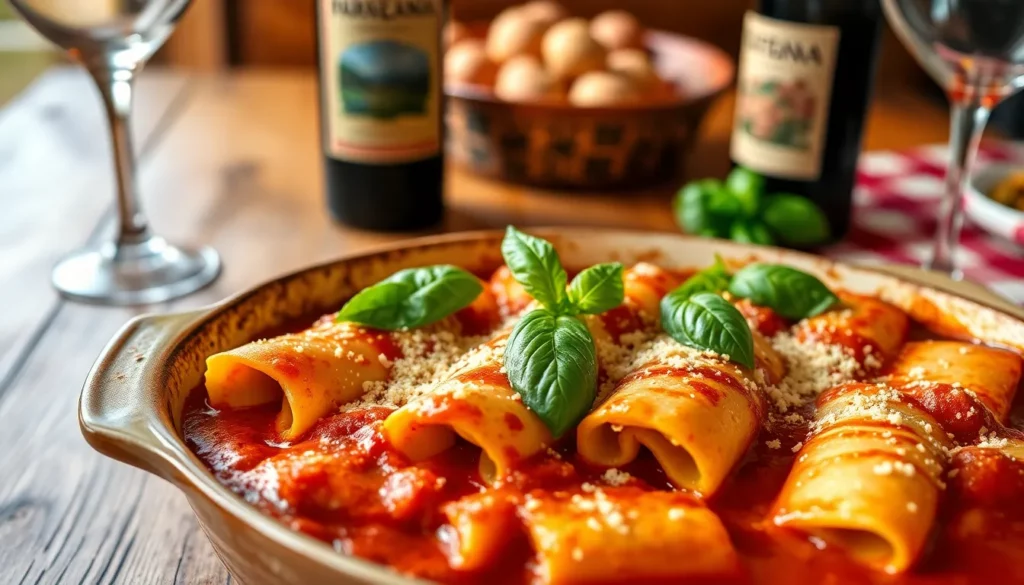
Cannelloni (Italian: [kannelˈloːni]; meaning “large reeds”) are cylindrical pasta tubes, typically 7–10 cm long, stuffed with a savory filling and baked with sauce and cheese. Originating in Italy, they are a classic primo piatto (first course) in many regions, especially Campania, Lazio, and Sicily. Key ingredients include the pasta itself (made from durum wheat semolina or fresh egg dough), fillings such as ricotta, spinach, ground meat, or mushrooms, and a topping of béchamel or tomato sauce with Parmigiano-Reggiano or mozzarella. Cannelloni are distinct from manicotti (a similar American-Italian dish) and cannelloni ripieni (stuffed cannelloni).
Origin & History
The exact origins of cannelloni are debated, but most food historians agree that the dish emerged in the early 20th century, likely in the Campania region (Naples) or Lazio (Rome). The name “cannelloni” first appeared in print in the 1907 cookbook Il Cuoco Galante by Vincenzo Corrado, though earlier versions of stuffed pasta tubes existed. Some attribute the modern cannelloni (note spelling difference) to a chef named Nicola Federico in Naples around 1900, who created a large tube pasta to hold a rich filling. Another theory links it to the Roman dish “cannelloni alla romana,” featuring a meat and spinach filling with béchamel. Unlike many ancient pasta shapes, cannelloni are a relatively modern invention, born from the desire to create a more elegant, baked pasta dish suitable for festive occasions. The dish gained international popularity after World War II, especially in the United States, where it was adapted as “manicotti.”
What’s In It
Core ingredients: Cannelloni pasta (dried or fresh sheets rolled into tubes), filling (commonly ricotta, spinach, ground beef or veal, mushrooms, or a combination), sauce (béchamel, tomato, or both), and cheese (Parmigiano-Reggiano, mozzarella, or provola). Preparation nuances: The pasta is usually parboiled before stuffing to make it pliable, then filled using a piping bag or spoon, arranged in a baking dish, covered with sauce and cheese, and baked until bubbly. Differentiate from similar dishes: Manicotti (larger, ridged tubes often stuffed with ricotta and served with marinara) and cannelloni (sometimes used interchangeably, but authentic Italian cannelloni are smoother and often use béchamel). Cannelloni are not the same as lasagna (layered sheets) or ziti (smaller tubes).
Regional Variations
Compare how the dish differs in at least three major regions:
- Campania (Naples): Cannelloni alla napoletana – filled with ricotta, mozzarella, and sometimes salami or hard-boiled eggs, topped with tomato sauce and Parmigiano. Often served on festive occasions.
- Lazio (Rome): Cannelloni alla romana – stuffed with a mixture of spinach, ricotta, and ground meat (often veal), covered in béchamel sauce and baked with butter and Parmigiano. More delicate and creamy.
- Sicily: Cannelloni siciliani – filling may include ricotta, spinach, and sometimes anchovies or capers, with a tomato-based sauce and a topping of breadcrumbs or grated cheese. Reflects Sicilian sweet-savory balance.
Alternatively, a comparison table:
| Region | Filling | Sauce | Cheese |
|---|---|---|---|
| Campania | Ricotta, mozzarella, salami/egg | Tomato | Parmigiano |
| Lazio | Spinach, ricotta, veal | Béchamel | Parmigiano, butter |
| Sicily | Ricotta, spinach, anchovies | Tomato | Breadcrumbs, pecorino |
How It’s Traditionally Eaten
Cannelloni is served as a primo piatto (first course) in a traditional Italian meal, following antipasti and before the secondo (main course). It is a substantial dish, often reserved for Sunday lunches, holidays, or special family gatherings. Typical pairings: a light red wine like Chianti or a crisp white like Verdicchio. In some regions, it is served as a main course for a lighter meal. Cannelloni is not typically eaten as a street food or everyday dish due to its preparation time.
Common Mistakes / What It’s Not
Frequent American-Italian misconceptions: Cannelloni is often confused with manicotti (larger, ridged tubes) or thought to be a type of lasagna. It is not a quick weeknight meal; authentic cannelloni requires careful stuffing and baking. Another mistake: using only ricotta without seasoning or draining it, leading to a watery filling. Also, some recipes call for pre-cooking the pasta fully, but it should be al dente to avoid mushiness. Cannelloni is not a dish from ancient Rome; it is a 20th-century creation. It is not typically served with heavy meat sauces like ragù; béchamel or light tomato sauce is traditional.
Where to Try It / What to Order
For an authentic experience, visit trattorias in Naples (e.g., Trattoria da Nennella) or Rome (e.g., Armando al Pantheon). In Sicily, look for cannelloni in Palermo’s historic restaurants. Order “cannelloni al forno” (baked cannelloni) and specify the filling if desired. Travelers should ask if the pasta is homemade. Festivals like the Sagra del Cannellone in some towns celebrate the dish. For home cooking, use high-quality ricotta and fresh pasta sheets.
Related Dishes
FAQ
What is the difference between cannelloni and manicotti?
Cannelloni are smooth, medium-sized tubes typically stuffed with ricotta and spinach and baked with béchamel or tomato sauce. Manicotti are larger, ridged tubes often filled with ricotta and served with marinara sauce; they are an American-Italian adaptation.
Can cannelloni be made ahead of time?
Yes, you can assemble cannelloni up to 24 hours in advance, cover and refrigerate, then bake just before serving. Leftovers can be reheated.
What is the best cheese for cannelloni?
Parmigiano-Reggiano is traditional for topping, while the filling often uses ricotta, mozzarella, or provola. For a richer flavor, add a bit of pecorino.
Is cannelloni gluten-free?
Traditional cannelloni pasta is made from wheat flour, so it contains gluten. Gluten-free versions using rice or corn flour are available but less common.
How long to bake cannelloni?
Typically 25–35 minutes at 180°C (350°F) until the sauce is bubbly and the cheese is golden.
Leave a Reply