Short Answer
What Is Indiviola? Italian Vegetable Side Dish Explained
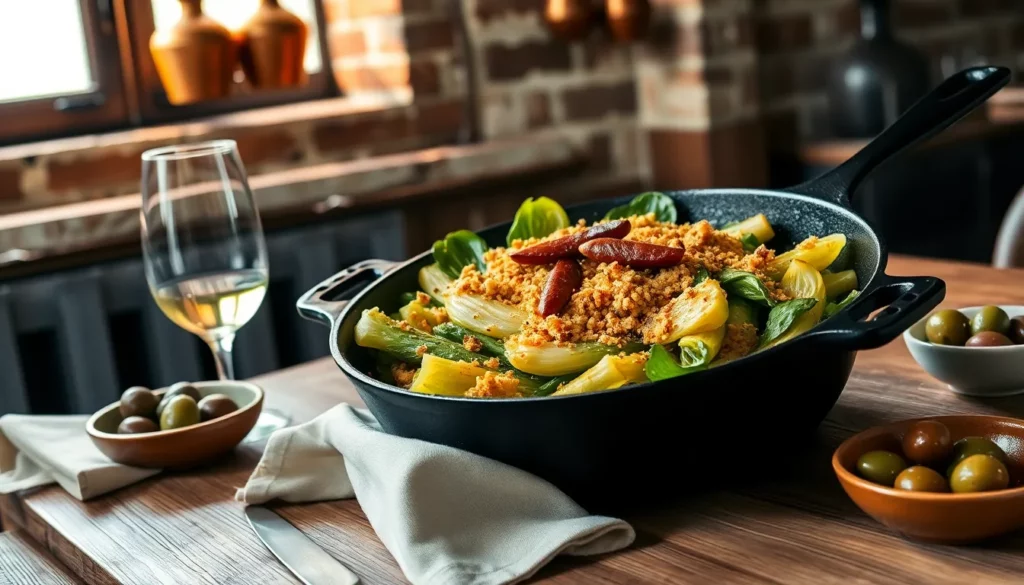
Indiviola is a traditional Italian contorno (side dish) originating from the Veneto region, made primarily from curly endive (indivia riccia), anchovies, garlic, olive oil, and toasted breadcrumbs. The endive is first blanched to reduce bitterness, then sautéed or baked with the other ingredients until tender and aromatic. The dish is characterized by its savory, umami-rich flavor from the anchovies, balanced by the slight bitterness of the endive and the crunchy texture of breadcrumbs. Indiviola is often served alongside roasted meats or fish, or as part of an antipasto spread. It is a classic example of cucina povera (peasant cooking), where humble ingredients are elevated through simple techniques.
Origin & History
Indiviola has its roots in the rural kitchens of the Veneto, particularly in the provinces of Treviso, Vicenza, and Padua. The dish likely emerged in the late 19th or early 20th century, when endive was a common winter vegetable in the region. The use of anchovies reflects the historical trade routes from the nearby Adriatic coast, where salted anchovies were a staple preserved food. Unlike many Italian dishes that have documented royal or monastic origins, Indiviola is a true folk creation, passed down orally through generations. A local anecdote tells of farmers in the Po Valley who would prepare Indiviola after the autumn harvest, using the last of the garden endive and a precious tin of anchovies saved for special occasions. The dish was also popular among Venetian fishermen, who would pair it with grilled fish. Over time, Indiviola spread to neighboring regions, adapting to local ingredients.
What’s In It
The core ingredients of Indiviola are simple and few: curly endive (or sometimes escarole), salted anchovies (or anchovy paste), garlic, extra-virgin olive oil, breadcrumbs (preferably homemade from stale bread), and optionally a pinch of red pepper flakes. The preparation involves washing the endive thoroughly, blanching it in salted boiling water for 2–3 minutes to soften and reduce bitterness, then draining and squeezing out excess water. In a pan, garlic and anchovies are gently sautéed in olive oil until the anchovies dissolve into a paste. The endive is added and cooked until wilted and coated. Finally, breadcrumbs are sprinkled on top and the dish is either finished in the oven (gratin style) or simply tossed until the breadcrumbs toast. Some variations add a splash of white wine or a squeeze of lemon. Indiviola is distinct from similar dishes like scarola in padella (sautéed escarole) because of the prominent anchovy and breadcrumb topping, and from indivia belga gratinata (gratinéed Belgian endive) which uses béchamel and cheese.
Regional Variations
While Indiviola is quintessentially Venetian, neighboring regions have put their own spin on the dish. The table below highlights key differences:
| Region | Key Ingredients | Preparation Style | Typical Pairing |
|---|---|---|---|
| Veneto (original) | Curly endive, anchovies, garlic, breadcrumbs, olive oil | Blanched then sautéed or baked with breadcrumb topping | Grilled fish, polenta, roasted pork |
| Lombardy | Escarole or Belgian endive, pancetta, butter, Parmigiano-Reggiano | Sautéed in butter with pancetta, then gratinéed with cheese and breadcrumbs | Ossobuco, braised meats |
| Lazio | Curly endive, guanciale, pecorino, pine nuts, raisins | Sautéed with guanciale, then baked with cheese, nuts, and raisins (sweet-savory) | Roasted lamb, porchetta |
| Sicily | Wild endive (catalogna), anchovies, olives, capers, breadcrumbs | Blanched then baked with a topping of anchovies, olives, capers, and breadcrumbs | Grilled swordfish, pasta con le sarde |
These variations demonstrate how Indiviola adapts to local larders while retaining its core identity as a savory, bitter-green side dish.
How It’s Traditionally Eaten
Indiviola is served as a contorno (side dish) in the Italian meal structure, typically accompanying a secondo (main course) of meat or fish. It is not a primo (pasta or soup) nor a secondo itself. In Venetian homes, it is often presented alongside grilled sardines or baccalà mantecato (creamed cod). It can also be part of an antipasto misto, served at room temperature. Indiviola is an everyday dish, especially during the winter months when endive is in season, but it also appears on holiday tables, particularly on Christmas Eve (Feast of the Seven Fishes) as a vegetable accompaniment. The dish is best enjoyed warm or at room temperature, allowing the flavors to meld. A glass of crisp Pinot Grigio or a light Soave pairs beautifully.
Common Mistakes / What It’s Not
Many American-Italian adaptations mistakenly treat Indiviola as a salad, serving it raw with anchovy dressing. Authentic Indiviola is always cooked, either sautéed or baked. Another common error is substituting Belgian endive for curly endive; while possible, the flavor and texture differ significantly—Belgian endive is milder and more delicate, while curly endive provides the necessary bitterness. Indiviola is not a pasta dish, nor is it a soup. It is also not the same as indivia belga gratinata, which uses béchamel and cheese. Some recipes add too much breadcrumb, turning it into a dry casserole; the breadcrumb should be a light, crunchy topping, not a thick layer. Finally, do not skip the blanching step—raw endive is too bitter and tough for this dish.
Where to Try It / What to Order
To experience authentic Indiviola, head to the Veneto region. In Venice, try Osteria alle Testiere or Trattoria da Fiore, where it is often served as a contorno with grilled fish. In Treviso, Antica Trattoria Ballotta offers a traditional version. For a more rustic setting, visit Agriturismo Al Sasso in the hills of Valdobbiadene. If you are traveling outside Veneto, look for restaurants that specialize in cucina veneta. When ordering, ask for Indiviola con acciughe e pangrattato (with anchovies and breadcrumbs) to ensure you get the classic preparation. It is often listed under contorni on the menu. For home cooks, seek out curly endive at farmers’ markets or Italian grocers; the dish is simple to replicate with quality ingredients.
Related Dishes
FAQ
What is Indiviola?
Indiviola is a traditional Venetian side dish made from curly endive, anchovies, garlic, and breadcrumbs. The endive is blanched to reduce bitterness, then sautéed or baked with the other ingredients until tender and flavorful.
How is Indiviola different from other endive dishes?
Unlike Belgian endive gratin (which uses béchamel and cheese) or simple sautéed escarole, Indiviola relies on anchovies for umami and a crunchy breadcrumb topping. It is always cooked, never served raw as a salad.
Can I make Indiviola vegan?
Yes, you can substitute anchovies with capers or a splash of soy sauce for umami, and use vegan breadcrumbs. However, the traditional flavor profile is built around anchovies, so the result will be different.
What wine pairs well with Indiviola?
A crisp, dry white wine like Pinot Grigio, Soave, or a Vermentino complements the bitterness of the endive and the saltiness of anchovies.
Is Indiviola served hot or cold?
Indiviola is traditionally served warm or at room temperature. It can be made ahead and reheated gently, but it is best enjoyed freshly cooked.
Leave a Reply