Short Answer
What Is Coppia ferrarese? Italian Bread Explained
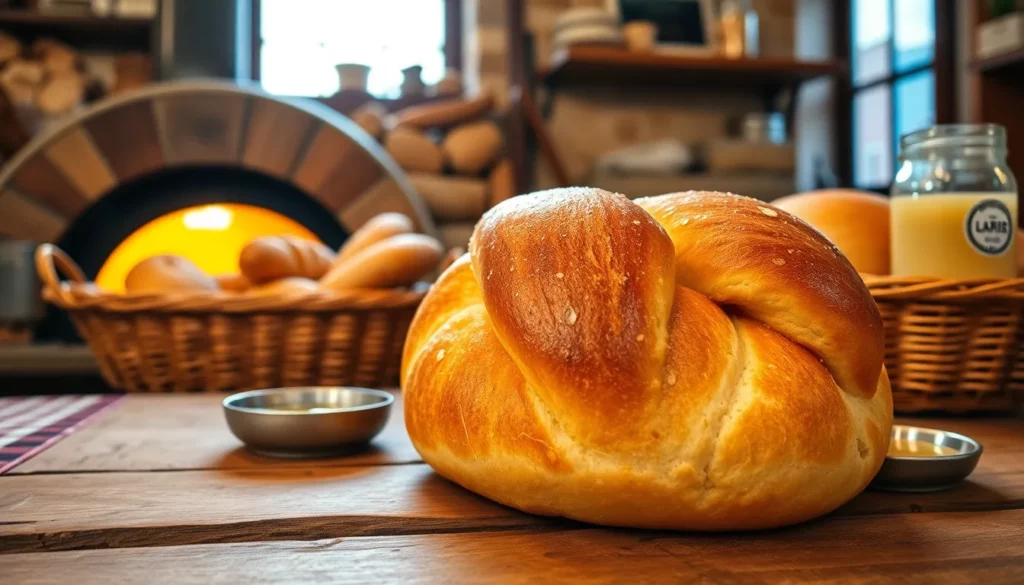
Coppia ferrarese (also known as ciupèta in local dialect) is a traditional Italian bread from the city of Ferrara in the Emilia-Romagna region. It is characterized by its distinctive twisted shape—two strands of dough rolled together and then folded into a knot or a figure-eight, resulting in a crisp, golden crust and a soft, airy crumb. The bread is made with wheat flour, water, yeast, lard (or olive oil), and malt, giving it a slightly sweet and savory flavor. Since 2001, Coppia ferrarese has been protected under the European Union’s Indicazione Geografica Protetta (IGP) status, ensuring that only bread produced in the province of Ferrara according to strict specifications can bear the name.
Origin & History
The origins of Coppia ferrarese date back to the Renaissance, specifically to the 16th century under the rule of the Este family, who were great patrons of the arts and cuisine. Historical documents from the Este court mention a bread called pane intrecciato (braided bread) that was served at banquets. However, the modern Coppia ferrarese as we know it—with its characteristic twist and use of lard—emerged in the 19th century. According to local lore, bakers in Ferrara created the shape to make the bread easier to hang and store, as the twisted form allowed it to be suspended from hooks. The addition of lard (strutto) was a practical choice: it kept the bread soft longer and added richness. Unlike many Italian breads that are crusty and dry, Coppia ferrarese remains tender for days. The bread was traditionally baked in wood-fired ovens, and its production was regulated by the bakers’ guild. Today, the IGP consortium oversees its authenticity, requiring that the dough be made with soft wheat flour, water, salt, yeast, lard (minimum 8% of flour weight), and malt, and that the bread be shaped by hand or machine into the classic twisted form.
What’s In It
The core ingredients of Coppia ferrarese are simple but specific:
- Wheat flour (type 0 or 00, soft wheat)
- Water
- Yeast (fresh or sourdough starter)
- Lard (strutto) – at least 8% of the flour weight, giving softness and flavor
- Salt
- Malt (barley or wheat malt) – for browning and slight sweetness
Some modern versions substitute olive oil for lard, but traditionalists insist on lard for authenticity. The dough is mixed, allowed to rise, then divided into strips that are twisted and folded into a knot. After a second rise, the bread is baked at high temperature (around 220°C) until golden. The result is a bread with a thin, crackly crust and a soft, slightly chewy interior. Unlike grissini (breadsticks) or focaccia, Coppia ferrarese is a shaped roll meant to be eaten as a table bread, not as a snack or base for toppings.
Regional Variations
While Coppia ferrarese is unique to Ferrara, similar twisted breads exist in other Italian regions. The table below highlights key differences:
| Region | Bread Name | Shape | Key Ingredients | Texture |
|---|---|---|---|---|
| Emilia-Romagna (Ferrara) | Coppia ferrarese | Twisted knot or figure-eight | Flour, lard, malt | Crisp crust, soft crumb |
| Lombardy (Milan) | Michetta | Round with a hollow center | Flour, water, yeast, no fat | Very crisp, airy |
| Puglia (Altamura) | Pane di Altamura | Large round loaf | Durum wheat semolina, sourdough | Dense, chewy, long shelf life |
| Sicily (Palermo) | Vastedda | Flat, round, often topped with sesame | Flour, water, yeast, olive oil | Soft, slightly oily |
Coppia ferrarese stands out for its use of lard and malt, which are uncommon in other Italian breads. The shape is also distinctive: while treccia (braided bread) exists elsewhere, the tight twist of Coppia ferrarese is unique to Ferrara.
How It’s Traditionally Eaten
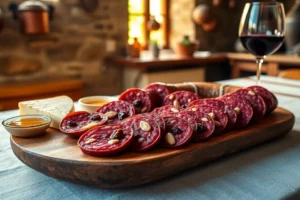
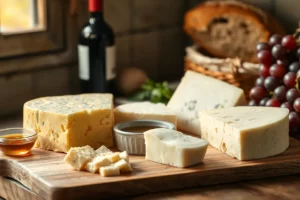
Coppia ferrarese is a table bread (pane da tavola) served alongside meals, not as a standalone dish. It is typically eaten at lunch or dinner, accompanying primi (pasta or soup) and secondi (meat or fish). In Ferrara, it is often paired with local cured meats like salama da sugo (a large, spiced pork sausage) or with soft cheeses such as squacquerone. The bread’s slight sweetness from malt complements the saltiness of prosciutto or the richness of cotechino. It is also used to make panini (sandwiches) or simply dipped in olive oil and balsamic vinegar. On festive occasions, Coppia ferrarese is sometimes served as part of an antipasto platter. Because it stays fresh for several days, it was historically a staple for farmers and workers. Today, it is enjoyed daily in Ferrara and is a must-try for visitors.
Common Mistakes / What It’s Not
Many people confuse Coppia ferrarese with other Italian breads or misinterpret its role. Here are common misconceptions:
- It is not a sweet bread. Despite the malt, the bread is savory; the malt is for browning and a hint of sweetness, not for dessert.
- It is not a breadstick (grissino). Grissini are long, thin, and crunchy; Coppia ferrarese is a soft roll with a crust.
- It is not a pizza or focaccia. It is not topped with anything; it is a plain bread meant to accompany food.
- It is not a modern invention. Its roots go back centuries, and the IGP status protects its traditional method.
- It is not the same as ‘coppia’ from other regions. The word ‘coppia’ means ‘pair’ in Italian, but only Ferrara’s version has IGP protection.
To experience it authentically, avoid versions made with olive oil instead of lard, or those that are overly fluffy like sandwich bread. True Coppia ferrarese has a distinct twist and a slightly firm crumb.
Where to Try It / What to Order
The best place to try authentic Coppia ferrarese is in Ferrara itself. Look for bakeries (panifici) that display the IGP logo. Recommended spots include:
- Panificio Pavan – a historic bakery in central Ferrara known for traditional methods.
- Antica Pasticceria Castagno – offers Coppia ferrarese alongside local pastries.
- Mercato Centrale di Ferrara – several stalls sell fresh bread daily.
When ordering, ask for una coppia ferrarese (singular) or due coppie. It is often sold by weight. Pair it with salama da sugo or squacquerone for a true local experience. If you cannot visit Ferrara, some Italian specialty shops abroad carry IGP-certified versions, but check the label.
Related Dishes
FAQ
What is the difference between Coppia ferrarese and other Italian breads?
Coppia ferrarese is unique for its twisted knot shape, use of lard and malt, and IGP protection. Unlike grissini or focaccia, it is a soft table bread meant to accompany meals, not a snack or base.
Can I make Coppia ferrarese at home?
Yes, but achieving the authentic texture and shape requires practice. Use soft wheat flour, lard (at least 8% of flour weight), and malt. The dough should be kneaded well, shaped into a twist, and baked at high heat. For IGP authenticity, the bread must be made in Ferrara, but home bakers can approximate it.
Is Coppia ferrarese gluten-free?
No, traditional Coppia ferrarese is made with wheat flour and contains gluten. There are no official gluten-free versions, as the IGP specification requires wheat flour.
What does 'coppia' mean in Italian?
'Coppia' means 'pair' or 'couple,' referring to the two strands of dough twisted together to form the bread.
How long does Coppia ferrarese stay fresh?
Thanks to the lard, it stays soft for 3-4 days when stored in a bread box. It can also be frozen for up to a month.
Leave a Reply