
Short Answer
What Is Biroldo? Italian Blood Sausage Explained
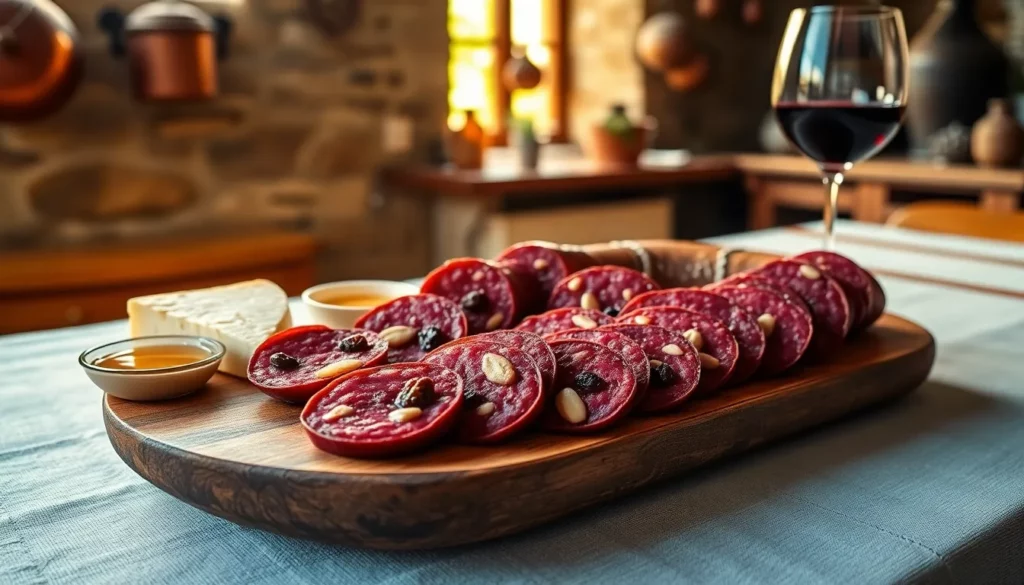
Biroldo is a traditional Italian blood sausage originating from the Garfagnana region of Tuscany, specifically the province of Lucca. It is a rustic, slow-cooked sausage made from fresh pork blood, pork fat, and a distinctive combination of sweet and savory ingredients such as raisins, pine nuts, walnuts, orange zest, and spices like cinnamon, cloves, and nutmeg. Unlike many other blood sausages that are simply boiled or grilled, Biroldo is often cooked in a broth or baked, then sliced and served cold or warm. Its flavor profile is uniquely balanced—earthy and rich from the blood, with bursts of sweetness from dried fruit and a warm spice finish. Biroldo is typically eaten as a secondo (main course) or as part of an antipasto platter, and it is especially popular during the winter months and around Christmas.
Origin & History
Biroldo has deep roots in the peasant cuisine of the Garfagnana, a mountainous area in northwestern Tuscany. Its origins date back to at least the Middle Ages, when nothing from a pig slaughter was wasted. The sausage was a way to preserve blood and offal, using readily available local ingredients like chestnuts, walnuts, and wild herbs. Historical records from the 16th century mention similar blood sausages in the region, but the specific name “Biroldo” appears in 19th-century cookbooks. Unlike the more famous Italian blood sausage sanguinaccio (which is often sweet and eaten as a dessert in some regions), Biroldo is firmly savory, though its sweet additions set it apart from other Tuscan salumi. A local legend claims that Biroldo was created by shepherds who needed a portable, high-energy food that could be preserved without refrigeration. Today, it is a Protected Traditional Agri-food Product (PAT) of Tuscany, recognized for its cultural and gastronomic significance.
What’s In It
The core ingredients of Biroldo are simple but carefully balanced:
- Pork blood – fresh, collected at slaughter, and used within hours to prevent spoilage.
- Pork fat – usually from the back or belly, diced finely.
- Raisins – often sultanas or golden raisins, soaked to plumpness.
- Pine nuts – add a buttery crunch.
- Walnuts – chopped, for earthy depth.
- Orange zest – fresh, for brightness.
- Spices – cinnamon, cloves, nutmeg, and sometimes black pepper.
- Salt – essential for preservation and flavor.
- Natural casing – typically pork intestine, though some modern versions use synthetic.
Preparation involves mixing the blood with the fat and other ingredients, stuffing into casings, and then cooking slowly in water or broth (sometimes with red wine) for about an hour. The sausage is then cooled and can be sliced. Unlike sanguinaccio dolce (a sweet blood pudding with chocolate and milk), Biroldo is not a dessert; it is a savory sausage with sweet accents. It also differs from buristo (a Tuscan blood sausage without sweeteners) and salsiccia di sangue (a simpler blood sausage from other regions).
Regional Variations
While Biroldo is most closely associated with Garfagnana, similar blood sausages exist across Italy. Here is a comparison of three major regional versions:
| Region | Name | Key Differences |
|---|---|---|
| Tuscany (Garfagnana) | Biroldo | Includes raisins, pine nuts, walnuts, orange zest, cinnamon, cloves. Cooked in broth. Served cold or warm. |
| Lombardy | Biroldo (or Biroldo della Val Camonica) | Similar but often includes grated cheese (Parmigiano) and less sweet spices. Sometimes smoked. |
| Piedmont | Biroldo (or Sanguinaccio piemontese) | Uses blood, lard, and often includes cooked apples or pears. Spiced with nutmeg and cinnamon. Served warm as a main dish. |
| Emilia-Romagna | Biroldo (or Sanguinaccio emiliano) | Contains blood, fat, and sometimes cooked rice or breadcrumbs. Less sweet, more savory. Often grilled. |
Outside Italy, similar sausages include Spanish morcilla (often with rice) and French boudin noir (usually with apple). Biroldo’s defining feature is the combination of dried fruit and warm spices, which gives it a unique sweet-savory balance.
How It’s Traditionally Eaten
Biroldo is versatile in its serving. Traditionally, it is eaten as a secondo piatto (main course) or as part of an antipasto platter with other cured meats and cheeses. It can be served cold, sliced thinly, or warm after being gently reheated in its cooking liquid or pan-fried. Common accompaniments include:
- Polenta – soft or grilled, to balance the richness.
- Stewed greens – like cavolo nero or spinach.
- Roasted potatoes or chestnuts.
- A drizzle of extra-virgin olive oil and a sprinkle of black pepper.
Biroldo is especially popular during the Christmas season and at sagra (food festivals) in Garfagnana. It is also eaten on Saint Martin’s Day (November 11), when the new wine is tasted and pork products are traditionally prepared. It is not typically served as a pasta sauce or in sandwiches, though some modern interpretations use it in ragù or as a pizza topping.
Common Mistakes / What It’s Not
Many American-Italian misconceptions surround Biroldo. Here are clarifications:
- It is not a dessert. Unlike sanguinaccio dolce (a sweet chocolate-blood pudding), Biroldo is savory, even with sweet ingredients.
- It is not a raw sausage. Biroldo is always cooked before eating, either by boiling or baking. It is not a fresh sausage like salsiccia.
- It is not the same as black pudding. British black pudding often includes oatmeal or barley; Biroldo uses nuts and dried fruit.
- It is not a common supermarket item. Biroldo is artisanal, found in specialty shops or directly from producers in Tuscany. It is rarely exported.
- It is not a pasta filling. While some might use it in ravioli, that is a modern invention, not traditional.
To avoid confusion, always look for the PAT certification or ask for Biroldo della Garfagnana.
Where to Try It / What to Order
To experience authentic Biroldo, travel to the Garfagnana region in Tuscany. Key locations include:
- Castelnuovo di Garfagnana – the main town, with several salumerie and restaurants serving local specialties.
- Barga – a medieval hill town known for its food festivals.
- Fiera di San Martino (November) – a traditional fair in the region where Biroldo is featured.
- Osteria del Borgo in Castelnuovo – a restaurant that prides itself on traditional Garfagnana cuisine.
When ordering, ask for Biroldo della Garfagnana and specify if you want it cold (affettato) or warm (riscaldato). Pair it with a local red wine like Colline Lucchesi or a robust Sangiovese. If you cannot travel, some Italian specialty online stores ship Biroldo, but check for proper refrigeration.
Related Dishes
FAQ
What is Biroldo made of?
Biroldo is made from fresh pork blood, pork fat, raisins, pine nuts, walnuts, orange zest, and spices like cinnamon, cloves, and nutmeg. It is stuffed into natural casings and cooked.
How is Biroldo different from other blood sausages?
Unlike many blood sausages that are purely savory, Biroldo includes sweet dried fruit and warm spices, giving it a unique sweet-savory profile. It is also cooked in broth rather than grilled or fried.
Where can I buy authentic Biroldo?
Authentic Biroldo is best found in the Garfagnana region of Tuscany, at local salumerie or during food festivals. Some Italian specialty online stores may ship it, but it is rarely exported fresh.
Can Biroldo be eaten raw?
No, Biroldo is always cooked before consumption. It is boiled or baked during production and then cooled. It can be eaten cold or reheated.
Is Biroldo gluten-free?
Traditional Biroldo does not contain gluten, as it uses no grains. However, always check labels for any added fillers if buying commercially.
Leave a Reply