
Short Answer
What Is Fragolino? Italian Sparkling Red Wine Explained
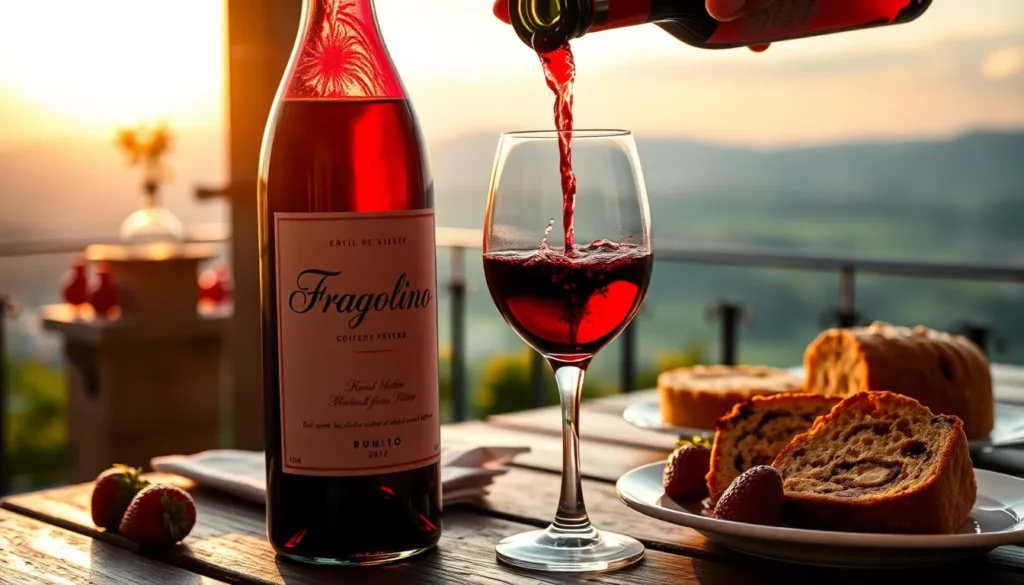
Fragolino is a sweet, lightly sparkling (frizzante) red wine from northeastern Italy, most notably the regions of Veneto and Friuli-Venezia Giulia. Its name derives from the Italian word fragola (strawberry), reflecting its pronounced strawberry-like aroma and flavor. The wine is made primarily from the Fragola grape, a hybrid of Vitis labrusca and Vitis vinifera, which imparts a distinctive foxy character often described as grapey or wild strawberry. Fragolino is typically low in alcohol (5–8% ABV) and served chilled as an aperitivo or with light desserts. Due to EU regulations that restrict the commercial production of hybrid grapes, authentic Fragolino is now rare and often produced in small quantities for local consumption or as a non-alcoholic version.
Origin & History
Fragolino’s roots trace back to the late 19th century in the Veneto and Friuli regions, where the Fragola grape was introduced from North America. The grape is a cross between Vitis labrusca (native to the Americas) and Vitis vinifera (the European wine grape). Italian farmers appreciated its hardiness and resistance to phylloxera, a pest that devastated European vineyards in the 1800s. By the early 20th century, Fragolino became a popular homemade wine, especially in rural areas, valued for its sweet taste and low alcohol content.
However, in the 1980s, the European Union banned the commercial production of wine from hybrid grapes (including Fragola) for sale within the EU, citing concerns over quality and the potential for off-flavors. This regulation effectively outlawed the mass production of Fragolino, though small-scale artisanal production continued under the radar. Today, authentic Fragolino is a niche product, often sold directly from small vineyards or as a non-alcoholic beverage (sometimes labeled Fragolino Analcolico). The wine’s history is intertwined with the cultural identity of northeastern Italy, where it remains a nostalgic symbol of family gatherings and local tradition.
What’s In It
Fragolino is made from the Fragola grape, a hybrid that combines the aromatic intensity of Vitis labrusca with the structure of Vitis vinifera. The grapes are harvested in late summer and undergo a short maceration to extract color and flavor. The wine is then fermented to retain natural sweetness, often with residual sugar levels of 30–50 g/L. Carbonation is achieved through the metodo ancestrale (ancestral method) or by adding carbon dioxide for a frizzante style.
Key characteristics include:
- Aroma: Intense strawberry, wild berry, and grape candy notes.
- Palate: Sweet, low tannin, light body, with a slight spritz.
- Alcohol: Typically 5–8% ABV.
- Serving temperature: 6–8°C (43–46°F).
Fragolino is often confused with Lambrusco, another Italian sparkling red wine, but Lambrusco is made from the Lambrusco grape (a Vitis vinifera variety) and is generally drier and more tannic. Fragolino’s sweetness and strawberry character set it apart.
Regional Variations
While Fragolino is most associated with Veneto and Friuli, small variations exist across northeastern Italy. The table below highlights key differences:
| Region | Style | Production Notes |
|---|---|---|
| Veneto (e.g., Treviso, Vicenza) | Sweet, frizzante, often homemade | Uses Fragola grapes grown on the plains; traditional metodo ancestrale for carbonation. |
| Friuli-Venezia Giulia | Slightly drier, more aromatic | Grapes from hillside vineyards; sometimes blended with a small amount of Refosco for color. |
| Trentino-Alto Adige | Rare, often non-alcoholic | Production is minimal; some producers make a Fragolino Analcolico by dealcoholizing the wine. |
Outside Italy, imitations exist using artificial strawberry flavoring, but these lack the authentic grape-derived aroma.
How It’s Traditionally Eaten
Fragolino is not a meal wine but rather a vino da meditazione or aperitivo. It is typically served chilled in small glasses as a welcome drink or alongside light desserts. Traditional pairings include:
- Fresh fruit salads or strawberries with balsamic vinegar.
- Panettone or pandoro during the Christmas season.
- Soft cheeses like Mascarpone or fresh ricotta.
- Simple pastries such as crostate (jam tarts).
In its home regions, Fragolino is often enjoyed during festive occasions like weddings, harvest festivals, and family Sunday lunches. It is rarely consumed with savory main courses due to its sweetness.
Common Mistakes / What It’s Not
Many misconceptions surround Fragolino, especially outside Italy. Here are clarifications:
- It is not a strawberry wine. The strawberry flavor comes from the grape, not added fruit.
- It is not a Lambrusco. Lambrusco is a different grape and style; Fragolino is sweeter and less tannic.
- It is not a cheap, mass-produced wine. Authentic Fragolino is artisanal and often hard to find due to EU restrictions.
- It is not a wine for aging. Fragolino is meant to be consumed young, within 1–2 years of bottling.
- It is not a wine for cooking. Its sweetness and low alcohol make it unsuitable for savory dishes.
Travelers should be wary of “Fragolino” sold in tourist shops that may be artificially flavored. Look for labels indicating Fragola grape or Vino Frizzante from small producers.
Where to Try It / What to Order
To experience authentic Fragolino, visit the Veneto or Friuli regions. Seek out:
- Osterias and agriturismi in the hills of Treviso or Collio, where homemade versions are often served.
- Local wine festivals such as the Sagra dell’Uva in Conegliano or Festa del Vino in Cormons.
- Specialty wine shops in cities like Venice or Udine that stock artisanal bottles.
When ordering, ask for “un bicchiere di Fragolino frizzante” or “Fragolino analcolico” if you prefer non-alcoholic. Be prepared to pay a premium for the authentic product (€15–25 per bottle).
Related Dishes
FAQ
Is Fragolino a wine?
Yes, Fragolino is a sweet, lightly sparkling red wine made from the Fragola grape. However, due to EU regulations, its commercial production is restricted, and authentic versions are rare.
Is Fragolino sweet?
Yes, Fragolino is notably sweet, with residual sugar levels typically between 30–50 g/L. Its sweetness is balanced by low tannins and a light spritz.
Can you get Fragolino outside Italy?
Authentic Fragolino is difficult to find outside Italy due to EU export restrictions on hybrid grape wines. Some non-alcoholic versions or imitations may be available, but they lack the true grape-derived flavor.
What does Fragolino taste like?
Fragolino has an intense strawberry and wild berry aroma, with a sweet, grapey flavor and a light, refreshing fizz. It is often described as tasting like strawberry candy or fruit juice.
How should Fragolino be served?
Serve Fragolino well chilled (6–8°C) in small wine glasses or tumblers. It is best as an aperitivo or with light desserts.
Leave a Reply