
Short Answer
What Is Agrumi? Italian Citrus Fruits Explained
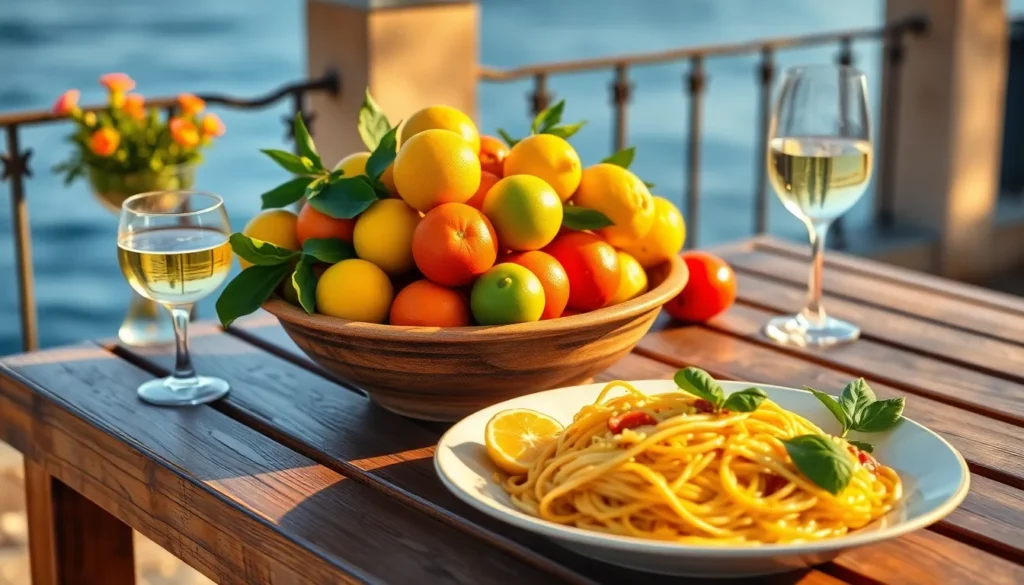
Agrumi (pronounced ah-GROO-mee) is the Italian word for citrus fruits, encompassing a wide range of species and hybrids cultivated across the Italian peninsula, especially in the southern regions and islands. While the term literally means “sour fruits,” it refers to the entire family of citrus—lemons, oranges, mandarins, grapefruits, citrons, bergamots, and more. In Italian cuisine, agrumi are not merely garnishes or flavorings; they are foundational ingredients that provide acidity, aroma, and brightness to both savory and sweet dishes. The most iconic agrumi include the limone di Sorrento (Sorrento lemon), arancia rossa di Sicilia (Sicilian blood orange), and cedro (citron), each with a protected geographical status and a story that stretches back centuries.
Origin & History
Citrus fruits are not native to Italy; they originated in Southeast Asia and were gradually introduced to the Mediterranean through trade routes. The first citrus to arrive was the citron (Citrus medica), brought by the ancient Greeks or possibly earlier by Phoenicians. By the Roman era, citrons were cultivated in the Bay of Naples and used for medicinal and aromatic purposes. Lemons and sour oranges arrived later, likely through Arab traders in Sicily during the 9th and 10th centuries. The Arabs introduced advanced irrigation techniques and terraced farming, which allowed citrus to flourish on the island. By the Middle Ages, citrus cultivation had spread to the Amalfi Coast, Liguria, and Tuscany. The sweet orange (Citrus sinensis) was introduced by Portuguese explorers in the 15th century and quickly became a status symbol among the wealthy. Today, Italy is one of Europe’s leading citrus producers, with Sicily alone accounting for over 60% of national production. The unique microclimates and volcanic soils of Mount Etna and the Sorrento Peninsula give Italian agrumi their distinctive flavor profiles, celebrated in Slow Food presidia and PDO/PGI designations.
What’s In It: Core Varieties and Characteristics
Agrumi encompass dozens of varieties, but a few stand out in Italian cuisine:
- Limone (Lemon) – The most versatile citrus. Key types: Femminello (Sicily), Ovale di Sorrento (Campania), and Verdello (Liguria). Used in everything from limoncello to spaghetti al limone.
- Arancia (Orange) – Both sweet and bitter. Sweet oranges include Navel and Valencia; blood oranges (Tarocco, Moro, Sanguinello) are prized for their anthocyanin-rich red flesh. Bitter oranges (Melangolo) are used for marmalade and in arancini.
- Mandarino (Mandarin) – Smaller, sweeter, and easier to peel. The Clementine and Tangerine are common; the Avana variety from Sicily is particularly aromatic.
- Cedro (Citron) – A large, thick-skinned fruit with minimal pulp. The Diamante citron from Calabria is a PDO product, used in candied form for panettone and other desserts.
- Bergamotto (Bergamot) – A fragrant hybrid grown almost exclusively in Calabria. Its essential oil is a key component of Earl Grey tea and perfumes; the juice is used in bergamot liqueur and desserts.
- Pompelmo (Grapefruit) – Less common in traditional Italian cooking but increasingly used in modern salads and cocktails.
Unlike many other cuisines, Italian agrumi are often used with their zest and pith, not just the juice. The peel contains essential oils that add depth to dishes. Agrumi are also preserved whole or in slices (e.g., limoni di Sorrento sotto sale – salt-preserved lemons) to extend their use beyond the harvest season.
Regional Variations
Italy’s diverse geography gives rise to distinct citrus traditions. Below is a comparison of three major regions:
| Region | Key Citrus | Typical Uses | Notable Product |
|---|---|---|---|
| Sicily | Blood oranges, lemons, mandarins | Fresh juice, granita, salads, arancini, cannoli filling | Arancia Rossa di Sicilia PGI |
| Campania (Amalfi/Sorrento) | Sorrento lemons, citrons | Limoncello, pasta al limone, seafood marinades, candied peel | Limone di Sorrento PGI |
| Calabria | Bergamot, citrons, clementines | Essential oils, liqueurs, candied fruit, desserts | Bergamotto di Reggio Calabria PDO |
In Liguria, the Limone di Monterosso is a small, fragrant lemon used in pesto and focaccia. In Sardinia, the Arancia di Sardegna is a sweet orange with a thin skin, often eaten fresh. Each region’s citrus reflects its soil, climate, and culinary history.
How It’s Traditionally Eaten
Agrumi appear across the entire Italian meal structure:
- Antipasto – Citrus segments served with fennel, olives, and anchovies; or a simple insalata di arance (orange salad) with red onion and mint.
- Primo – Lemon zest and juice in pasta dishes like spaghetti al limone or risotto al limone; orange zest in risotto all’arancia.
- Secondo – Citrus marinades for fish (e.g., pesce spada all’agrumi) or chicken; lemon slices roasted with vegetables.
- Contorno – Grilled radicchio with orange vinaigrette; lemon-dressed greens.
- Dolce – Granita al limone, cannoli with candied orange peel, panettone with citron, limoncello as a digestif.
Agrumi are also central to festive occasions: Panettone and pandoro at Christmas rely on candied citrus; zeppole di San Giuseppe often include lemon zest; and colomba pasquale (Easter dove cake) is studded with candied orange peel. On a daily basis, a squeeze of lemon is the finishing touch on fried fish, grilled vegetables, and even pizza.
Common Mistakes / What It’s Not
Many non-Italian cooks misunderstand agrumi in several ways:
- Mistake: Using only the juice. In Italian cooking, the zest is equally important. The aromatic oils in the peel provide a more complex flavor than juice alone. Always wash citrus thoroughly and use a microplane or zester.
- Mistake: Substituting lime for lemon. Limes are rarely used in traditional Italian cuisine (except in some modern fusion). The acidity of lemons is milder and more floral; limes can be harsh. Stick with Italian lemons or, if unavailable, a good-quality Meyer lemon.
- Mistake: Believing all oranges are sweet. Bitter oranges (melangolo) are essential for authentic Sicilian arancini (the rice balls get their name from the orange shape and color, but the filling often includes bitter orange juice or zest). Also, marmellata di arance amare (bitter orange marmalade) is a classic.
- Mistake: Overcooking citrus. Prolonged heat destroys the delicate volatile compounds. Add citrus zest at the end of cooking, and use juice raw or just warmed.
- What it’s not: Agrumi are not just for desserts. They are a fundamental savory ingredient, providing acidity without vinegar, and pairing beautifully with olive oil, garlic, and herbs.
Where to Try It / What to Order
To experience agrumi at their best, visit the source regions:
- Sicily – Head to Catania’s fish market for a granita al limone with a brioche; try arancini al burro with orange zest; visit a fruttivendolo for fresh blood oranges in season (December–April).
- Amalfi Coast – In Sorrento, order limoncello made from local Ovale di Sorrento lemons; taste spaghetti alle vongole with a squeeze of lemon; take a lemon grove tour in Minori.
- Calabria – In Reggio Calabria, sample liquore al bergamotto; buy candied cedro from Diamante; try gelato al bergamotto.
- Liguria – In Monterosso al Mare, enjoy limoncino (local lemon liqueur) and focaccia al limone.
For ordering in restaurants, ask for “un piatto con agrumi” or look for dishes with “al limone”, “all’arancia”, or “agli agrumi”. In markets, seek out “limoni IGP” or “arance rosse di Sicilia IGP” for guaranteed quality.
Related Dishes
FAQ
What does 'agrumi' mean in Italian?
Agrumi is the Italian word for citrus fruits, including lemons, oranges, mandarins, grapefruits, citrons, and bergamots. The term literally means 'sour fruits' but encompasses all citrus.
Which Italian region is famous for blood oranges?
Sicily is the most famous region for blood oranges, particularly the varieties Tarocco, Moro, and Sanguinello, which are protected under the Arancia Rossa di Sicilia PGI designation.
How are agrumi used in Italian cooking beyond desserts?
Agrumi are essential in savory dishes: lemon zest and juice are used in pasta, risotto, fish marinades, and salads; orange zest appears in arancini and roasted vegetables; bergamot flavors liqueurs and seafood. They provide acidity and aroma without vinegar.
What is the difference between a lemon and a lime in Italian cuisine?
Limes are not traditional in Italian cooking. Lemons (especially Sorrento or Femminello varieties) are the standard citrus for acidity and flavor. Limes are rarely used except in some modern fusion dishes.
Can I substitute regular oranges for blood oranges in a recipe?
Yes, but the flavor and color will differ. Blood oranges have a distinct berry-like sweetness and deep red hue. For a closer match, use a sweet orange like Navel and add a splash of pomegranate juice for color.




Leave a Reply