
Short Answer
What Is Equino? Italian Horse Meat Dishes Explained
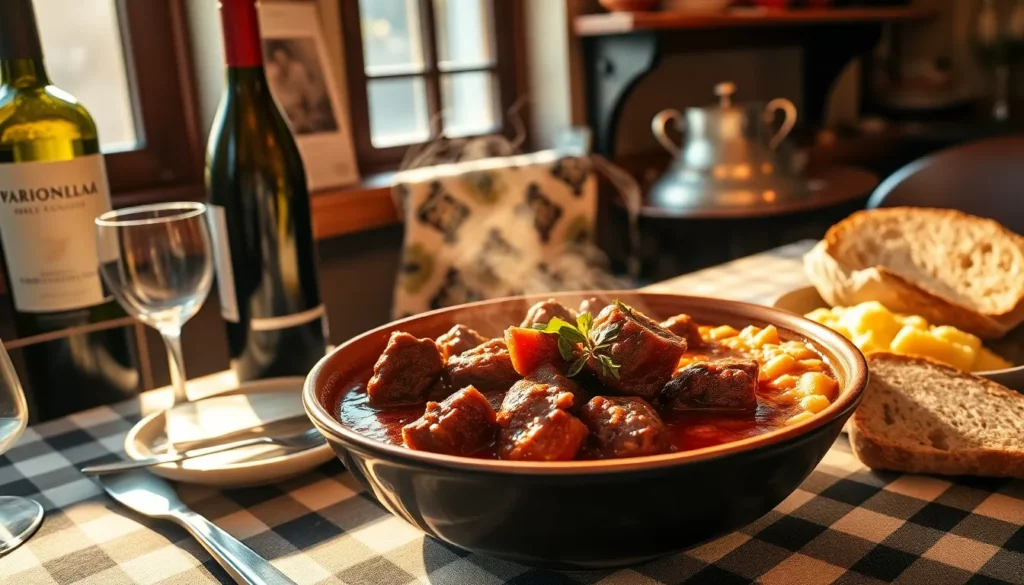
Equino refers to any dish prepared with horse meat (carne di cavallo) in Italian cuisine. While not as widespread as beef or pork, horse meat has a dedicated place in several regional traditions, particularly in northern and southern Italy. The most common preparations include stews (like the Veneto’s pastissada de caval), grilled steaks, and shredded meat (sfilacci). Key ingredients often include red wine, onions, carrots, celery, and aromatic herbs, which help tenderize the lean, slightly sweet meat. Equino is prized for its rich flavor and lower fat content compared to beef.
Origin & History
The consumption of horse meat in Italy dates back to ancient times, with evidence from Roman and Etruscan settlements. However, it became more prominent in the 19th century, especially in the Veneto and Lombardy regions, where horses were abundant and used for work. After their working life, horses were often slaughtered for meat, providing an economical protein source for rural communities. In Sardinia, horse meat has been a staple for centuries, tied to the island’s pastoral traditions. A notable anecdote: during World War II, horse meat gained popularity across Italy due to beef shortages, and it remained a cherished ingredient in many local recipes. Today, it is considered a delicacy in certain areas, with dedicated butcher shops (macellerie equine) and festivals celebrating the tradition.
What’s In It
Core ingredients for a classic Equino stew (e.g., pastissada de caval) include: horse meat (typically from the shoulder or leg), red wine (often Valpolicella or Bardolino), onions, carrots, celery, garlic, bay leaves, juniper berries, cloves, and tomato paste. The meat is marinated overnight in wine and aromatics, then slow-cooked for several hours until fork-tender. Unlike beef stews, Equino requires longer cooking to break down the lean muscle fibers. It is often thickened with a roux or served with polenta. A key differentiation from similar dishes like brasato al barolo (beef braised in Barolo) is the use of horse meat and the specific spice profile (juniper, cloves).
Regional Variations
Equino varies significantly across Italy. Below is a comparison of three major regions:
| Region | Typical Dish | Preparation | Key Characteristics |
|---|---|---|---|
| Veneto | Pastissada de Caval | Slow-braised in red wine with onions, carrots, and spices | Rich, dark sauce; served with polenta; often includes cloves and cinnamon |
| Lombardy | Sfilacci di Cavallo | Horse meat boiled, then shredded and dried; served as a topping or snack | Light, airy texture; eaten with bread or in salads; often flavored with lemon and olive oil |
| Sardinia | Carne di Cavallo alla Griglia | Grilled horse steaks (bistecca di cavallo) seasoned with salt, pepper, and myrtle | Lean, slightly gamey; served rare to medium-rare; accompanied by roasted vegetables |
Other notable variations include cavallo in umido (stewed horse) in Apulia and cavallo al forno (baked horse) in Sicily, often with tomatoes and herbs.
How It’s Traditionally Eaten
Equino is typically served as a secondo piatto (main course) in Italian meals. In Veneto, pastissada de caval is often paired with soft polenta or mashed potatoes, and a full-bodied red wine like Amarone. In Lombardy, sfilacci is eaten as a snack or antipasto, sometimes with a squeeze of lemon. In Sardinia, grilled horse steak is a summer favorite, often accompanied by roasted peppers and a glass of Cannonau wine. Equino is not typically a holiday dish but is enjoyed year-round, especially at family gatherings and local festivals. It is considered a comfort food in regions where it is traditional.
Common Mistakes / What It’s Not
A frequent misconception among non-Italians is that horse meat is only for the poor or is of low quality. In reality, Equino is a delicacy in many Italian regions, with specific breeds and cuts prized for their flavor. Another mistake is confusing Equino with beef dishes; horse meat is leaner, sweeter, and has a finer grain. It is not a substitute for beef in recipes like Bolognese, as the cooking times and flavors differ. Additionally, Equino is not a single dish but a category; ordering “Equino” in a restaurant may require specifying the preparation (e.g., pastissada or grigliata). Travelers should look for macellerie equine or restaurants specializing in cucina di cavallo.
Where to Try It / What to Order
For an authentic experience, visit the following locations:
- Verona, Veneto: Try pastissada de caval at Osteria del Duca or Trattoria Al Pompiere.
- Milan, Lombardy: Sample sfilacci di cavallo at Peck or a local salumeria.
- Cagliari, Sardinia: Order grilled horse steak at Su Cumbidu or Sa Cardiga e Su Schironi.
- Bari, Apulia: Look for cavallo in umido at trattorias in the old town.
When ordering, ask for carne di cavallo and specify the cooking method. Many regions hold annual festivals, such as the Sagra del Cavallo in Verona, where Equino dishes are celebrated.
Related Dishes
FAQ
What is Equino in Italian cuisine?
Equino refers to dishes made with horse meat, a traditional ingredient in several Italian regions, particularly Veneto, Lombardy, and Sardinia. It includes stews, grilled steaks, and shredded meat preparations.
Is Equino the same as beef?
No, Equino is horse meat, which is leaner, sweeter, and has a finer grain than beef. It requires different cooking methods and is not a direct substitute in recipes.
Where can I try authentic Equino in Italy?
You can try Equino in regions like Veneto (pastissada de caval), Lombardy (sfilacci di cavallo), and Sardinia (grilled horse steak). Look for macellerie equine or traditional trattorias in cities like Verona, Milan, and Cagliari.
Is horse meat common in Italy?
Horse meat is not as common as beef or pork, but it has a strong regional presence, especially in northern and southern Italy. It is considered a specialty and is often celebrated at local festivals.
What does Equino taste like?
Horse meat has a slightly sweet, gamey flavor with a tender texture when cooked properly. It is less fatty than beef and absorbs marinades well.

Leave a Reply