Short Answer
What Is Carrozza mozzarella? Italian Street Food Explained
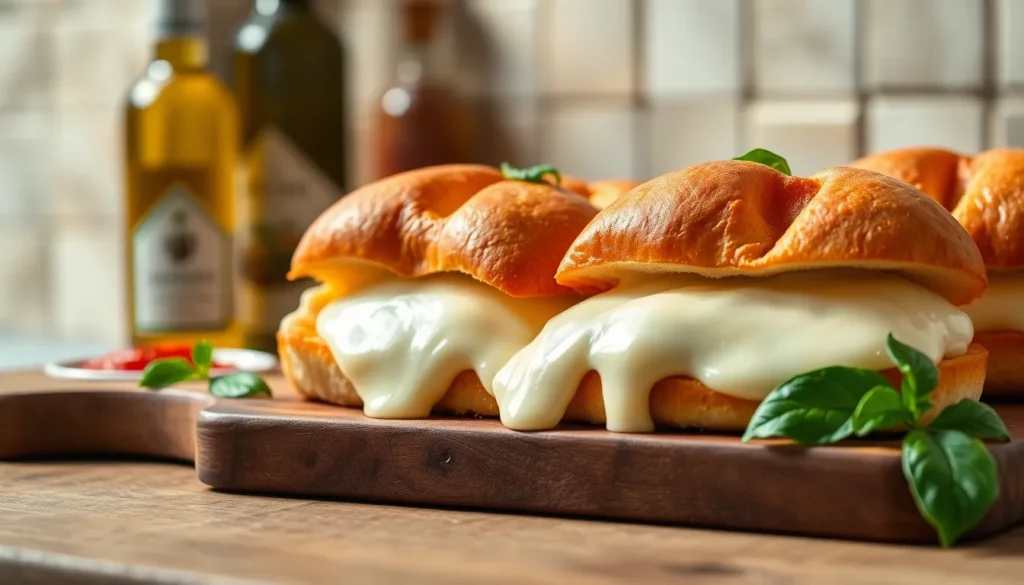
Carrozza mozzarella, more formally known as Mozzarella in Carrozza (Italian for “mozzarella in a carriage”), is a classic fried sandwich from the Campania region of southern Italy, particularly Naples. It consists of two slices of soft white bread (often pane cafone or a similar unsalted loaf) enclosing a thick slice of fresh mozzarella cheese. The assembled sandwich is dipped in beaten egg, sometimes seasoned with salt and pepper, then fried in olive oil or vegetable oil until the bread is crisp and golden and the cheese is melted and stringy. The dish is typically served hot as a street food snack, an appetizer (antipasto), or a light lunch, often accompanied by a simple tomato sauce or a sprinkle of anchovies and capers. Its name derives from the idea of the cheese being “carried” by the bread, like a passenger in a carriage.
Origin & History
The precise origins of Mozzarella in Carrozza (the Neapolitan dialect term) are murky, but it is widely believed to have emerged in the 18th or 19th century in the working-class neighborhoods of Naples. The dish was born from the need to use up stale bread and leftover mozzarella, a staple of the Campanian diet. Historical cookbooks from the Bourbon era mention similar fried bread-and-cheese preparations, but the first documented recipe for Mozzarella in Carrozza appears in Ippolito Cavalcanti’s 1837 cookbook Cucina Teorico-Pratica, which describes a dish of bread slices with provola cheese dipped in egg and fried. Over time, mozzarella became the preferred cheese due to its superior melting qualities and availability. Unlike many myths, there is no evidence linking the dish to any noble court; it is firmly rooted in cucina povera (peasant cooking). The name “carrozza” likely refers to the way the bread “carries” the cheese, though some folk etymologies suggest the golden color resembles a carriage. Today, it remains a cherished symbol of Neapolitan street food culture.
What’s In It
The core ingredients of Carrozza mozzarella are deceptively simple, but quality matters. The essential components are:
- Bread: Traditionally, a soft, unsalted white bread like pane cafone or pane di casa. The bread should be slightly stale so it absorbs the egg without becoming soggy. Slices are cut about 1 cm thick.
- Mozzarella: Fresh mozzarella di bufala campana (buffalo mozzarella) or fior di latte (cow’s milk mozzarella) is used. The cheese is sliced into 1 cm thick pieces, drained well to avoid excess moisture that can cause the bread to become mushy.
- Eggs: Whole eggs are beaten with a pinch of salt and black pepper. Some recipes add a splash of milk or water to thin the mixture.
- Oil for frying: Extra virgin olive oil is traditional for flavor, but many modern versions use a blend with vegetable oil to achieve a higher smoke point.
- Optional additions: Anchovy fillets, capers, or a thin slice of prosciutto are sometimes placed between the bread and cheese for extra savoriness. A light dusting of flour before dipping in egg can create a crispier crust.
This dish is distinct from mozzarella sticks (American-style breaded and deep-fried cheese) or supplì (Roman rice croquettes with mozzarella). The key difference is the use of bread as a structural element, making it a sandwich rather than a pure cheese fritter.
Regional Variations
While Mozzarella in Carrozza is quintessentially Neapolitan, other Italian regions have their own interpretations. The table below highlights key differences:
| Region | Bread Type | Cheese | Coating / Batter | Additional Ingredients | Serving Style |
|---|---|---|---|---|---|
| Campania (Naples) | Pane cafone (unsalted, soft) | Mozzarella di bufala or fior di latte | Egg only (no flour) | Anchovy, capers (optional) | Hot, with tomato sauce or alone |
| Lazio (Rome) | Pane casareccio (rustic sourdough) | Provola or scamorza (smoked) | Egg with a dusting of flour | Sometimes prosciutto cotto | As an antipasto, with arugula |
| Sicily | Mafalde (large, flat bread) | Primo sale (fresh sheep’s milk cheese) | Egg with breadcrumbs | Anchovy paste, oregano | Street food, often with lemon |
| Puglia | Focaccia barese (thick, oily) | Mozzarella or burrata | Egg and semolina flour | Sun-dried tomatoes, olives | As a snack, with a glass of wine |
In Naples, the classic version is minimalist, letting the mozzarella shine. In Rome, the use of smoked cheese adds depth. Sicilian versions often incorporate breadcrumbs for extra crunch, while Puglia’s focaccia base makes it a heartier meal.
How It’s Traditionally Eaten
Mozzarella in Carrozza is typically served as a secondo piatto (main course) in a casual meal or as a spuntino (snack) at any time of day. In Naples, it is a popular street food sold at friggitorie (fried food shops) and during festivals. It is almost always eaten hot, immediately after frying, to enjoy the contrast between the crispy exterior and the molten cheese. Common pairings include a simple salsa di pomodoro (tomato sauce) for dipping, a side of insalata mista (mixed salad), or a glass of crisp white wine like Falanghina or a light red like Gragnano. On special occasions, such as Ferragosto (August 15th), it might be served as part of a larger frittura mista (mixed fry) alongside arancini, zucchini flowers, and fried fish. It is not typically a holiday dish but rather an everyday comfort food.
Common Mistakes / What It’s Not
Many American-Italian adaptations have strayed far from the original. Here are frequent misconceptions:
- It is not a deep-fried cheese stick: Mozzarella in Carrozza is a sandwich, not a breaded cheese stick. The bread is integral; without it, you have a different dish.
- It is not made with pre-shredded or low-moisture mozzarella: Authentic versions require fresh mozzarella that melts into a creamy, stringy texture. Low-moisture mozzarella will not achieve the same result.
- It is not served with marinara sauce as a main dip: While tomato sauce is common, it is usually a light, uncooked salsa cruda or a quick sugo, not a heavy marinara. Many purists eat it plain.
- It is not a breakfast dish: Unlike some fried sandwiches in other cultures, Mozzarella in Carrozza is rarely eaten for breakfast in Italy; it is a lunch or snack item.
- It is not the same as panino con mozzarella: A simple cold mozzarella sandwich is not fried and lacks the egg coating.
To avoid these mistakes, use fresh, high-quality ingredients, drain the mozzarella well, and fry at the right temperature (around 170°C / 340°F) to ensure the bread crisps before the cheese leaks out.
Where to Try It / What to Order
For the most authentic experience, head to Naples. Look for friggitorie in the historic center, such as Friggitoria Vomero or Di Matteo (near Via dei Tribunali). In Rome, try Supplì Roma or Mordi e Vai at the Testaccio Market. In Sicily, street stalls in Palermo’s Ballarò market often sell a version. When ordering, ask for una mozzarella in carrozza, per favore. If you want it with anchovies, say con alici. Expect it to be served hot, wrapped in paper. For a sit-down meal, many trattorias in Campania offer it as an antipasto. If you are outside Italy, seek out Italian delis or restaurants that specialize in Neapolitan cuisine and confirm they use fresh mozzarella and fry to order.
Related Dishes
- Mozzarella Sticks
- Supplì (Roman Rice Croquettes)
- Arancini (Sicilian Rice Balls)
- Panzerotti (Fried Calzones)
- Frittata di Maccheroni (Pasta Frittata)
FAQ
What is Carrozza mozzarella?
Carrozza mozzarella, or Mozzarella in Carrozza, is a Neapolitan fried sandwich made with bread, fresh mozzarella, and egg, fried until golden and crispy.
Where does Mozzarella in Carrozza originate?
It originates from Naples, Campania, Italy, with roots in 18th-19th century cucina povera.
What is the best cheese for Mozzarella in Carrozza?
Fresh mozzarella di bufala campana or fior di latte is best; avoid low-moisture mozzarella.
Can I make Mozzarella in Carrozza ahead of time?
No, it is best eaten immediately after frying to maintain crispness and melted cheese texture.
Is Mozzarella in Carrozza gluten-free?
No, it contains bread and sometimes flour; gluten-free versions can be made with gluten-free bread.

Leave a Reply