Short Answer
What It Is
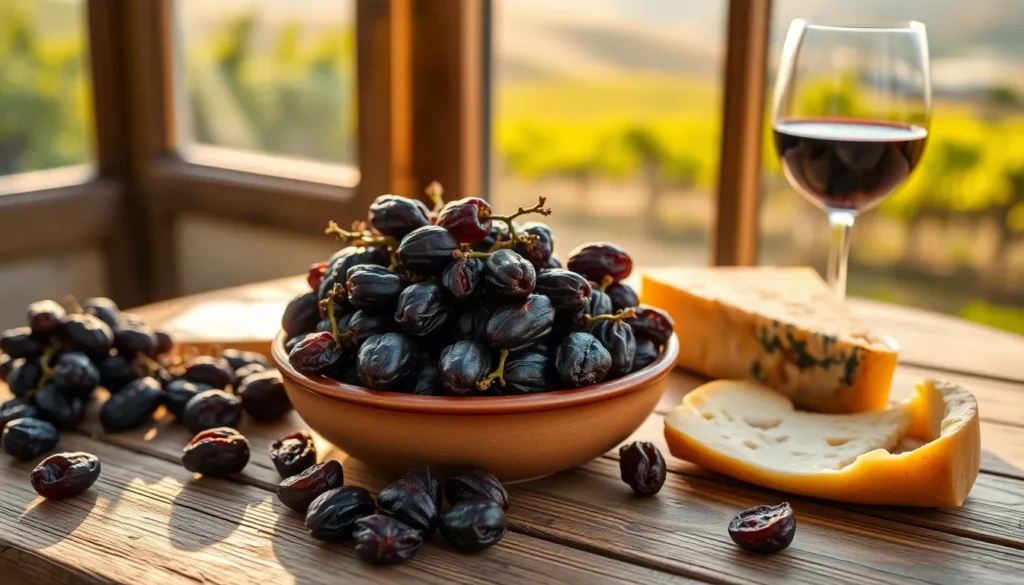
UVA PASSA, the Italian term for dried grapes, represents a centuries-old tradition of preserving the summer harvest through natural dehydration. Unlike mass-produced raisins, Italian UVA PASSA is often crafted from specific grape varieties and follows rigorous production protocols that have earned several varieties protected status under the European Union’s DOP (Denominazione di Origine Protetta) and PGI (Indicazione Geografica Protetta) systems.
The practice of drying grapes in Italy dates back to ancient Roman times, when grapes were laid on rooftops to concentrate their sugars for long storage. The Arab influence in Sicily during the Middle Ages further refined the technique, introducing the Zibibbo grape (Muscat of Alexandria) and the use of ventilated drying rooms. Today, the most renowned example is Uva Passa di Pantelleria DOP, produced on the volcanic island of Pantelleria, south of Sicily. Here, the Zibibbo grape is sun-dried on natural mats called ‘stuoie’ for 20–30 days, concentrating sugars and developing complex aromas of honey, dried apricot, and Mediterranean herbs. The DOP regulation mandates that the grapes must be grown, dried, and processed within the island’s territory, using traditional methods that have been passed down for generations.
Other notable Italian dried grapes include Uva Passa di Noto (Sicily) and Uva Passa di Corinto (Zante currants, though primarily Greek, they are widely used in Italian baking). The production method typically involves harvesting fully ripe grapes, then laying them in single layers under the sun or in well-ventilated rooms. The drying process reduces moisture content from about 80% to 15–20%, resulting in a chewy, intensely sweet product. Some producers also employ a technique called ‘appassimento’, where grapes are hung in bunches to dry slowly, a method also used for Amarone wine.
“L’uva passa è il sole concentrato in un chicco” – “The raisin is the sun concentrated in a grape,” a traditional Sicilian saying.
Types & Grades
Italian UVA PASSA can be classified by grape variety, region, and drying method. The following table outlines the primary types and their characteristics:
| Type | Grape Variety | Region | DOP/PGI | Flavor Profile |
|---|---|---|---|---|
| Uva Passa di Pantelleria | Zibibbo (Muscat of Alexandria) | Pantelleria (Sicily) | DOP | Sweet, floral, honeyed, with notes of orange blossom and spice |
| Uva Passa di Noto | Moscato Bianco, Nero d’Avola | Noto (Sicily) | PGI (proposed) | Rich, dark fruit, less sweet than Pantelleria |
| Uva Passa di Corinto | Corinto nero (Black Corinth) | Mainly Greece, imported to Italy | None (but PDO in Greece) | Small, tart, intense, used in baking |
| Uva Passa di Malvasia | Malvasia | Various (Sicily, Sardinia) | None | Aromatic, slightly spicy, with a hint of bitterness |
Grades are often determined by size, color, and moisture content. Premium UVA PASSA is uniformly dark, plump, and free from stems or defects. Some producers offer aged versions (up to 2 years) that develop deeper, almost wine-like complexity. In Pantelleria, the dried grapes are also classified by their intended use: ‘uva passa da tavola’ (table raisins) for direct consumption, and ‘uva passa da passito’ for wine production, though the latter is less common in retail.
How It’s Used in Cooking
UVA PASSA is a cornerstone of Italian cuisine, appearing in both sweet and savory dishes. Its concentrated sweetness and chewy texture make it indispensable in traditional recipes across many regions.
Baking and Desserts
- Panettone and Pandoro: These classic Christmas cakes rely on UVA PASSA for bursts of sweetness and moisture. The raisins are often soaked in rum or Marsala before incorporation, and their presence is a hallmark of authenticity.
- Biscotti di Prato (Cantucci): Some variations include raisins alongside almonds, offering a softer texture.
- Cassata Siciliana: A ricotta-based cake studded with candied fruit and UVA PASSA, often layered with sponge cake and marzipan.
- Mostarda: A condiment of candied fruit and mustard essence, commonly containing raisins, served with boiled meats or cheese.
- Strudel di Mele: In Alto Adige, raisins are added to apple strudel for extra sweetness.
Savory Dishes
- Caponata: The Sicilian sweet-and-sour eggplant dish often includes raisins for a touch of sweetness that balances vinegar and capers.
- Pasta con le Sarde: A Sicilian pasta with sardines, fennel, pine nuts, and raisins—a perfect example of sweet-savory harmony.
- Spezzatino con Uva Passa: A slow-cooked meat stew where raisins add depth and balance acidity, common in southern Italy.
- Risotto all’Uva Passa: A Venetian-style risotto with raisins, often paired with radicchio or sausage, showcasing the ingredient’s versatility.
- Insalata di Rinforzo: A Neapolitan Christmas salad of cauliflower, olives, capers, and raisins, dressed with lemon and oil.
“In Sicilia, l’uva passa non è solo un dolce, ma un ingrediente che lega il mare e la terra.” – “In Sicily, the raisin is not just a sweet, but an ingredient that binds sea and land.”
How to Choose/Identify Authentic UVA PASSA
When purchasing UVA PASSA, especially for authentic Italian recipes, look for the following cues:
- Certification Labels: Seek the DOP or PGI logo on packaging. For Pantelleria, the DOP mark guarantees origin and traditional methods. The logo includes a stylized bunch of grapes and the words ‘Uva Passa di Pantelleria DOP’.
- Appearance: Authentic sun-dried raisins are irregularly shaped, with a wrinkled skin and a deep, dark color ranging from amber to almost black. They should not be overly sticky or glossy (which may indicate added sugar or oil).
- Aroma: A rich, fruity scent with notes of honey and spice. Avoid any off-odors like fermentation or mustiness.
- Texture: They should be pliable but not mushy. Over-dried raisins will be hard; under-dried may spoil. A slight tackiness is normal.
- Origin Information: Check the label for specific region (e.g., ‘Prodotto a Pantelleria’) and the producer’s name. Reputable producers often include a story of their drying process or a QR code for traceability.
- Price: Authentic DOP UVA PASSA is more expensive than generic raisins due to labor-intensive production. Be wary of very cheap products that may be blends or artificially dried.
For commercial buyers, establishing direct relationships with Sicilian cooperatives or certified importers ensures traceability and quality. Storage is also key: keep UVA PASSA in a cool, dark place in an airtight container; they can last up to a year, but refrigeration extends shelf life.
Substitutes
If authentic Italian UVA PASSA is unavailable, consider these genuine Italian substitutes that maintain the spirit of the recipe:
- Uva Passa di Corinto (Zante currants): Smaller and tarter, they work well in baked goods like panettone or biscotti. They are widely used in Italian pastry and are a traditional substitute in many recipes.
- Dried Figs (Fichi Secchi): Chopped dried figs can mimic the sweetness and chewy texture, especially in savory dishes like caponata or stews. They add a distinct fig flavor that complements Mediterranean ingredients.
- Dried Apricots (Albicocche Secche): For a different fruit note, use unsulfured dried apricots, which add acidity and color. They are particularly good in risottos or with pork.
- Passito Wine Reduction: In sauces or risottos, a reduction of Passito wine (made from dried grapes) can provide concentrated grape flavor without the solid fruit. This is an excellent way to infuse the essence of UVA PASSA.
Note: Generic supermarket raisins (often from Thompson seedless grapes) are a last resort; they lack the complexity and may be treated with sulfur dioxide or vegetable oil. If using them, soak in warm water or wine to rehydrate and plump, and consider adding a touch of orange zest or cinnamon to approximate the aromatic profile of Italian varieties.
Conclusion
UVA PASSA is far more than a simple dried fruit; it is a testament to Italian agricultural heritage and culinary ingenuity. From the sun-baked terraces of Pantelleria to the bustling kitchens of Milan, these concentrated grapes bring depth, sweetness, and tradition to countless dishes. Whether you are baking a festive panettone or simmering a Sicilian caponata, choosing authentic UVA PASSA—preferably with DOP certification—elevates your cooking and connects you to a story that has been drying in the Mediterranean sun for centuries. Embrace the art of UVA PASSA, and let its sun-kissed flavor transform your kitchen.
FAQ
What is UVA PASSA?
UVA PASSA is the Italian term for dried grapes, or raisins. In Italy, it specifically refers to high-quality dried grapes produced using traditional methods, often with DOP or PGI certification, such as Uva Passa di Pantelleria.
How is UVA PASSA different from regular raisins?
UVA PASSA is typically made from specific grape varieties (e.g., Zibibbo) and dried naturally under the sun, preserving intense flavor and texture. Regular raisins may be produced from various grapes and often undergo artificial drying. Italian DOP UVA PASSA adheres to strict production standards.
Can I substitute regular raisins for UVA PASSA in recipes?
Yes, but the flavor and texture may differ. For authentic Italian dishes, try to use Italian dried grapes like Pantelleria raisins. If unavailable, use high-quality sun-dried raisins or currants. Avoid overly moist or artificially sweetened raisins.
Leave a Reply