
Short Answer
What It Is
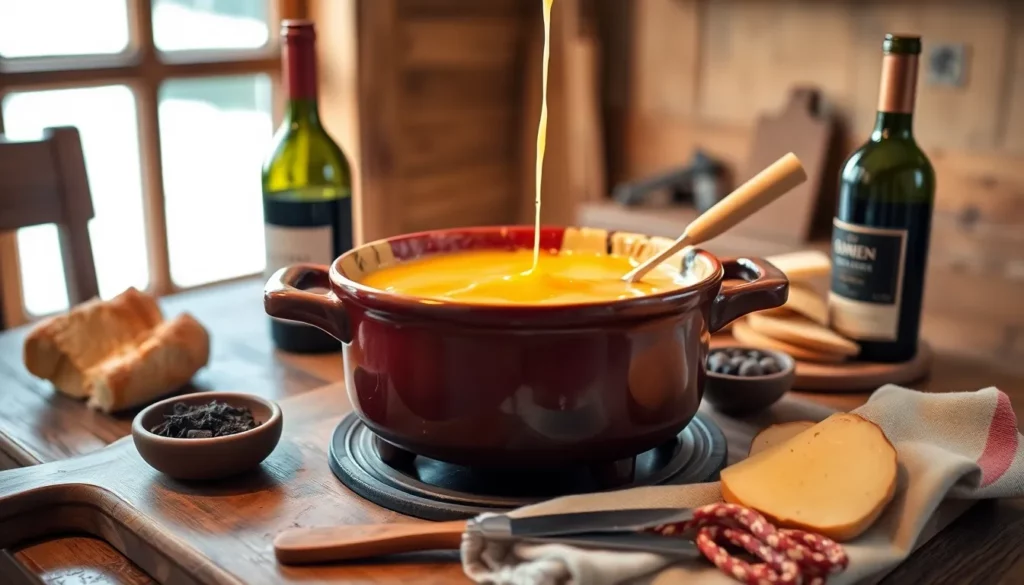
Fonduta (pronounced fon-DOO-tah) is a traditional Italian cheese fondue originating from the Aosta Valley, a mountainous region in northwestern Italy. Unlike its Swiss counterpart, Fonduta is made exclusively from Fontina DOP cheese, a semi-soft cow’s milk cheese with a nutty, earthy flavor and excellent melting properties. The dish is prepared by slowly melting Fontina with milk, butter, and egg yolks, resulting in a velvety, creamy sauce that is often enriched with shaved white truffles during the autumn season. Fonduta is protected under the Denominazione di Origine Protetta (DOP) system when made with authentic Fontina from the Aosta Valley, ensuring its traditional production methods and geographic origin.
The history of Fonduta dates back to the 16th century, when Alpine shepherds would melt leftover cheese over a fire, adding milk and eggs to create a hearty meal. Over time, it evolved into a refined dish served in rustic mountain huts and elegant restaurants alike. The word “fonduta” derives from the Italian “fondere,” meaning “to melt,” reflecting its fundamental preparation technique.
Types & Grades
While Fonduta itself is a single dish, variations arise from the type of Fontina used and additional ingredients. Fontina cheese is classified by aging:
| Grade | Aging | Characteristics | Best Use |
|---|---|---|---|
| Fontina Giovane | 30–60 days | Soft, creamy, mild flavor | Ideal for Fonduta due to excellent meltability |
| Fontina Mezzano | 60–120 days | Firmer, more pronounced nuttiness | Can be used for a richer fonduta |
| Fontina Vecchio | Over 120 days | Hard, crumbly, intense flavor | Not recommended for fonduta; better for grating |
Beyond cheese age, Fonduta variations include:
- Fonduta con Tartufo: Shaved white truffles (Tuber magnatum) added just before serving, a luxurious autumn specialty.
- Fonduta con Funghi: Sautéed porcini mushrooms folded in for an earthy twist.
- Fonduta al Vino: A splash of dry white wine replaces some milk for acidity.
Authentic Fonduta always uses Fontina DOP from the Aosta Valley. Imitations using other Fontina or melting cheeses are not considered true Fonduta.
How It’s Used in Cooking
Fonduta is primarily served as a communal dip, similar to Swiss fondue, but with a distinctly Italian character. Traditional accompaniments include:
- Polenta: Soft, creamy polenta is the classic partner, often served in a bowl with fonduta poured over.
- Crostini: Toasted bread slices rubbed with garlic, perfect for dipping.
- Vegetables: Blanched asparagus, roasted potatoes, or raw fennel.
- Cured Meats: Speck or prosciutto crudo for a salty contrast.
In professional kitchens, Fonduta is also used as a sauce for pasta (e.g., gnocchi or ravioli), a filling for crêpes, or a topping for grilled meats. The key is to maintain a gentle heat to prevent curdling. Chefs often add a pinch of nutmeg or a drizzle of truffle oil to enhance the flavor.
“La fonduta è un piatto che racconta la storia della nostra montagna: semplice, generoso, e capace di unire le persone intorno a un tavolo.” – Traditional Aostan saying
How to Choose/Identify Authentic Fonduta
When purchasing ingredients for Fonduta, follow these guidelines to ensure authenticity:
- Look for the DOP label: Authentic Fontina DOP cheese will have a red and yellow seal indicating it comes from the Aosta Valley. The cheese wheel is stamped with the DOP logo.
- Check the rind: Fontina DOP has a thin, brownish-orange rind with a characteristic “crust” that is slightly sticky. The interior is pale yellow with small eyes.
- Smell and taste: Authentic Fontina has a mild, nutty aroma with a hint of earthiness. Avoid cheeses that smell ammoniated or overly pungent.
- Buy from reputable sources: Italian specialty stores or online retailers that source directly from the Aosta Valley. Avoid generic “Fontina” from other countries.
- For prepared Fonduta: Some artisanal producers sell ready-made fonduta in jars. Check the ingredient list – it should contain only Fontina DOP, milk, butter, egg yolks, and natural flavorings. No additives or preservatives.
Commercial buyers should request certificates of origin and DOP documentation from suppliers. The Consorzio Produttori Fontina (Fontina Producers Consortium) provides verification services.
Substitutes
While nothing replicates the exact flavor and texture of authentic Fonduta, several Italian cheeses can be used in a pinch, though the result will differ:
- Taleggio DOP: A washed-rind cheese from Lombardy, Taleggio melts beautifully and offers a similar creamy consistency with a stronger, tangy flavor. It is a common substitute in northern Italian cooking.
- Gorgonzola Dolce: For a blue cheese twist, Gorgonzola Dolce (mild and creamy) can be blended with a neutral melting cheese like mozzarella to approximate fonduta’s richness.
- Asiago Pressato: A young, soft Asiago from Veneto melts well and has a mild, buttery flavor, though it lacks the nuttiness of Fontina.
- Gruyère (Swiss): Often used in Swiss fondue, Gruyère is not Italian but can be combined with Emmental for a similar fondue experience. However, this is not Fonduta.
For a dairy-free alternative, cashew cream with nutritional yeast can mimic the creamy texture, but it is not traditional.
Conclusion: Fonduta is a cherished Italian culinary tradition that embodies the Alpine spirit of the Aosta Valley. Its simplicity – quality Fontina DOP, milk, butter, and egg yolks – yields a luxurious, comforting dish. Whether enjoyed with polenta, bread, or vegetables, authentic Fonduta offers a taste of Italian heritage. When selecting ingredients, prioritize DOP certification and source from trusted producers. For those unable to find Fontina, Taleggio or young Asiago provide acceptable alternatives, but the true experience lies in the original.
FAQ
What is Fonduta?
Fonduta is a traditional Italian cheese fondue from the Aosta Valley, made with Fontina DOP cheese, milk, butter, and egg yolks, resulting in a creamy, velvety sauce often served with polenta or bread.
How is Fonduta different from Swiss fondue?
Swiss fondue typically uses a blend of Gruyère and Emmental cheeses, often with white wine and kirsch, while Fonduta uses only Fontina, milk, butter, and egg yolks, yielding a milder, creamier texture without alcohol.
Can I make Fonduta without Fontina?
Yes, but it will not be authentic. Suitable Italian substitutes include Taleggio DOP or young Asiago Pressato, which melt well and provide a similar creamy consistency, though the distinct nutty flavor of Fontina is irreplaceable.

Leave a Reply