
Short Answer
What Is Polpo, polipo? Italian Cuisine Explained
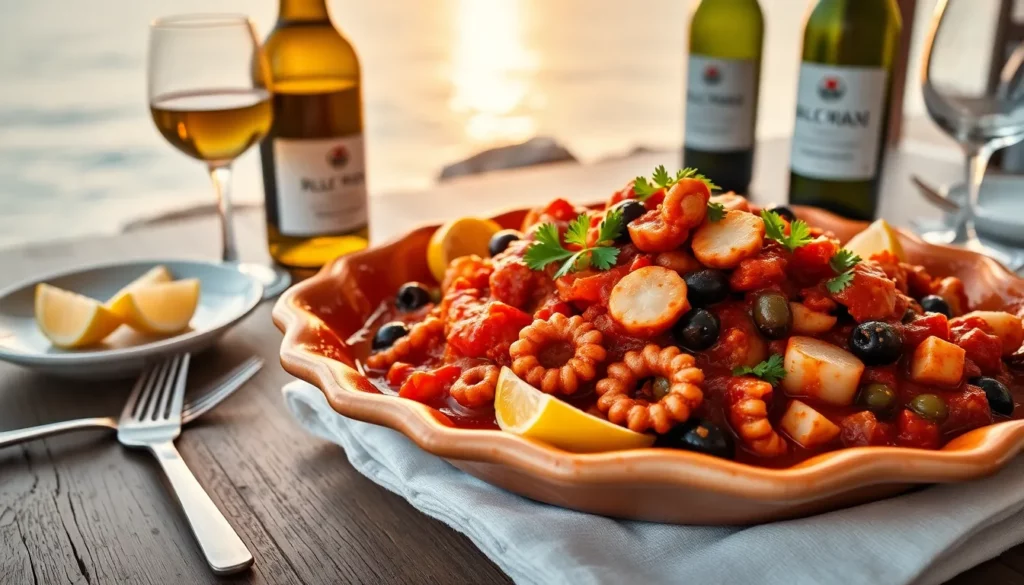
Polpo (pronounced POL-poh) is the Italian term for octopus, a cephalopod mollusk widely used in Mediterranean cooking. In Italian cuisine, polpo is prized for its tender texture and mild, briny flavor. The word polipo is a common variant, though technically polpo is the correct singular form; polipi is the plural. Octopus has been a staple of Italian coastal communities for centuries, appearing in dishes from Liguria to Sicily. Key ingredients often include olive oil, garlic, lemon, parsley, and tomatoes, with preparation methods ranging from slow braising to grilling. This article covers the origins, regional variations, and proper ways to enjoy polpo in authentic Italian dining.
Origin & History
Octopus consumption in Italy dates back to ancient Roman times, as documented by Pliny the Elder in his Naturalis Historia. Romans prized octopus for its flavor and medicinal properties, often boiling it with wine and herbs. However, the modern Italian love affair with polpo solidified in the coastal regions of the Mediterranean, particularly in Campania, Sicily, and Liguria. The city of Naples is famous for Polpo alla Luciana, a dish named after the fishing village of Santa Lucia. Legend holds that fishermen would cook octopus in seawater and tomatoes on the beach, a tradition that evolved into a beloved Neapolitan specialty. In Sicily, octopus was historically a poor man’s food, caught by fishermen and sold in markets; today it is a celebrated ingredient in salads, stews, and pasta dishes. The spread of polpo across Italy accelerated in the 20th century with improved refrigeration and transportation, making it accessible to inland regions.
What’s In It
Polpo dishes vary widely, but core ingredients include fresh octopus, extra virgin olive oil, garlic, lemon, and fresh herbs like parsley or oregano. Many recipes call for tomatoes, white wine, capers, olives, and chili flakes. Preparation is critical: octopus must be tenderized, often by freezing or beating, then slowly simmered to break down tough collagen. A common technique is to cook the octopus in its own juices or with a cork (a traditional method believed to tenderize the flesh). Unlike calamari (squid), which is often fried quickly, polpo is typically braised, grilled, or boiled. It is not a pasta dish per se, though octopus is sometimes served with pasta, as in Spaghetti con Polpo. The key distinction from similar seafood is the texture: properly cooked polpo is tender, not rubbery.
Regional Variations
| Region | Dish Name | Key Characteristics |
|---|---|---|
| Liguria | Polpo alla Ligure | Boiled octopus served with olive oil, lemon, and parsley; often part of a seafood salad. |
| Campania (Naples) | Polpo alla Luciana | Slow-cooked in tomato sauce with garlic, olives, and capers; served as a main course or on bread. |
| Sicily | Insalata di Polpo | Cold octopus salad with celery, lemon, olive oil, and herbs; a classic antipasto. |
| Puglia | Polpo alla Pugliese | Grilled octopus marinated in olive oil, oregano, and chili; often served with roasted potatoes. |
| Sardinia | Polpo in Umido | Stewed octopus with tomatoes, white wine, and myrtle berries; a rustic dish. |
How It’s Traditionally Eaten
In Italian dining, polpo can appear in multiple courses. As an antipasto, it is served cold in salads or marinated slices. As a primo (first course), it may accompany pasta or be used in risotto. As a secondo (main course), it is often grilled or stewed, sometimes with potatoes or vegetables. Polpo is rarely a contorno (side dish). It is considered a festive ingredient, especially in coastal regions during summer feasts and religious holidays like the Feast of the Assumption. Everyday consumption is common in fishing communities, where octopus is a cheap protein. Pairings include crisp white wines like Vermentino or Falanghina, and crusty bread to soak up sauces.
Common Mistakes / What It’s Not
Many American-Italian misconceptions surround polpo. First, it is not the same as calamari: calamari is squid, which has a different shape, texture, and cooking time. Second, polpo should never be served rubbery; proper slow cooking yields tenderness. Third, the term polipo is often used interchangeably but is technically a less precise variant; purists prefer polpo. Fourth, octopus is not typically breaded and fried in Italy (that is more common for squid). Fifth, polpo is not a pasta dish by default, though it can be combined with pasta. Finally, avoid overcooking or undercooking: the ideal texture is firm yet yielding, not chewy.
Where to Try It / What to Order
For an authentic experience, visit coastal regions: in Naples, order Polpo alla Luciana at a trattoria near the port. In Sicily, try Insalata di Polpo at a market stall in Palermo or Catania. In Liguria, seek out Polpo alla Ligure in Genoa. For travelers, look for restaurants with a cucina di mare (seafood cuisine) focus. Ordering tips: ask if the octopus is fresh (not frozen) and how it is cooked. A well-prepared polpo should be tender and flavorful, not bland or tough. Festivals like the Sagra del Polpo in various towns celebrate octopus with local variations.
Related Dishes
- Calamari (Squid)
- Seppia (Cuttlefish)
- Moscardini (Baby Octopus)
- Insalata di Mare (Seafood Salad)
- Polpo alla Griglia (Grilled Octopus)
FAQ
What is the difference between polpo and polipo?
Polpo is the correct Italian singular for octopus; polipo is a common variant but considered less precise. In standard Italian, polpo is preferred, while polipo may appear in regional dialects or informal usage.
How is polpo traditionally prepared in Italy?
Traditional preparation involves tenderizing the octopus (by freezing or beating), then slow-cooking it in water, wine, or tomato sauce until tender. It is often served with olive oil, lemon, and herbs, or grilled after boiling.
Is polpo the same as calamari?
No. Polpo is octopus, while calamari is squid. They differ in anatomy, texture, and cooking methods. Octopus requires longer cooking to become tender, whereas squid cooks quickly and becomes rubbery if overcooked.
Can polpo be eaten raw?
In Italy, raw octopus is not common due to its tough texture. However, very small, tender octopus may be served in carpaccio style in some modern restaurants, but traditional dishes always cook the octopus.
What wine pairs best with polpo dishes?
Crisp, acidic white wines like Vermentino, Falanghina, or Greco di Tufo complement the briny flavor of octopus. For grilled octopus, a light red like Cerasuolo d'Abruzzo can also work.




Leave a Reply