
Short Answer
What It Is
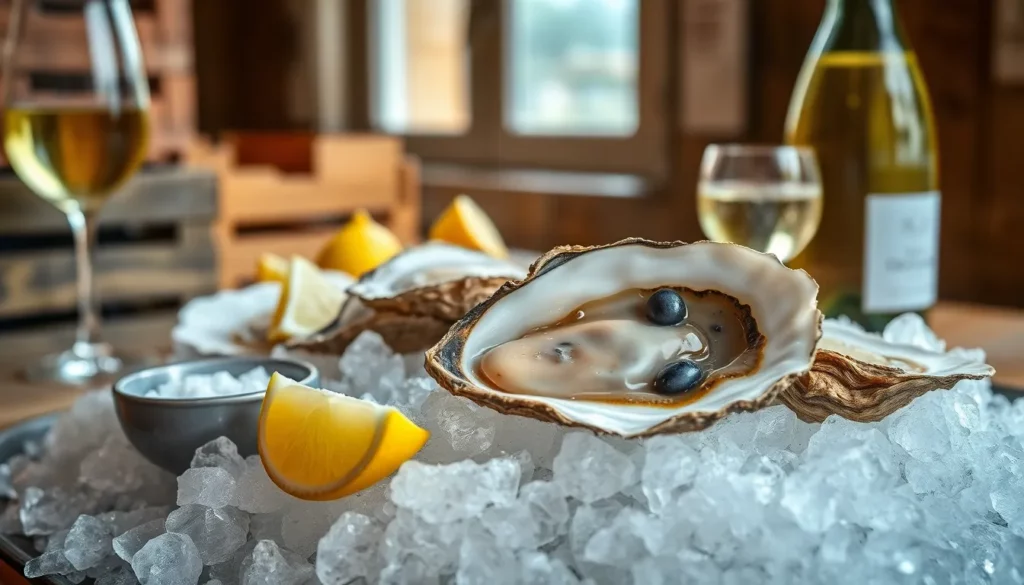
Ostrica is the Italian term for oyster, but in the context of Italian gastronomy, it specifically denotes oysters cultivated in designated regions under strict quality protocols. The most celebrated are the Ostrica di Scardovari DOP (Denominazione di Origine Protetta) and the Ostrica di Goro PGI (Indicazione Geografica Protetta), both hailing from the Po Delta in the Veneto and Emilia-Romagna regions. These oysters belong to the species Crassostrea gigas (Pacific oyster), introduced to Italy in the 1970s and now adapted to local lagoon environments.
Production Method
Ostrica farming begins with hatchery-raised spat (juvenile oysters) that are transferred to growing areas in the Po Delta’s brackish lagoons. The oysters are placed in mesh bags or on ropes suspended from longlines, allowing constant water flow. A critical phase is affinamento (aging), where oysters are moved to specific purification basins for 2–6 months. During this time, they develop a distinctive flavor profile—briny, sweet, and mineral—influenced by the local plankton and salinity. The DOP designation requires that all stages from spawning to packaging occur within the defined geographic area, while PGI allows some flexibility but still mandates a strong territorial link.
Region of Origin
The Po Delta, a UNESCO World Heritage site, provides an ideal environment for oyster cultivation. The mixing of freshwater from the Po River with the Adriatic Sea creates a nutrient-rich, low-salinity habitat that imparts a unique sweetness to the oysters. The towns of Scardovari (in the province of Rovigo) and Goro (in the province of Ferrara) are the epicenters of production. Historical records indicate that oyster farming in this area dates back to the Etruscan and Roman periods, though modern techniques were refined in the late 20th century.
“L’ostrica è il bacio del mare” — Italian proverb
Types & Grades
Italian oysters are classified by certification, region, size, and aging. The table below summarizes the main DOP and PGI varieties, along with other notable Italian oysters.
| Type | Certification | Region | Flavor Profile | Typical Aging |
|---|---|---|---|---|
| Ostrica di Scardovari | DOP | Veneto (Po Delta) | Briny, sweet, with a clean finish | 24–36 months |
| Ostrica di Goro | PGI | Emilia-Romagna (Po Delta) | Mineral, slightly nutty, medium brine | 18–24 months |
| Ostrica di Taranto | None (traditional) | Puglia (Mar Piccolo) | Intense iodine, herbaceous | 12–18 months |
| Ostrica di Olbia | None (local) | Sardinia (Gulf of Olbia) | Delicate, sweet, with a hint of seaweed | 12–20 months |
Size Grades
Italian oysters are graded by weight per piece, following the European standard:
- Grade 0: >150 g (largest, often reserved for special occasions)
- Grade 1: 110–150 g
- Grade 2: 80–110 g (most common for restaurants)
- Grade 3: 60–80 g
- Grade 4: <60 g (small, used in cooked dishes)
Aging Grades
Producers often label oysters by the duration of affinamento:
- Giovane (young): 12–18 months, mild flavor, tender texture.
- Matura (mature): 18–24 months, balanced brine and sweetness, firmer meat.
- Vecchia (old): 24+ months, intense mineral notes, complex umami, chewier texture.
How It’s Used in Cooking
Ostrica is a versatile ingredient in Italian cuisine, celebrated both raw and cooked. The key is to respect the oyster’s natural flavor while enhancing it with simple accompaniments.
Raw Preparations
The most traditional way to enjoy Ostrica is raw on the half shell, served with a squeeze of lemon, a grind of black pepper, and perhaps a drop of extra-virgin olive oil. In coastal regions, oysters are often paired with a glass of Vermentino or Prosecco. The briny liquor is considered a delicacy and should be consumed first.
Cooked Preparations
Ostrica shines in several classic Italian dishes:
- Ostriche gratinate: Oysters topped with breadcrumbs, garlic, parsley, and olive oil, then baked until golden. A staple in Venetian trattorias.
- Risotto alle ostriche: A creamy risotto where oyster liquor is used as part of the cooking liquid, and whole oysters are folded in at the end.
- Zuppa di ostriche: A light soup with white wine, fish broth, and a touch of cream, served with crusty bread.
- Spaghetti con ostriche: A variation of spaghetti alle vongole, using shucked oysters and their liquor for an intense seafood flavor.
“Le ostriche vanno mangiate vive, con un goccio di limone e un sorso di vino bianco.” — Traditional Italian saying
How to Choose/Identify Authentic Ostrica
For chefs and home cooks seeking genuine Ostrica, authenticity hinges on certification, freshness, and provenance.
Labeling
Look for the official DOP or PGI logo on the packaging. The label must include the producer’s name, the certification number, and the harvest date. For Ostrica di Scardovari DOP, the packaging is often marked with a blue and yellow seal. For Ostrica di Goro PGI, a red and green seal is used. Avoid oysters labeled simply “Italian oysters” without further detail.
Freshness Indicators
| Cue | Authentic | Non-authentic |
|---|---|---|
| Shell | Closed or closes when tapped; intact | Open and unresponsive; cracked |
| Smell | Clean, briny, like the sea | Ammonia-like or sour |
| Liquor | Clear or slightly milky, abundant | Cloudy, thick, or absent |
| Meat | Plump, glossy, with a defined shape | Shriveled, dull, or mushy |
When purchasing, ask the fishmonger for the affinamento details and the exact harvest date. Authentic Ostrica should have a traceable origin, often printed on the bag.
Substitutes
If authentic DOP/PGI Ostrica is unavailable, several Italian and international alternatives can be used, depending on the application.
Italian Alternatives
- Ostrica di Taranto: From Puglia, these oysters have a stronger iodine flavor and are excellent raw or in soups.
- Ostrica di Olbia: Sardinian oysters with a delicate sweetness, suitable for raw consumption.
- Ostrica di La Spezia: From Liguria, smaller but with a pronounced mineral taste.
Non-Italian Alternatives
- French Fine de Claire: Similar in brininess and texture, often used as a benchmark. They lack the specific terroir of Italian oysters but work well in cooked dishes.
- Belon (Ostrea edulis): A European flat oyster with a coppery finish, suitable for raw bars but not traditional in Italian recipes.
- Mussels or clams: In cooked preparations like risotto or soup, mussels or clams can replace oysters, though the flavor will be less complex.
For raw consumption, always prioritize fresh, live oysters from a reputable source. Substitutes should be chosen based on the desired flavor intensity and the dish’s regional character.
In summary, Ostrica represents the pinnacle of Italian oyster cultivation, with DOP and PGI certifications guaranteeing authenticity and quality. Understanding the types, grades, and proper handling allows chefs and enthusiasts to fully appreciate this marine treasure. Whether enjoyed raw with a drop of lemon or baked with breadcrumbs, Ostrica offers a taste of the Italian sea that is both refined and deeply rooted in tradition.
FAQ
What is Ostrica?
Ostrica is the Italian word for oyster, specifically referring to oysters farmed in Italy, with notable DOP and PGI varieties from the Po Delta, such as Ostrica di Scardovari and Ostrica di Goro.
What is the difference between DOP and PGI oysters?
DOP (Denominazione di Origine Protetta) requires the entire production process to occur in a specific region, while PGI (Indicazione Geografica Protetta) only requires a geographic link for at least one stage. DOP is stricter and often associated with higher quality.
How should I store fresh Ostrica?
Store them in the refrigerator at 4–7°C, covered with a damp cloth, and consume within 2–3 days. Do not submerge in fresh water or seal in an airtight container, as oysters need to breathe.
Can I cook Ostrica?
Yes, they are excellent baked, grilled, or in soups and pasta. Cooking reduces the briny intensity but adds a delicate sweetness. Popular dishes include ostriche gratinate and risotto alle ostriche.

Leave a Reply