Short Answer
What It Is
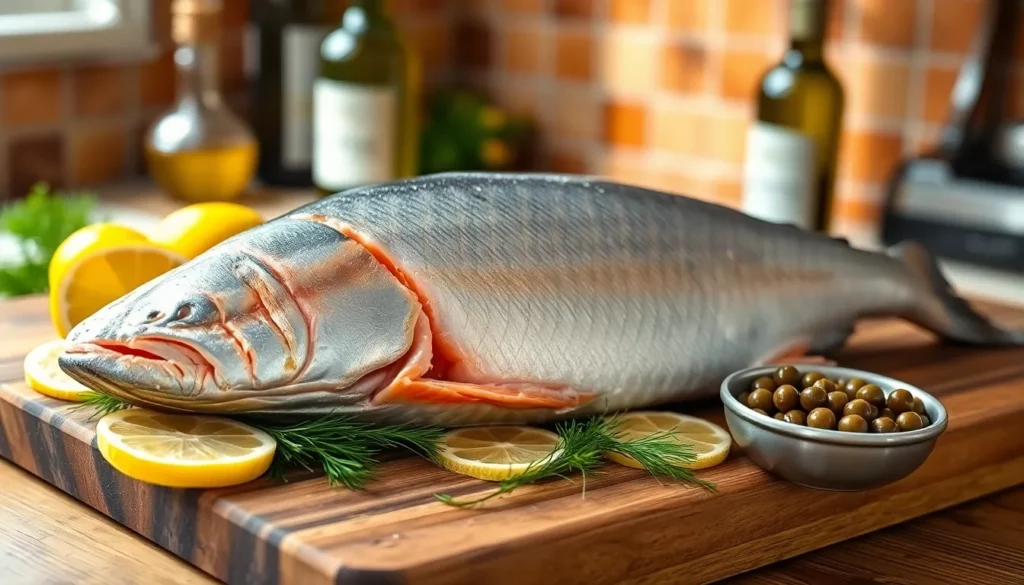
Salmone, the Italian word for salmon, refers to several species of fish in the family Salmonidae, primarily the Atlantic salmon (Salmo salar) and various Pacific species. In Italian culinary tradition, salmon is not native to the Mediterranean but has been embraced for its rich flavor and versatility. The production of salmon in Italy is limited; most salmon consumed is imported from Norway, Scotland, and Chile. However, Italy boasts a niche artisanal production of smoked salmon, particularly in regions like Trentino-Alto Adige and Sardinia, where traditional smoking methods are applied to high-quality imported fish. While no DOP (Denominazione di Origine Protetta) exists for salmon, some products have received PAT (Prodotto Agroalimentare Tradizionale) recognition, such as Salmone affumicato di Cardedu from Sardinia. The Italian Ministry of Agricultural Policies oversees these designations, ensuring traditional production techniques are preserved.
Types & Grades
Salmon is categorized by species, origin, and processing method. The following table outlines the main types and grades available in the Italian market:
| Type | Species | Origin | Typical Use |
|---|---|---|---|
| Wild Atlantic Salmon | Salmo salar | North Atlantic (Norway, Scotland, Canada) | Grilling, poaching, sashimi |
| Farmed Atlantic Salmon | Salmo salar | Norway, Scotland, Chile | Everyday cooking, smoking |
| Pacific Salmon (King, Sockeye, Coho) | Oncorhynchus spp. | Alaska, Canada, Russia | High-end raw preparations, grilling |
| Smoked Salmon (Affumicato) | Usually Atlantic | Italy (artisanal) or imported | Antipasti, pasta, salads |
| Gravlax (cured with dill) | Atlantic or Pacific | Scandinavian style, also made in Italy | Appetizers, canapés |
Grades are often based on fat content, color, and freshness. Wild salmon tends to be leaner with a deeper red hue, while farmed salmon is fattier and milder. In Italy, the term salmone di allevamento (farmed) is common, but discerning chefs prefer salmone selvaggio (wild) for its superior texture and flavor.
How It’s Used in Cooking
Italian cuisine incorporates salmon in both traditional and modern dishes. Classic preparations include:
- Carpaccio di Salmone – Thinly sliced raw salmon marinated in lemon juice, olive oil, and capers.
- Tagliolini al Salmone – Fresh egg pasta with a creamy sauce of smoked salmon, dill, and white wine.
- Risotto al Salmone – Arborio rice cooked with fish broth, smoked salmon, and a touch of mascarpone.
- Salmone alla Griglia – Grilled salmon fillet seasoned with herbs and served with a side of grilled vegetables.
- Insalata di Salmone Affumicato – Smoked salmon salad with arugula, shaved Parmesan, and balsamic glaze.
In coastal regions, salmon is also used in crostini and as a topping for pizza bianca. The delicate flavor pairs well with citrus, dill, and extra-virgin olive oil.
How to Choose/Identify Authentic Salmone
When purchasing salmon in Italy, look for these authenticity cues:
- Color: Wild salmon has a vibrant orange-red hue; farmed salmon is paler and may be artificially colored. Check for evenness.
- Smell: Fresh salmon should smell like the sea, not fishy or ammonia-like.
- Texture: The flesh should be firm and spring back when pressed. Avoid mushy or discolored areas.
- Labels: Look for MSC (Marine Stewardship Council) certification for sustainable wild salmon, or ASC (Aquaculture Stewardship Council) for responsible farming. For Italian smoked salmon, seek PAT or IGP indications.
- Origin: Italian artisanal smoked salmon often comes from Trentino or Sardinia. Ask for salmone affumicato artigianale.
“Il salmone di qualità si riconosce dall’occhio: lucido, vivo, e dalla consistenza soda.” – Traditional fishmonger’s wisdom.
Substitutes
If salmon is unavailable or too costly, Italian cooks often turn to these substitutes:
- Trota (Trout) – Especially trota salmonata (rainbow trout with salmon-like flesh) is a common and affordable alternative for grilling or smoking.
- Salmerino (Arctic Char) – A close relative with similar flavor and texture, often farmed in the Alps.
- Branzino (Sea Bass) – For recipes that require a delicate white fish, though flavor differs.
- Tonno (Tuna) – In raw preparations like carpaccio, fresh tuna can replace salmon.
Each substitute brings its own character; trout is the most faithful in both taste and cooking properties.
Conclusion
Salmone, while not indigenous to Italy, has become a beloved ingredient in modern Italian cooking. Understanding its types, grades, and authenticity markers allows you to select the best product for your culinary needs. Whether you choose wild or farmed, fresh or smoked, the key is to prioritize quality and sustainability. By following the guidelines in this article, you can confidently incorporate Salmone into your Italian-inspired dishes.
FAQ
Is there a DOP for Italian salmon?
No, there is no DOP for salmon in Italy. However, some artisanal smoked salmon products have PAT (Traditional Agri-food Product) status, such as Salmone affumicato di Cardedu from Sardinia.
What is the difference between wild and farmed salmon?
Wild salmon has a firmer texture, deeper color, and more pronounced flavor due to its natural diet. Farmed salmon is fattier, milder, and often more affordable. In Italy, wild salmon is preferred for raw preparations, while farmed is common for smoking and everyday cooking.
How should I store fresh salmon?
Fresh salmon should be kept refrigerated at 0–4°C and consumed within 1–2 days of purchase. For longer storage, freeze at -18°C for up to 3 months. Smoked salmon can be refrigerated for up to 2 weeks if unopened.
Leave a Reply