Short Answer
What Is Fragoline di bosco? Italian Wild Berries Explained
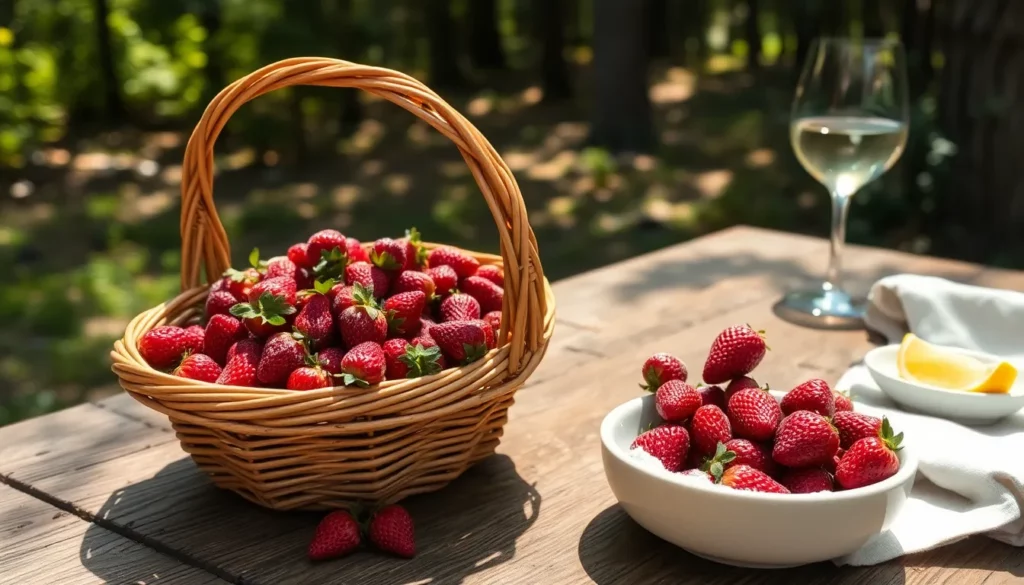
Fragoline di bosco (literally “little strawberries of the woods”) are the wild strawberries native to the forests and undergrowth of Italy. Unlike the larger, cultivated garden strawberries (Fragaria × ananassa), these tiny berries belong to the species Fragaria vesca and are prized for their intense aroma, sweetness, and delicate texture. They are typically foraged from late spring through early autumn, depending on altitude and region. In Italian cuisine, they are considered a luxury ingredient, often served simply with a sprinkle of sugar and a squeeze of lemon, or used to garnish desserts, gelato, and pastries. Their small size (about 1–2 cm) and deep red color make them instantly recognizable.
Origin & History
Wild strawberries have been part of the Italian landscape since antiquity. The ancient Romans valued them for their medicinal properties and used them in perfumes and cosmetics. However, the specific term fragoline di bosco emerged in the Middle Ages, when foraging for wild berries was a common practice among peasants and monks. The berries were often preserved in honey or wine, or used to flavor liqueurs. During the Renaissance, they became a symbol of spring and were featured in still-life paintings. Unlike the cultivated strawberry, which was developed in France in the 18th century, fragoline di bosco have remained essentially unchanged for centuries. Today, they are still foraged in the wild, though some small-scale cultivation exists in the Alpine foothills and the Apennines. The most famous foraging regions include the woods of Trentino-Alto Adige, Piedmont, and Tuscany.
What’s In It
Fragoline di bosco are 100% natural – they contain only the wild strawberry fruit itself. No added ingredients are needed, though they are often served with a dusting of sugar, a drop of balsamic vinegar, or a dollop of fresh cream. The key characteristics that set them apart from common strawberries are:
- Size: Tiny, typically 1–2 cm in diameter.
- Color: Deep crimson red, sometimes with a white or pinkish core.
- Aroma: Intensely fragrant, with floral and honey notes.
- Flavor: Sweet with a hint of acidity, much more concentrated than cultivated strawberries.
- Texture: Soft and juicy, but firmer than larger berries.
They are often confused with fragoline di mare (a type of seaweed) or with the larger fragole (garden strawberries). However, fragoline di bosco are a distinct botanical variety and are never grown on a large commercial scale.
Regional Variations
While fragoline di bosco are found throughout Italy, their use and cultural significance vary by region. The table below highlights key differences:
| Region | Local Name | Typical Use | Season |
|---|---|---|---|
| Piedmont | Fragole di bosco | Eaten fresh with sugar and red wine; used in zabaione or as a topping for panna cotta. | May–July |
| Trentino-Alto Adige | Waldbeeren (German influence) | Preserved in syrup or vinegar; used in strudel and krapfen. | June–August |
| Tuscany | Fragoline | Simple preparation with lemon and sugar; added to cantucci or vin santo. | May–June |
| Sicily | Fragulini (dialect) | Used in granita or as a filling for cannoli; often paired with ricotta. | April–May |
In the Alpine regions, fragoline di bosco are often foraged by families and sold at local markets. In the south, they are rarer and considered a delicacy.
How It’s Traditionally Eaten
Fragoline di bosco are not a main course but a frutto (fruit) typically served as a contorno (side) to desserts or as a standalone treat. They are most often eaten fresh, simply washed and served in a bowl with a sprinkle of sugar and a squeeze of lemon juice. In fine dining, they may be used as a garnish for panna cotta, gelato, or tiramisù. They are also macerated in wine or balsamic vinegar to create a light sauce for pancakes or crepes. Because of their delicate nature, they are rarely cooked; heat destroys their aroma. They are a seasonal treat, enjoyed during spring and summer, and are often associated with feste di paese (village festivals) celebrating the harvest.
Common Mistakes / What It’s Not
Many people confuse fragoline di bosco with regular strawberries or with the larger, less flavorful fragole sold in supermarkets. Key misconceptions include:
- They are not the same as garden strawberries. Garden strawberries (Fragaria × ananassa) are a hybrid of two American species, while fragoline di bosco are a distinct European species.
- They are not always cultivated. Most fragoline di bosco are foraged from the wild; only a few farms in Italy grow them on a small scale.
- They are not a dessert dish. They are an ingredient, not a prepared recipe. Serving them with sugar and cream is a simple preparation, not a complex dish.
- They are not available year-round. Their season is short (typically May to August), and they do not travel well, so they are rarely exported fresh.
To experience authentic fragoline di bosco, look for them at farmers’ markets in Italy during the summer months, or seek out preserved versions (in syrup or jam) from specialty Italian grocers.
Where to Try It / What to Order
To taste the best fragoline di bosco, visit Italy during the late spring or early summer. Here are some recommendations:
- Mercato Centrale, Florence: Look for foragers selling them in small baskets. Ask for fragoline con zucchero e limone.
- Alpine huts (rifugi) in Trentino: Many serve fragoline di bosco with local cream or as a topping for kaiserschmarrn.
- Enoteca in Piedmont: Pair them with a glass of Moscato d’Asti or Barolo Chinato.
- Sicilian pasticcerie: Order a cannolo filled with ricotta and topped with fragoline.
When ordering, simply say “Vorrei delle fragoline di bosco, per favore.” If they are not in season, ask for confettura di fragoline di bosco (wild strawberry jam).
Related Dishes
FAQ
What does 'fragoline di bosco' mean?
It translates to 'little strawberries of the woods' in Italian, referring to the wild strawberry species Fragaria vesca.
How are fragoline di bosco different from regular strawberries?
They are much smaller (1–2 cm), have a more intense aroma and flavor, and are typically foraged from the wild rather than cultivated. Regular strawberries are a hybrid species (Fragaria × ananassa) and are larger, less fragrant, and available year-round.
When is the best season to find fragoline di bosco?
The peak season is from late May to early August, depending on altitude and region. They are a summer delicacy and are rarely available fresh outside of Italy.
Can I grow fragoline di bosco at home?
Yes, but they require specific conditions: well-drained soil, partial shade, and a cool climate. They are more challenging to cultivate than garden strawberries and are best suited to alpine or woodland gardens.
What is the best way to eat fragoline di bosco?
Simply wash them gently, pat dry, and serve with a sprinkle of sugar and a squeeze of lemon juice. They can also be macerated in wine or balsamic vinegar, or used as a topping for panna cotta, gelato, or pancakes.
Leave a Reply