
Short Answer
What It Is
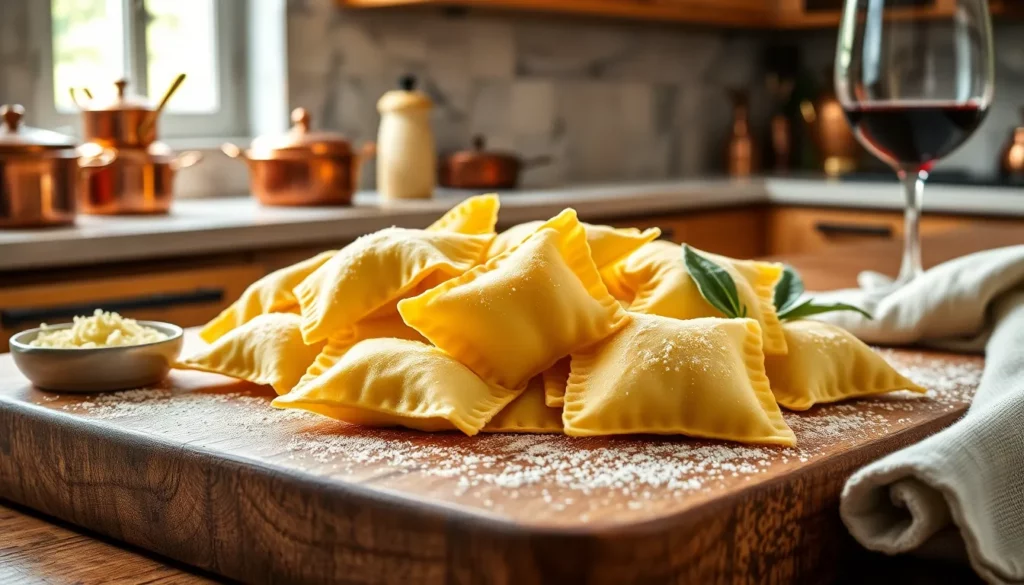
Tortelli (singular: tortello) are a traditional stuffed pasta from the Emilia-Romagna region of northern Italy, particularly associated with the provinces of Parma, Reggio Emilia, Modena, and Mantua. Unlike the smaller, ring-shaped tortellini, tortelli are typically larger, square or rectangular, and folded into a distinctive shape resembling a small envelope or hat. The pasta dough is made from sfoglia—a mixture of soft wheat flour (type 00) and fresh eggs—rolled thin and cut into squares. Each square is filled with a savory mixture, then folded and sealed to create a pocket that traps the filling during cooking.
The origins of tortelli date back to the Renaissance, when noble courts in Emilia-Romagna began elaborating on simple pasta dishes. Historical records from the 15th century mention tortellini and tortelli as festive foods served during celebrations. Today, tortelli are protected under the broader umbrella of Traditional Italian Food Products (PAT) recognition, though they do not hold a specific DOP or PGI status. However, many of the key ingredients used in authentic tortelli—such as Parmigiano-Reggiano DOP, Prosciutto di Parma DOP, and Grana Padano DOP—are themselves certified, ensuring a link to the region’s terroir.
The production method remains artisanal: the filling is prepared fresh, the dough is rolled by hand or with a mechanical sheeter, and each tortello is individually shaped. This labor-intensive process is a hallmark of Emilia-Romagna’s pasta-making tradition, where quality and craftsmanship are paramount.
Types & Grades
Tortelli come in several regional variations, each defined by its filling and local culinary customs. The table below outlines the most common types, their primary fillings, and typical serving suggestions.
| Type | Filling | Region | Typical Sauce |
|---|---|---|---|
| Tortelli di patate | Mashed potatoes, Parmigiano-Reggiano, nutmeg, sometimes garlic or herbs | Tuscany (especially Mugello) | Butter and sage, or tomato sauce |
| Tortelli di zucca | Roasted pumpkin, amaretti cookies, mostarda di Cremona, Parmigiano-Reggiano | Emilia-Romagna (Mantua, Reggio Emilia) | Butter and sage, or melted butter with Parmigiano |
| Tortelli verdi | Spinach, ricotta, Parmigiano-Reggiano, egg, nutmeg | Emilia-Romagna (Parma, Modena) | Butter and sage, or ragù alla bolognese |
| Tortelli di ricotta | Ricotta, Parmigiano-Reggiano, lemon zest, nutmeg | Emilia-Romagna (general) | Butter and sage, or light cream sauce |
| Tortelli di carne | Braised beef or pork, Parmigiano-Reggiano, egg, nutmeg | Emilia-Romagna (Modena, Bologna) | Ragù alla bolognese or broth |
Grades of tortelli are not officially classified, but quality distinctions exist based on the freshness of ingredients, the percentage of filling, and the thickness of the pasta. Artisanal tortelli typically have a higher filling-to-pasta ratio (around 40–50%) and use only fresh, locally sourced components. Industrial versions may contain preservatives, lower-quality fillings, and thicker dough, which compromises the delicate balance.
How It’s Used in Cooking
Tortelli are most commonly boiled in salted water until they float (2–4 minutes for fresh, 6–8 for dried) and then dressed with a simple sauce that complements the filling. The classic pairing is burro e salvia (butter and sage), which allows the flavor of the filling to shine. In Emilia-Romagna, tortelli are also served in brodo (meat broth) during winter, especially for festive meals.
Signature dishes include:
- Tortelli di zucca con burro e salvia – Pumpkin tortelli with melted butter and crispy sage leaves, often finished with grated Parmigiano-Reggiano.
- Tortelli verdi al ragù – Spinach-ricotta tortelli topped with a slow-cooked ragù alla bolognese, a hearty Sunday dinner.
- Tortelli di patate al sugo di pomodoro – Potato tortelli in a fresh tomato sauce, typical of Tuscan home cooking.
Chefs often recommend undercooking the pasta slightly (al dente) and finishing it in the sauce to allow the flavors to meld. Tortelli can also be baked in a gratin with béchamel and Parmigiano-Reggiano, though this is less traditional.
“Tortelli are a celebration of simplicity: the pasta should be thin, the filling delicate, and the sauce a mere accent.” – Accademia Italiana della Cucina
How to Choose/Identify Authentic Tortelli
When purchasing tortelli, whether fresh or dried, look for these authenticity cues:
- Origin: Authentic tortelli are produced in Emilia-Romagna or Tuscany. Check the label for “Prodotto in Emilia-Romagna” or specific province names.
- Ingredients: The filling should list real, whole ingredients (e.g., “ricotta” not “cheese preparation”, “pumpkin” not “pumpkin puree with additives”). Avoid products with artificial flavors, colors, or preservatives.
- Pasta composition: Look for “semola di grano duro” (durum wheat semolina) or “farina di grano tenero tipo 00” (soft wheat flour) and fresh eggs. Dried tortelli should have a short ingredient list.
- Appearance: Handmade tortelli have irregular, slightly rustic edges and a visible seam. Machine-made tortelli are uniform and often have a crimped edge. The pasta should be thin enough to see the filling faintly through the dough.
- Packaging: Fresh tortelli are sold refrigerated and should be consumed within a few days. Dried tortelli are shelf-stable but may have a longer cooking time. Look for transparent packaging that shows the product.
- Certifications: While tortelli themselves are not DOP, look for DOP ingredients in the filling (e.g., Parmigiano-Reggiano DOP, Prosciutto di Parma DOP). Some producers carry PAT (Traditional Italian Food Product) recognition.
For commercial buyers, sourcing from reputable Italian pasta makers such as Rana, Giovanni Rana, or La Pasta di Gragnano (for dried) ensures consistency, but artisanal producers offer superior flavor and texture.
Substitutes
If tortelli are unavailable, several Italian stuffed pastas can serve as substitutes, each with its own character:
- Ravioli – Square or round, with a similar filling-to-pasta ratio. Use ravioli in any recipe calling for tortelli, adjusting cooking time slightly (ravioli are often thinner).
- Tortellini – Smaller, ring-shaped, and typically filled with meat or cheese. They work well in broth or with light sauces, but their smaller size changes the mouthfeel.
- Agnolotti – Half-moon shaped, from Piedmont, often filled with roasted meat or vegetables. They are a good substitute for meat-filled tortelli, especially with ragù.
- Cappelletti – Similar to tortellini but larger, from Emilia-Romagna and Marche. They are often served in broth and can replace tortelli in brodo dishes.
When substituting, consider the sauce: delicate fillings (e.g., pumpkin, ricotta) pair best with butter and sage, while meat fillings can handle ragù. Avoid using tortellini for dishes that require a large, substantial pasta pocket.
In conclusion, tortelli represent a pinnacle of Emilia-Romagna’s pasta-making tradition—a delicate, flavorful stuffed pasta that rewards attention to detail. Whether you choose the classic potato-filled version from Tuscany or the pumpkin tortelli of Mantua, authentic tortelli offer a taste of Italian culinary heritage. By understanding their production, varieties, and proper use, you can bring a piece of Emilia-Romagna to your table.
FAQ
What is the difference between tortelli and tortellini?
Tortelli are larger, square or rectangular stuffed pasta, while tortellini are smaller, ring-shaped, and typically filled with a mixture of meat and cheese. Tortelli are often served with butter and sage or ragù, whereas tortellini are classically served in broth.
Can tortelli be made gluten-free?
Yes, but traditional tortelli rely on wheat flour for elasticity. Gluten-free versions using rice flour or a blend of gluten-free flours can be made, though the texture will differ. Look for specialty brands that produce gluten-free tortelli, or make them at home with a gluten-free pasta dough.
What is the best sauce for tortelli di zucca?
The classic pairing is butter and sage (burro e salvia), which enhances the sweetness of the pumpkin. Some variations add a sprinkle of amaretti crumbs or a drizzle of balsamic vinegar from Modena. Avoid heavy tomato sauces that overpower the delicate filling.

Leave a Reply