
Short Answer
What Is Capperi? Italian Ingredient Explained
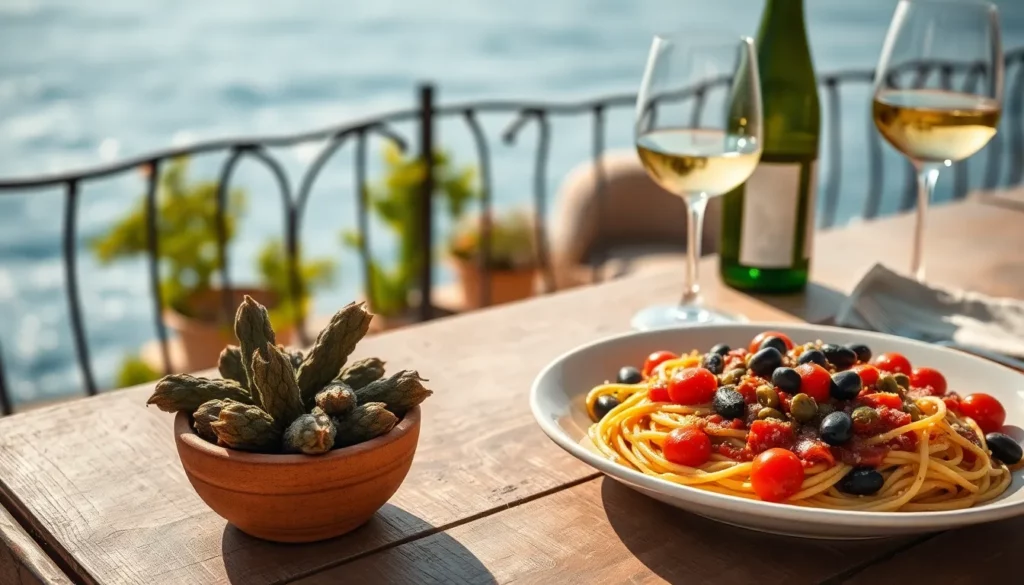
Capperi (pronounced KAP-peh-ree) are the unopened flower buds of the caper bush (Capparis spinosa), a perennial plant that thrives in the rocky, sun-drenched landscapes of the Mediterranean. In Italian cuisine, capperi are almost always preserved—either in salt, brine, or vinegar—to develop their signature pungent, salty, and slightly lemony flavor. They are not a spice, nor a fruit, but a pickled bud used as a condiment or ingredient in countless dishes, from pasta sauces to salads, and from fish preparations to antipasti. While often confused with caper berries (the larger, fruit-like stage of the same plant), true capperi are the tiny, firm buds that pack an intense burst of flavor.
Origin & History
The caper bush is native to the Mediterranean basin, with evidence of its use dating back to ancient Greece and Rome. Theophrastus, the Greek philosopher and botanist, mentioned capers in his writings around 300 BCE. The Romans valued them as a digestive aid and a seasoning, and they appear in Apicius’s De Re Coquinaria, the oldest known cookbook. In Italy, capers have been cultivated for centuries, particularly in the southern regions: Sicily, the Aeolian Islands (especially Salina and Pantelleria), Puglia, and Sardinia. The volcanic soils and intense sun of these areas produce capers with a particularly intense aroma and flavor. A common legend holds that the caper bush was brought to the Mediterranean by the Phoenicians, but archaeological evidence suggests it is indigenous. Today, the most prized Italian capers are the small, firm capperi di Pantelleria, which have PGI (Protected Geographical Indication) status.
What’s In It
Capers are not a prepared dish but a preserved ingredient. The buds are harvested by hand at dawn, then dried and cured. The most traditional method is salt curing: layers of sea salt draw out moisture and concentrate the flavor. Brine-cured capers (in water, vinegar, and salt) are milder and more common in supermarkets. The key flavor compounds include mustard oil glycosides (which give a pungent kick), citric acid, and volatile oils. Capers are often confused with cucunci (caper berries) or capperi in salamoia (brine-caped), but the true Italian capperi sottosale (salt-cured) are the gold standard. They are not a substitute for olives or pickles, though they share a similar briny profile.
Regional Variations
While capers are used throughout Italy, regional preferences and preservation methods vary significantly:
| Region | Variety / Name | Characteristics | Typical Use |
|---|---|---|---|
| Sicily (Pantelleria) | Capperi di Pantelleria (PGI) | Small, firm, intensely aromatic; salt-cured; dark green to brownish | Pasta alla Puttanesca, caponata, fish dishes |
| Aeolian Islands (Salina) | Capperi di Salina | Medium size, slightly milder; often brine-cured; bright green | Salads, antipasti, with ricotta or fresh cheese |
| Puglia | Capperi pugliesi | Larger buds, more tender; often preserved in vinegar with herbs | Orecchiette with cime di rapa, vegetable stews |
| Sardinia | Capperi sardi | Small to medium; salt-cured; very pungent | Pasta with bottarga, roasted lamb, pane carasau |
In northern Italy, capers are less common but appear in dishes like vitello tonnato (as a garnish) or in some Lombard fish recipes. The key difference lies in the curing method: southern Italians prefer salt-cured capers for their concentrated flavor, while northern regions often use milder brine-cured versions.
How It’s Traditionally Eaten
Capers are not a standalone dish but a flavoring agent. They are used in small quantities to add a salty, tangy burst. In Italian cuisine, they appear in:
- Antipasti: Served alongside olives, cured meats, and cheese; or in insalata di mare (seafood salad).
- Primi (first courses): Essential in Pasta alla Puttanesca (with tomatoes, olives, anchovies) and Pasta con le sarde (with sardines, fennel, pine nuts).
- Secondi (main courses): Paired with fish (e.g., pesce spada alla ghiotta – swordfish with capers and olives) or veal (e.g., saltimbocca).
- Contorni (side dishes): In caponata (Sicilian sweet-and-sour eggplant) or insalata di riso (rice salad).
- Sauces: Salsa verde (green sauce with parsley, capers, anchovies) or salsa di capperi for grilled fish.
Capers are an everyday ingredient, not reserved for holidays. However, they are especially prominent during Lent and on Fridays when fish is traditionally eaten. They are also a key component of the Mediterranean diet, celebrated for their low calorie count and high antioxidant content.
Common Mistakes / What It’s Not
Many home cooks, especially in the United States, make errors when using capers:
- Mistake 1: Using brine-cured capers without rinsing. Brine-cured capers are very salty; they should be rinsed briefly under cold water to remove excess salt. Salt-cured capers need to be soaked for 10–15 minutes and then rinsed.
- Mistake 2: Adding capers too early in cooking. Capers can become bitter if cooked for too long. Add them toward the end of cooking to preserve their texture and flavor.
- Mistake 3: Confusing capers with caper berries. Caper berries (cucunci) are the mature fruit, larger, with a milder taste and crunchy seeds. They are not interchangeable in recipes that call for the intense punch of capers.
- Mistake 4: Substituting with olives or pickles. While both are briny, capers have a unique floral, lemony note that cannot be replicated.
- What it’s not: Capers are not a type of olive, nor are they a seed. They are flower buds. They are also not a modern invention—they have been used for millennia.
Where to Try It / What to Order
To experience the finest Italian capers, visit the source regions:
- Pantelleria, Sicily: The island is famous for its PGI capers. Visit local farms or the annual Sagra del Capperi (caper festival) in June. Order Pasta alla Puttanesca with local capers.
- Salina, Aeolian Islands: Known for its milder capers. Try Insalata di capperi (caper salad with tomatoes, onions, and oregano) at a seaside trattoria.
- Puglia: In towns like Ostuni or Martina Franca, look for capperi in agrodolce (sweet-and-sour capers) served with grilled fish.
- Rome: While not a producer, Roman cuisine features capers prominently. Order Carciofi alla giudia (Jewish-style artichokes) with a caper garnish, or Pasta alla Puttanesca at a traditional trattoria.
When shopping, look for capperi sottosale di Pantelleria (salt-cured) for the most intense flavor. Avoid pre-chopped or “caper paste” products, which often contain inferior buds and additives.
Related Dishes
- Pasta alla Puttanesca
- Caponata Siciliana
- Pesce Spada alla Ghiotta
- Salsa Verde Italiana
- Vitello Tonnato
FAQ
What is the difference between capers and caper berries?
Capers are the unopened flower buds of the caper bush, while caper berries (cucunci) are the mature fruit. Capers are small, firm, and intensely pungent; caper berries are larger, with a milder flavor and crunchy seeds. They are not interchangeable in recipes.
Should I rinse capers before using them?
Yes, always rinse brine-cured capers briefly under cold water to remove excess salt. Salt-cured capers should be soaked for 10–15 minutes and then rinsed. This prevents the dish from becoming overly salty.
What is the best way to store capers?
Store capers in their original liquid (brine or salt) in a cool, dark place. Once opened, keep them refrigerated and ensure they are fully submerged in brine or covered with salt. They can last for months if properly stored.
Can I substitute capers with olives or pickles?
No, capers have a unique floral, lemony, and pungent flavor that cannot be replicated by olives or pickles. While both are briny, the taste profile is distinct. For a closer substitute, use chopped green olives or pickled nasturtium buds, but the result will differ.
Are capers healthy?
Yes, capers are low in calories and rich in antioxidants, including quercetin and rutin. They also contain small amounts of fiber, iron, and calcium. However, their high sodium content means they should be used in moderation, especially for those on a low-salt diet.



Leave a Reply