
Short Answer
What Is Barbabietola? Italian Vegetable Explained
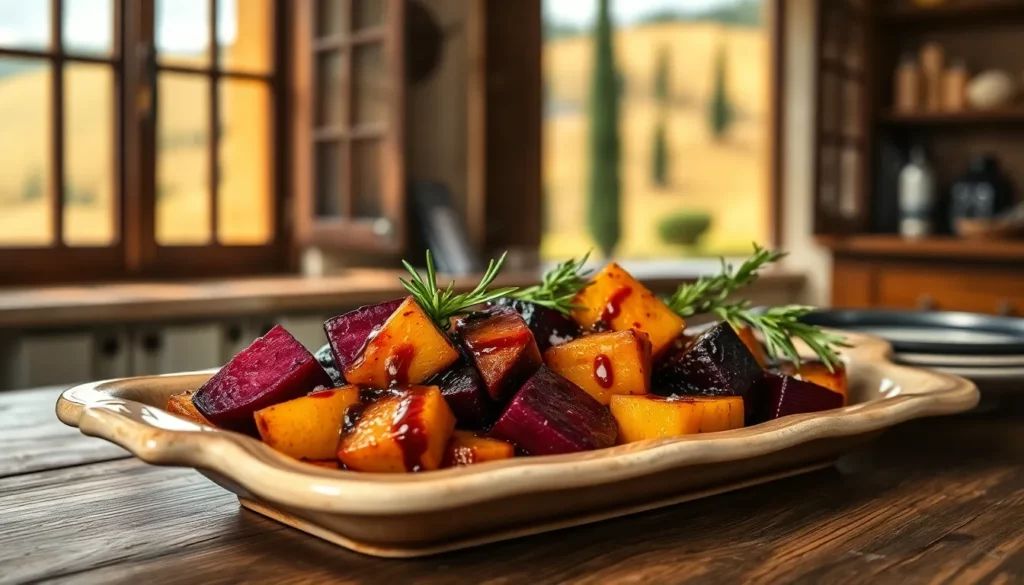
Barbabietola is the Italian term for beetroot (Beta vulgaris), a root vegetable known for its deep red color and earthy sweetness. In Italian cuisine, barbabietola is most commonly associated with the red beet variety, though white and golden types also exist. It is cultivated throughout Italy, with significant production in the northern regions of Emilia-Romagna and Veneto, as well as in central areas like Tuscany. The vegetable is prized for its versatility: it can be boiled, roasted, pickled, or eaten raw, and it appears in antipasti, contorni (side dishes), primi (first courses), and even dolci (desserts). Key ingredients when preparing barbabietola often include olive oil, balsamic vinegar, salt, and fresh herbs such as rosemary or thyme.
Origin & History
Beetroot has been consumed since ancient times, with evidence of its use by the Romans and Greeks. The wild ancestor of the modern beet is native to the Mediterranean region and the Atlantic coast of Europe. The ancient Romans cultivated beets primarily for their leaves, which were used as a pot herb, while the root was considered less important. It was not until the 16th century that the red-rooted beet we know today emerged in Germany and Italy through selective breeding. In Italy, barbabietola became a staple in peasant cooking, especially in the north, where it was often boiled and dressed with vinegar or used to add color to risotto. A unique cultural anecdote: in the Veneto region, barbabietola is traditionally paired with radicchio in winter salads, creating a striking red-and-white contrast that is both visually appealing and flavorful. Despite its long history, barbabietola was sometimes viewed as a poor man’s food, but modern Italian chefs have elevated it to gourmet status.
What’s In It
Barbabietola is a simple ingredient, but its preparation can vary. The core ingredient is the beetroot itself, which is rich in fiber, folate, manganese, and nitrates. Common preparation methods include boiling until tender, roasting to concentrate sweetness, or pickling in vinegar and spices. In Italian cooking, barbabietola is often paired with ingredients that balance its earthiness: tangy goat cheese or ricotta salata, acidic citrus or balsamic vinegar, and fresh herbs like parsley or mint. It is important to differentiate barbabietola from similar-sounding Italian vegetables: rapa (turnip) is a different root with a peppery flavor, while barbabietola da zucchero (sugar beet) is a variety grown for sugar production and is not typically eaten as a vegetable. The red beet is the most common culinary type, but golden and Chioggia (candy-striped) varieties are also used for their milder taste and visual appeal.
Regional Variations
Barbabietola is used differently across Italy, reflecting local traditions and available ingredients. Below is a comparison of three major regions:
| Region | Typical Preparation | Key Pairings | Occasion |
|---|---|---|---|
| Veneto | Boiled or roasted, served cold in salads with radicchio and walnuts | Radicchio, balsamic vinegar, walnuts, Montasio cheese | Winter antipasto or contorno |
| Emilia-Romagna | Pickled in vinegar and spices, often served with boiled meats | Mostarda, bollito misto, horseradish | Accompaniment to meat dishes |
| Sicily | Roasted and pureed into a creamy sauce for pasta or as a filling for ravioli | Ricotta, lemon zest, mint, almonds | Primo piatto or vegetarian main |
In addition, in Tuscany, barbabietola is sometimes grated raw into salads with carrots and apples, while in Lombardy it is used to color traditional risotto (risotto alla barbabietola). The versatility of this vegetable allows each region to adapt it to local tastes.
How It’s Traditionally Eaten
Barbabietola is most commonly served as a contorno (side dish) or as part of an antipasto (starter). It can also be incorporated into primi (first courses) such as risotto, gnocchi, or pasta fillings. In the Veneto, a classic winter salad combines boiled barbabietola with radicchio, walnuts, and a balsamic dressing. In Emilia-Romagna, pickled barbabietola is a traditional accompaniment to bollito misto (mixed boiled meats). For special occasions, barbabietola might be roasted whole and served as a vegetarian main course, drizzled with aged balsamic vinegar. It is rarely eaten raw in large quantities due to its earthy flavor, but thin slices can be added to salads. Barbabietola is considered an everyday vegetable, though its use in festive dishes like risotto alla barbabietola for Christmas or Easter is not uncommon.
Common Mistakes / What It’s Not
One frequent misconception, especially in American-Italian contexts, is that barbabietola is the same as the canned, pickled beets often found in supermarkets. While pickling is a traditional method, fresh barbabietola is preferred in authentic Italian cooking for its superior texture and flavor. Another mistake is confusing barbabietola with barbabietola da zucchero (sugar beet), which is not eaten as a vegetable. Additionally, some may think that barbabietola is only a winter vegetable, but it is available year-round in Italy, with peak season from June to October. It is also not a pasta dish or a specific recipe name; rather, it is the ingredient itself. When ordering in Italy, ask for barbabietola to get the vegetable, not a prepared dish.
Where to Try It / What to Order
To experience authentic barbabietola, visit the Veneto region, especially around Treviso, where winter salads featuring radicchio and barbabietola are a local specialty. In Emilia-Romagna, look for barbabietola sottaceto (pickled beetroot) served alongside bollito misto at traditional trattorias. In Sicily, seek out restaurants that offer ravioli di barbabietola or pasta con crema di barbabietola. For travelers, a good tip is to visit local markets (like Mercato di Rialto in Venice or Mercato Centrale in Florence) to see fresh barbabietola and sample prepared versions. When ordering, specify barbabietola rossa for red beet, or barbabietola gialla for golden. If you want a cooked dish, ask for barbabietola arrosto (roasted) or barbabietola lessa (boiled).
Related Dishes
- Risotto alla Barbabietola
- Insalata di Barbabietola
- Barbabietola Sottaceto
- Ravioli di Barbabietola
- Barbabietola Arrosto
FAQ
What is barbabietola?
Barbabietola is the Italian word for beetroot, a root vegetable commonly used in Italian cuisine. It is known for its earthy sweetness and deep red color, though golden and striped varieties also exist.
How is barbabietola used in Italian cooking?
Barbabietola is used in a variety of ways: boiled and served in salads, roasted as a contorno, pickled as an accompaniment, or pureed into risotto, gnocchi, or pasta fillings. It can also be eaten raw in thin slices.
Is barbabietola the same as beetroot?
Yes, barbabietola is the Italian term for beetroot. However, it is important to distinguish it from sugar beet (barbabietola da zucchero), which is not eaten as a vegetable.
What are the health benefits of barbabietola?
Barbabietola is rich in folate, manganese, fiber, and nitrates, which can help lower blood pressure and improve athletic performance. It also contains antioxidants like betalains.
Where can I try authentic barbabietola dishes in Italy?
In the Veneto region, try insalata di barbabietola e radicchio. In Emilia-Romagna, look for barbabietola sottaceto with bollito misto. In Sicily, seek out ravioli di barbabietola or pasta con crema di barbabietola.

Leave a Reply