
Short Answer
Getting There
Otranto is located on the southeastern coast of Italy in the Salento peninsula of the Puglia region. The nearest major airport is Brindisi Airport (BDS), approximately 45 to 60 minutes away by car. Bari Airport (BRI) is another option but requires a longer transfer of roughly two hours. There is no direct train station in Otranto; the nearest rail hub is Lecce, which connects to major Italian cities like Rome and Milan via high-speed and intercity trains. From Lecce, travelers typically take a regional bus operated by local transport companies to reach Otranto. Direct bus services also run from Brindisi Airport to Otranto during peak tourist seasons, though schedules vary. It is essential to verify current timetables and booking requirements with official transport operators before departure, as frequencies decrease significantly outside the summer months.
Getting Around
The historic center of Otranto is compact and highly walkable, with most key attractions located within a few minutes of the main piazza. Cobblestone streets are common, so comfortable footwear is recommended. For visitors wishing to explore the surrounding coastline, beaches, and nearby towns, renting a car provides the most flexibility. However, be aware that traffic restrictions often apply in the historic center (ZTL zones), and parking can be limited during peak season. Public buses connect Otranto to neighboring villages and beaches, but service may be infrequent in the off-season. Taxis are available but should be booked in advance for reliability. Cycling is popular on quieter country roads, though summer traffic on coastal routes can be heavy. Visitors with mobility issues should note that while the waterfront is accessible, some historic sites involve steps or uneven surfaces.
Best Time to Visit
The ideal time to visit Otranto depends on your priorities regarding weather and crowds. Late spring (May to June) and early autumn (September to October) offer pleasant temperatures suitable for sightseeing and swimming, with fewer crowds than midsummer. July and August are the peak months, characterized by hot weather, vibrant nightlife, and maximum crowd levels, which can lead to higher accommodation prices and busy beaches. Winter months from November to March are quiet, with many seasonal businesses closed, but this period suits travelers seeking solitude and lower costs. Religious festivals and local patron saint celebrations occur throughout the year, often in summer, but specific dates change annually. Always check the local tourism calendar for event schedules before booking, as major festivities can impact availability and traffic.
Top Things to Do
Otranto Cathedral
The Cathedral of Santa Maria Annunziata is the town’s spiritual and artistic heart, renowned for its extensive 12th-century mosaic floor depicting biblical scenes and medieval life. The crypt and elevated presbytery are also significant architectural features. Visitors should allocate at least an hour to appreciate the details, and modest dress is required for entry. Check opening hours in advance, as religious services may limit access.
Aragonese Castle
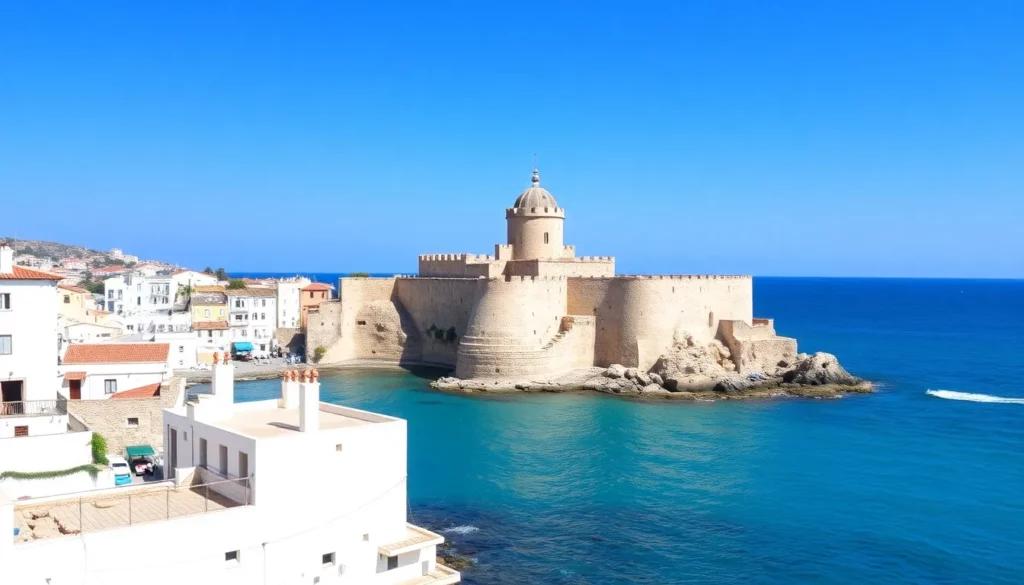
Dominating the waterfront, this 15th-century fortress offers insights into the town’s defensive history against Ottoman invasions. The castle houses exhibitions and provides panoramic views from its ramparts. It is suitable for history enthusiasts and families, with guided tours often available during high season.
Historic Center and Walls
Wandering the narrow streets of the old town reveals Baroque palaces, quaint shops, and ancient city walls. The atmosphere is particularly enchanting in the evening when the streets are illuminated. This area is best explored on foot, allowing for spontaneous discovery of cafes and artisan boutiques.
Baia dei Turchi
Located just north of the town, this protected beach is known for its fine white sand and clear waters surrounded by Mediterranean scrub. It is accessible via a walking path through the woods or by local bus during summer. It is a top choice for families and nature lovers seeking a scenic swimming spot.
Lighthouse of Otranto
Situated near the castle, the lighthouse marks the easternmost point of Italy. While interior access may be restricted, the surrounding promenade offers excellent photo opportunities and views of the Adriatic and Ionian seas meeting. It is a popular spot for sunset walks.
Grotta della Poesia
Located in the nearby archaeological area of Roca Vecchia, this natural swimming pool carved into the rock is steeped in legend. Access involves a short hike or drive from Otranto. It is best visited early in the day to avoid crowds, and swimming ability is recommended as entry involves steps into the water.
Where to Eat
Otranto’s cuisine reflects the broader Pugliese tradition, emphasizing fresh seafood, vegetables, and olive oil. Local specialties include orecchiette pasta, often served with turnip tops or tomato sauce, and frisella, a hard dry bread softened with water and topped with tomatoes. Seafood dishes like grilled fish, mussels, and sea urchins are common along the waterfront. For breakfast or snacks, try pasticciotto, a custard-filled pastry typical of the region. Wine pairing often involves local varieties such as Negroamaro or Primitivo. Meal times generally follow Italian customs, with lunch served around 1:30 PM and dinner after 8:00 PM. Many kitchens close between lunch and dinner service, so planning ahead is advisable. Markets and grocery stores offer fresh produce for self-catering, though restaurant dining is widely available in the historic center and along the coast.
Where to Stay
Accommodation options vary by location and traveler needs. Staying within the historic center offers immediate access to restaurants and sights but may involve noise during summer nights and limited parking. This area suits couples and visitors without a car. Outlying neighborhoods and agriturismi (farm stays) in the countryside provide quieter environments and easier parking, ideal for families and those with vehicles. Beachfront properties are available north and south of town, offering direct sea access but requiring transport to reach the town center. Budget travelers might find better value in nearby towns connected by bus, while luxury seekers can find high-end resorts along the coast. Regardless of location, booking well in advance is crucial for July and August stays.
Suggested Itinerary
2-Day Highlights
Day 1: Arrive and settle in. Spend the morning exploring the Historic Center and visiting the Cathedral. Enjoy lunch in the old town. Afternoon visit to the Aragonese Castle and walk along the city walls. Evening dinner by the waterfront.
Day 2: Morning trip to Baia dei Turchi for swimming and relaxation. Return to town for lunch. Afternoon visit to the Lighthouse and leisure shopping. Departure or evening stroll.
4-Day Relaxed Stay
Day 1: Arrival and Historic Center exploration. Cathedral and Castle visits. Evening aperitivo in the piazza.
Day 2: Beach day at Baia dei Turchi or nearby coves. Relax and enjoy seafood lunch.
Day 3: Day trip to Grotta della Poesia and Roca Vecchia archaeological site. Return for dinner in Otranto.
Day 4: Morning leisure or additional beach time. Visit local markets. Departure or transfer to next destination.
Local Etiquette & Practical Tips
Visitors should dress modestly when entering churches, covering shoulders and knees. Tipping is not mandatory but leaving small change or rounding up the bill is appreciated for good service. Greetings typically involve a polite buongiorno (good morning) or buonasera (good evening). Credit cards are widely accepted, but carrying some cash is useful for small vendors or markets. The afternoon riposo (siesta) may see some shops close between 1:00 PM and 4:00 PM. Safety is generally good, but standard precautions against pickpocketing in crowded areas apply. Tap water is usually safe to drink, but bottled water is common. Accessibility varies, with newer areas being more accommodating than the historic core. Always verify opening hours for attractions, as they may change seasonally.
Day Trips from Otranto
Lecce: Known as the Florence of the South, Lecce features exceptional Baroque architecture and is about 40 minutes away by car or bus. Ideal for a full-day cultural excursion.
Santa Maria di Leuca: The southernmost tip of Italy where the Adriatic and Ionian seas meet. Famous for its lighthouse and sanctuary. Approximately 45 minutes by car.
Gallipoli: A historic island town with a vibrant old center and castle. About 50 minutes away by car, suitable for history and beach combinations.
Grotta della Poesia: While close enough for a half-day trip, it warrants dedicated time for hiking and swimming. Located near Roca Vecchia.
Castro Marina: Known for its cliffs and sea caves, offering boat tours. Roughly 30 minutes south by car.
Corso Italia and Surrounds: While in Otranto, exploring the immediate hinterland villages offers authentic rural experiences without long travel times.
FAQ
Is Otranto worth visiting?
Yes, Otranto is worth visiting for its unique blend of historic architecture, significant religious art, and access to some of Italy's clearest beaches.
How many days do you need in Otranto?
Two days are sufficient for the town's highlights, but four days allow for a relaxed pace and exploration of nearby beaches and attractions.
Is Otranto safe and walkable?
Otranto is generally safe for tourists and the historic center is highly walkable, though a car is recommended for accessing surrounding beaches and day trips.

Leave a Reply