
Short Answer
What Is Asino, Asina? Italian Meat Dish Explained
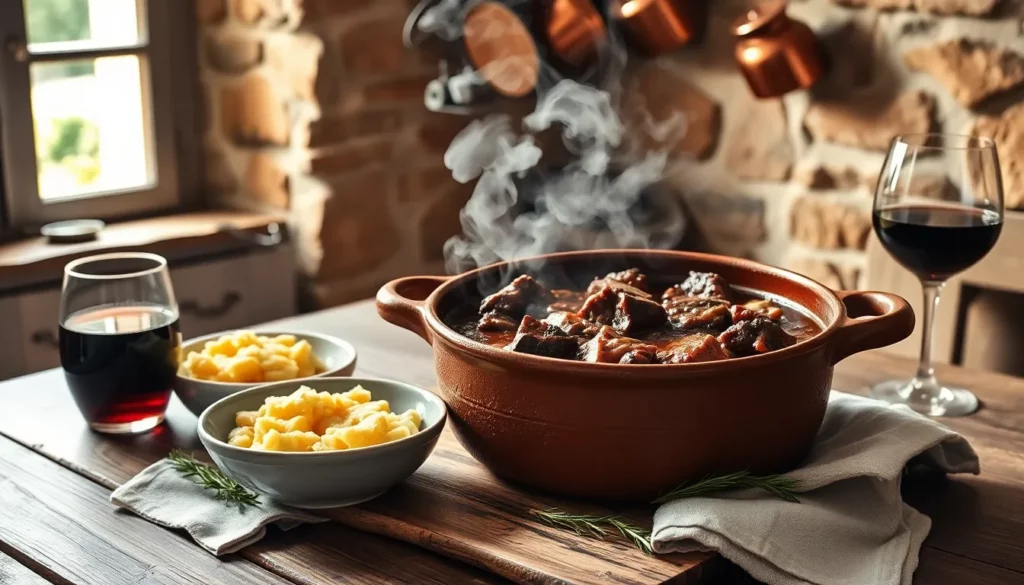
Asino, Asina refers to a traditional Italian dish made from donkey meat (carne d’asino or carne d’asina). While the term can generically indicate any donkey-based preparation, it most commonly denotes a slow-cooked stew or braised dish originating from the central Italian regions of Marche and Umbria. The key ingredients include donkey meat (typically from the shoulder or leg), red wine, tomatoes, onions, carrots, celery, garlic, and aromatic herbs such as rosemary and bay leaves. The dish is characterized by its deep, savory flavor and tender texture, achieved through long, gentle cooking. Asino, Asina is a classic example of Italian cucina povera (peasant cooking), where tougher cuts of meat are transformed into a rich, satisfying meal.
Origin & History
The consumption of donkey meat in Italy dates back to ancient times, but the specific preparation known as Asino, Asina emerged in the rural areas of the Marche and Umbria regions during the 19th century. Donkeys were widely used as working animals in agriculture, and when they grew old or could no longer work, their meat was utilized as a source of protein for peasant families. The meat is lean and somewhat tough, so it required long, slow cooking with wine and aromatics to become tender. Over time, this practical necessity evolved into a cherished regional specialty. Historical records from the late 1800s mention asino in umido (donkey stew) in cookbooks from the Marche region. Unlike myths that suggest donkey meat was only eaten out of poverty, it was actually valued for its unique flavor and nutritional qualities. Today, Asino, Asina is celebrated as a symbol of rustic Italian gastronomy and is often featured in local festivals, such as the Sagra dell’Asino in the town of Cingoli (Marche).
What’s In It
The core ingredients of Asino, Asina are simple but carefully combined to create a complex dish. The primary component is donkey meat, usually cut into chunks. The meat is marinated overnight in red wine (often a local Sangiovese or Montepulciano) with garlic, rosemary, and bay leaves. The cooking process begins by browning the meat in olive oil, then adding a soffritto of finely chopped onion, carrot, and celery. Tomato passata or crushed tomatoes are added, along with the marinade liquid. The stew is simmered gently for 2–3 hours until the meat is fork-tender. Some variations include a splash of vinegar or a pinch of cinnamon for depth. The dish is typically seasoned with salt and black pepper. It is important to note that Asino, Asina is not a pasta dish, nor is it a cured meat like salami; it is a slow-cooked stew. It differs from similar Italian meat dishes such as spezzatino (beef stew) by using donkey meat, which has a leaner, slightly sweeter flavor profile.
Regional Variations
While the core preparation remains consistent, Asino, Asina varies across central Italy. Below is a comparison of three major regional interpretations:
| Region | Key Characteristics | Typical Accompaniments |
|---|---|---|
| Marche | Uses a generous amount of red wine (often Rosso Piceno); includes tomato passata; sometimes adds a pinch of cinnamon or cloves. The stew is thick and rich. | Served with polenta (soft or grilled) or crespelle (savory crêpes). Also paired with verdure sott’olio (vegetables preserved in oil). |
| Umbria | Less tomato, more wine; often includes a small amount of bitter chocolate or cocoa powder for depth. The meat is sometimes cooked with pecorino rind for extra flavor. | Accompanied by fettuccine or pappardelle pasta, or simply with crusty bread. Also served with roasted potatoes. |
| Lazio | Influenced by Roman cuisine; uses white wine instead of red in some versions; includes anchovies or capers for a savory punch. The stew is lighter and more brothy. | Often served as a secondo with contorno of sautéed greens (e.g., chicory or broccoli rabe). |
How It’s Traditionally Eaten
Asino, Asina is traditionally served as a secondo piatto (main course) in a multi-course Italian meal. It follows the primo (pasta or soup) and is often accompanied by a contorno (side dish) such as roasted potatoes, sautéed greens, or a simple salad. The stew is also commonly paired with polenta, which soaks up the rich sauce. In the Marche region, it is sometimes served with crespelle (thin crêpes) or gnocchi. Asino, Asina is considered a everyday dish for rural families, but it also appears on holiday tables, especially during autumn and winter festivals. It is often enjoyed with a robust red wine from the same region, such as Rosso Piceno or Montepulciano d’Abruzzo. The dish is typically eaten with a fork, and the sauce is never wasted—bread is used to mop up every last drop.
Common Mistakes / What It’s Not
One frequent misconception, especially among American-Italian diners, is that Asino, Asina is a type of pasta dish or a cured meat like prosciutto. In reality, it is a slow-cooked stew. Another mistake is assuming the meat is gamey or unpleasant; properly prepared donkey meat is mild and tender, similar to beef but leaner. Some people confuse it with asino alla cacciatora (hunter-style donkey), which is a different preparation with mushrooms and herbs. It is also not a dish that should be rushed—the long cooking time is essential to break down the connective tissue. Finally, Asino, Asina is not a common item on tourist menus; it is a regional specialty best sought in local trattorie or during sagre (food festivals) in central Italy.
Where to Try It / What to Order
To experience authentic Asino, Asina, travelers should head to the Marche or Umbria regions. In Marche, the town of Cingoli hosts the annual Sagra dell’Asino in August, where the dish is the star. In Umbria, look for it in Norcia or Spoleto during autumn festivals. Recommended restaurants include Trattoria da Gianni in Cingoli and Osteria del Borgo in Spoleto. When ordering, ask for asino in umido or asina alla marchigiana. If you are not in Italy, some Italian specialty butcher shops may carry donkey meat; you can prepare it at home using a traditional recipe. For a first-time experience, pair it with a glass of Rosso Piceno and a side of polenta.
Related Dishes
- Spezzatino (Italian Beef Stew)
- Coda alla Vaccinara (Oxtail Stew)
- Pollo alla Cacciatora (Hunter-Style Chicken)
- Brasato al Barolo (Braised Beef in Barolo)
- Stracotto (Pot Roast)
FAQ
What is Asino, Asina made of?
Asino, Asina is made from donkey meat (typically from the shoulder or leg), slow-cooked with red wine, tomatoes, onions, carrots, celery, garlic, and herbs like rosemary and bay leaves.
Where does Asino, Asina originate from?
It originates from the central Italian regions of Marche and Umbria, where it was developed as a cucina povera dish in the 19th century.
How is Asino, Asina traditionally served?
It is served as a secondo piatto (main course), often accompanied by polenta, crusty bread, or pasta, and paired with a robust red wine from the same region.
Is Asino, Asina a pasta dish?
No, it is a slow-cooked stew, not a pasta dish. It is sometimes served with pasta as a side, but the main component is the meat.
Does donkey meat taste gamey?
No, properly prepared donkey meat is mild and tender, similar to beef but leaner. The long cooking process removes any strong flavors.
Leave a Reply