
Short Answer
What Is Fragole? Italian Ingredient Explained
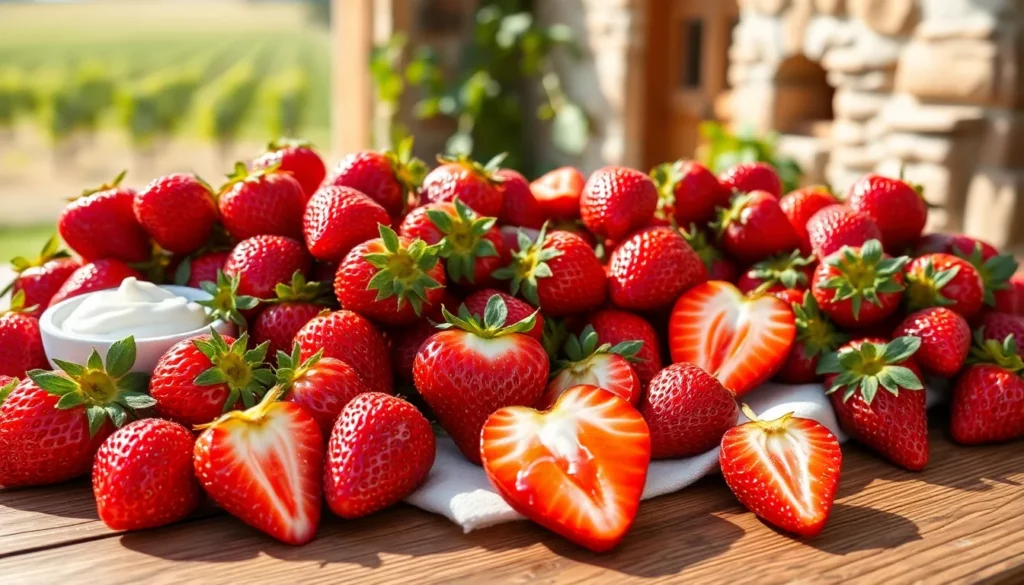
Fragole (pronounced FRAH-go-leh) is the Italian word for strawberries, but in the context of Italian cuisine, it refers to both the wild woodland strawberry (Fragaria vesca) and the larger cultivated garden strawberry (Fragaria × ananassa). These ruby-red berries are a quintessential summer ingredient, prized for their intense fragrance, balanced sweetness, and versatility. While strawberries are enjoyed worldwide, Italian Fragole hold a special place due to the country’s rich biodiversity, with prized varieties such as Fragoline di Bosco (tiny wild strawberries) and Fragola di Nemi (a protected IGP variety from Lazio). They are used in everything from simple fragole con panna (strawberries and cream) to elegant tarts, gelato, and even savory pairings with aged balsamic vinegar or black pepper.
Origin & History
The history of Fragole in Italy is deeply intertwined with the country’s agricultural and culinary evolution. Wild strawberries (Fragaria vesca) have grown in the Italian peninsula since ancient times. The Romans cultivated them for medicinal and culinary uses, though they were smaller and less sweet than modern varieties. The turning point came in the 18th century when the garden strawberry (Fragaria × ananassa) was developed in France from crosses between North American and Chilean species. This new hybrid quickly spread to Italy, where it thrived in regions like Emilia-Romagna, Campania, and Lazio. By the 19th century, strawberries became a symbol of spring and summer, celebrated in literature and art. A unique cultural anecdote: the town of Nemi, near Rome, is famous for its Fragola di Nemi, a small, intensely flavored strawberry that has been cultivated since the 16th century and is protected by the IGP (Indicazione Geografica Protetta) designation. Today, Italy is one of Europe’s top strawberry producers, with regions like Basilicata, Sicily, and Piedmont contributing to a diverse harvest from March to October.
What’s In It
Fragole are defined by their core ingredients: the fruit itself, which can be either wild or cultivated. The key components are:
- Fragoline di Bosco – Tiny, intensely aromatic wild strawberries, often foraged or cultivated in mountainous areas.
- Fragola di Nemi – A small, conical, deep-red strawberry with a unique perfume, grown in the volcanic soil of the Castelli Romani.
- Fragola di Verona – A larger, sweeter variety from the Veneto region, often used in desserts.
- Fragola di Basilicata – Known for its elongated shape and high sugar content, ideal for jams.
Preparation nuances: Italian strawberries are typically eaten fresh and at room temperature to maximize flavor. They are often macerated with a little sugar and lemon juice to draw out their juices, or paired with balsamic vinegar (especially from Modena) to enhance sweetness. Unlike some American preparations, Italian Fragole are rarely coated in chocolate or used in heavy syrups; the focus is on the fruit’s natural taste. This differentiates them from similar-sounding dishes like fragole con panna (which is simply strawberries with whipped cream) or fragole al limone (strawberries with lemon and sugar).
Regional Variations
Fragole are celebrated differently across Italy, reflecting local terroir and culinary traditions. Below is a comparison of three major regions:
| Region | Variety | Typical Preparation | Cultural Context |
|---|---|---|---|
| Lazio | Fragola di Nemi (IGP) | Eaten fresh with a sprinkle of sugar and a squeeze of lemon; also used in torta di fragole (strawberry tart) and gelato. | Annual Sagra delle Fragole (Strawberry Festival) in Nemi, where the fruit is celebrated with parades and tastings. |
| Emilia-Romagna | Fragola di Verona (also grown in Veneto) | Macerated with balsamic vinegar from Modena and served with gelato alla vaniglia or as a topping for tortellini (savory-sweet pairing). | Strawberries are often paired with aged balsamic, a regional specialty, creating a balance of sweet and tangy. |
| Basilicata | Fragola di Basilicata (IGP) | Used for high-quality jams and preserves; also eaten fresh with a drizzle of local olive oil and black pepper. | The strawberry harvest in the Metaponto plain is a major economic activity, with festivals in Bernalda and Pisticci. |
Other notable variations include Sicily, where strawberries are often paired with ricotta and pistachio in cannoli or granita, and Piedmont, where they are used in zabaione or with Moscato d’Asti wine.
How It’s Traditionally Eaten
In Italian dining, Fragole are almost always served as a dessert (dolce) or a snack (merenda). They are rarely used in savory main courses, though exceptions exist (e.g., strawberry and balsamic glaze on grilled meats). The classic presentation is fragole con panna: fresh strawberries macerated in sugar and lemon juice, topped with lightly sweetened whipped cream. Another traditional way is fragole al limone, where the berries are simply dressed with lemon juice and sugar. For a more sophisticated touch, they are paired with aged balsamic vinegar (from Modena) or a splash of Moscato wine. On special occasions, such as Festa della Repubblica (June 2) or summer weddings, strawberries are used in elaborate torte (cakes) or crostata (jam tarts). Everyday consumption is simple: a bowl of washed strawberries eaten out of hand, often with a sprinkle of sugar if the berries are not perfectly ripe.
Common Mistakes / What It’s Not
One frequent misconception, especially among American-Italian diners, is that Fragole are always served with heavy cream or chocolate. In Italy, the fruit is allowed to shine on its own; heavy cream is used sparingly, and chocolate is rarely paired with fresh strawberries (except in some modern desserts). Another mistake is confusing fragole with lamponi (raspberries) or more (blackberries) – they are distinct in flavor and texture. Additionally, some tourists expect strawberries to be available year-round, but Italian Fragole are strictly seasonal (spring to early autumn). The best quality comes from local, in-season harvests. Finally, avoid washing strawberries too early or removing the stems until just before eating, as this can cause them to become waterlogged and lose flavor. The Italian approach is to rinse them gently and pat dry, then hull only when ready to serve.
Where to Try It / What to Order
To experience authentic Fragole, visit Italy during the strawberry season (April to June for most varieties, with some later harvests). Key destinations include:
- Nemi (Lazio) – The Sagra delle Fragole in June offers tastings of the local IGP variety, along with strawberry-themed dishes.
- Verona (Veneto) – Local markets sell the sweet Fragola di Verona; try it at a gelateria as gelato alla fragola.
- Metaponto (Basilicata) – Visit during the strawberry harvest (May-June) for fresh berries and artisanal jams.
- Modena (Emilia-Romagna) – Order fragole con aceto balsamico at a traditional trattoria.
When ordering, ask for fragole fresche (fresh strawberries) or fragole con panna if you want the classic dessert. For a unique experience, request fragole al balsamico – a simple yet sublime pairing.
Related Dishes
FAQ
What is the difference between Fragole and Fragoline?
Fragole generally refers to the larger cultivated garden strawberries (Fragaria × ananassa), while Fragoline (or Fragoline di Bosco) are the tiny, intensely flavored wild strawberries (Fragaria vesca). Fragoline are often more expensive and prized for their perfume.
How are Fragole traditionally served in Italy?
The most traditional way is fragole con panna: fresh strawberries macerated with sugar and lemon juice, topped with lightly sweetened whipped cream. They are also served simply with lemon and sugar, or paired with aged balsamic vinegar.
When is strawberry season in Italy?
Peak strawberry season in Italy runs from April to June, though some varieties (especially in southern regions) can extend into October. The best time to enjoy local Fragole is during spring and early summer.
Are Fragole used in savory dishes?
Rarely, but there are exceptions. In Emilia-Romagna, strawberries are sometimes paired with aged balsamic vinegar and served with grilled meats or cheese. In modern cuisine, they may appear in salads with arugula and Parmigiano-Reggiano.
What is the best way to store fresh Fragole?
Store unwashed strawberries in the refrigerator in a single layer on a paper towel-lined container, covered loosely. Wash only just before eating to prevent mold and waterlogging.

Leave a Reply