
Short Answer
What Is Culatello? Italian Cured Meat Explained
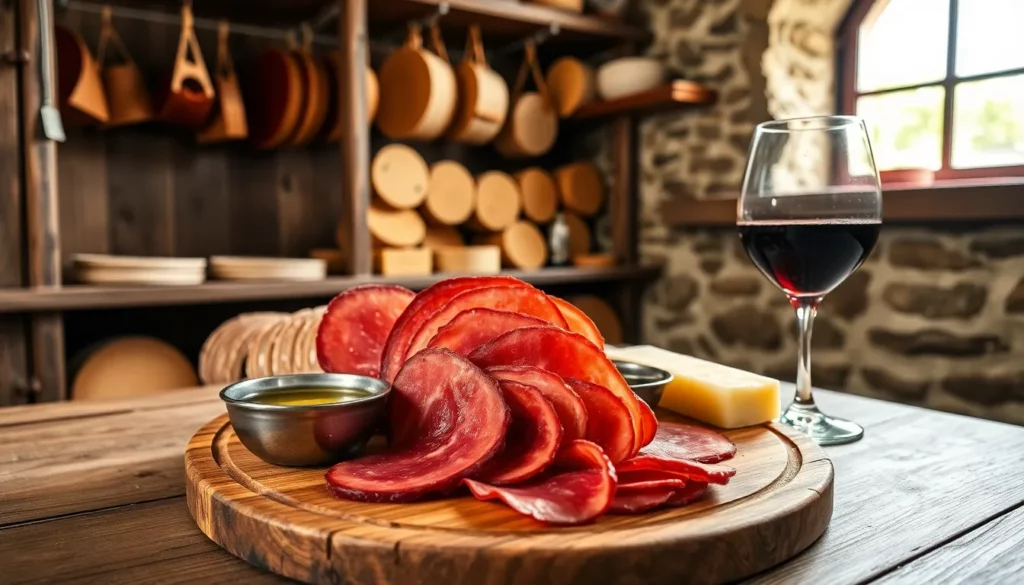
Culatello is a dry-cured, whole-muscle salumi from the Emilia-Romagna region of northern Italy, specifically the area around Zibello in the province of Parma. It is made from the culatello muscle, a portion of the pig’s hind leg that is separated from the prosciutto, trimmed of excess fat, seasoned with salt, pepper, garlic, and sometimes wine, then encased in a natural bladder and aged for a minimum of 10 months, often up to 30 months. The result is a tender, ruby-red meat with a delicate, sweet, and slightly nutty flavor, prized as one of Italy’s finest cured meats. Culatello di Zibello holds a Denominazione di Origine Protetta (DOP) status, ensuring its authenticity and traditional production methods.
Origin & History
Culatello’s origins trace back to the Po River Valley in Emilia-Romagna, particularly the towns of Zibello, Polesine Parmense, and Busseto. Historical records suggest that culatello was developed during the Middle Ages as a way to preserve pork without the use of modern refrigeration. The unique microclimate of the region—foggy winters and humid summers—creates ideal conditions for aging. A famous anecdote involves the composer Giuseppe Verdi, a native of Busseto, who was said to be a great lover of culatello and often received it as a gift. Despite its long history, culatello was relatively unknown outside its region until the late 20th century, when it began to gain international recognition. Today, it is celebrated as a symbol of artisanal Italian food culture.
What’s In It
The core ingredients of culatello are simple: pork (specifically the culatello muscle from heavy pigs, typically Large White, Landrace, or Duroc breeds), sea salt, black pepper, garlic, and sometimes a splash of local red wine (e.g., Lambrusco or Bonarda). The preparation involves careful trimming of the muscle to remove sinew and excess fat, then massaging with the seasoning mixture. The meat is then stuffed into a natural casing (often a pig’s bladder) and tied with string. The aging process takes place in cool, humid cellars, where the culatello loses about 30% of its weight. Unlike prosciutto, which includes the entire leg and is bone-in, culatello is boneless and smaller, making it more tender and quicker to age. It is also distinct from coppa (made from the neck) and pancetta (from the belly).
Regional Variations
While Culatello di Zibello DOP is the most famous, similar cured meats exist in other regions, though they differ in production and flavor. Below is a comparison:
| Region | Name | Key Differences |
|---|---|---|
| Emilia-Romagna (Zibello) | Culatello di Zibello DOP | Made from the culatello muscle; aged 10–30 months; sweet, delicate flavor; DOP certification. |
| Lombardy (Mantua) | Culatello di Mantova | Similar but often uses different pig breeds; may be aged slightly less; less strict regulations. |
| Piedmont | Fiocchetto | Made from a different muscle (the fiocchetto); smaller; more intense flavor; often smoked. |
| Veneto | Bondiola | Made from pork shoulder; coarser texture; seasoned with spices like cinnamon and cloves. |
These variations reflect local traditions and available ingredients, but none achieve the same prestige as Culatello di Zibello.
How It’s Traditionally Eaten
Culatello is typically served as an antipasto (starter), often accompanied by other cured meats, cheeses (like Parmigiano-Reggiano), and bread. It is sliced very thin, preferably by hand with a sharp knife, and served at room temperature to allow the flavors to develop. Traditional pairings include a drizzle of extra-virgin olive oil, a few drops of balsamic vinegar, or a glass of Lambrusco or a full-bodied red wine like Barbera. Culatello is also used in pasta dishes (e.g., tortellini with culatello) or as a filling for ravioli, but purists prefer it on its own. It is a festive food, often reserved for special occasions like Christmas, Easter, or family celebrations, though it can be enjoyed year-round.
Common Mistakes / What It’s Not
One common mistake is confusing culatello with prosciutto crudo. While both come from the pig’s hind leg, prosciutto includes the entire leg and is bone-in, whereas culatello is a specific muscle, boneless, and more tender. Another misconception is that culatello is smoked; it is not—it is air-dried. Some American-Italian adaptations use culatello as a pizza topping or in heavy sauces, which masks its delicate flavor. Culatello is not a cooked meat; it is raw and cured. It should not be served cold from the refrigerator; allow it to come to room temperature. Finally, not all culatello is DOP; look for the official seal to ensure authenticity.
Where to Try It / What to Order
To experience authentic culatello, visit the Zibello area in Emilia-Romagna, where you can tour aging cellars and taste at local salumerie. Notable producers include Antica Corte Pallavicina, La Bassa, and Salumeria di Parma. In Italy, order “Culatello di Zibello” as an antipasto. Outside Italy, look for it at high-end Italian delis or restaurants specializing in regional cuisine. The annual Culatello Festival in Zibello (usually in September) is a great opportunity to sample various ages and producers. When ordering, ask for the age (stagionatura) and whether it is DOP. Pair with a glass of local Lambrusco or a still red like Bonarda.
Related Dishes
FAQ
What is the difference between culatello and prosciutto?
Culatello is made from a specific muscle (the culatello) of the pig's hind leg, while prosciutto uses the entire leg. Culatello is boneless, smaller, and aged for a shorter period (10–30 months vs. 12–36 months for prosciutto). It has a more tender texture and a sweeter, more delicate flavor.
How should I store culatello?
Store whole culatello in a cool, dry place (10–15°C) wrapped in a cloth. Once sliced, consume within a few days. Refrigerate only if necessary, but bring to room temperature before serving. Avoid freezing, as it damages the texture.
Is culatello safe to eat raw?
Yes, culatello is a raw, cured meat that is safe to eat because the aging process reduces moisture and creates an environment that inhibits harmful bacteria. It is not cooked, but the salt and drying preserve it.
Can I find culatello outside Italy?
Yes, but look for the DOP seal to ensure authenticity. High-end Italian delis and specialty food stores in major cities often carry it. Online retailers also ship internationally.
What wine pairs best with culatello?
Traditional pairings include Lambrusco (a sparkling red from Emilia-Romagna) or a still red like Bonarda or Barbera. The wine should have good acidity to cut through the fat and complement the meat's sweetness.


Leave a Reply