Short Answer
What It Is
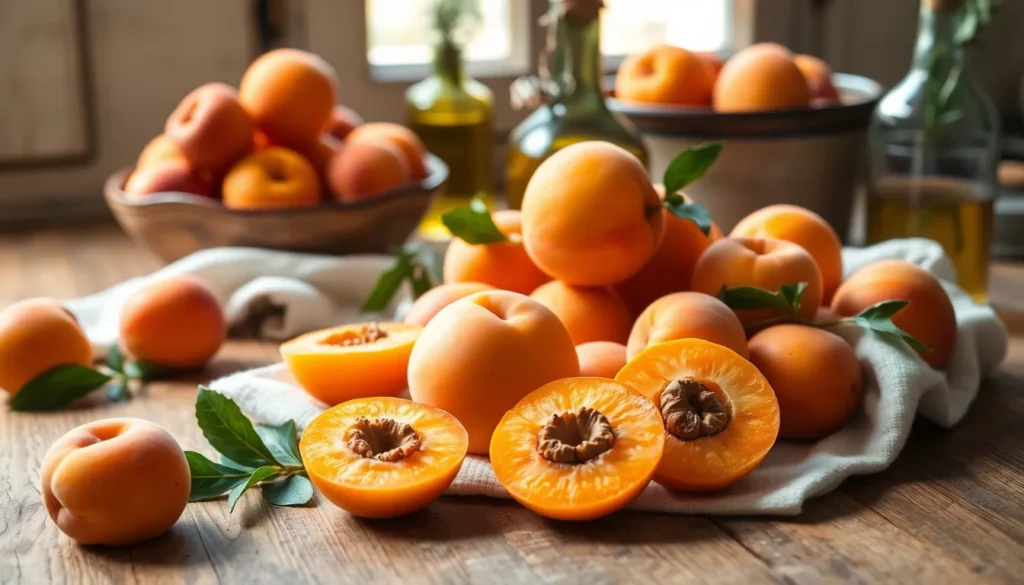
Albicocca is the Italian name for the apricot (Prunus armeniaca), a stone fruit that has been cultivated in Italy for centuries. Although the apricot originated in Central Asia and was introduced to Europe via Persia and Armenia, Italy quickly became one of the primary producers in the Mediterranean. Today, Italian apricots are celebrated for their intense flavor, aromatic sweetness, and firm texture, thanks to the country’s diverse microclimates and traditional growing methods.
The production of Albicocca is concentrated in several regions, each with its own unique terroir. The most notable are Liguria, Sicily, Veneto, and Campania. In recognition of their quality and geographical distinctiveness, three varieties have received Protected Geographical Indication (PGI) status from the European Union:
- Albicocca di Valleggia (PGI) – Grown in the hills of Liguria, this small, intensely flavored apricot is prized for its high sugar content and aromatic complexity. The production area is limited to the municipalities of Valleggia and nearby towns.
- Albicocca di Scillato (PGI) – Hailing from the Sicilian province of Palermo, this variety is known for its large size, deep orange color, and sweet, juicy flesh. The volcanic soils and Mediterranean climate contribute to its distinctive taste.
- Albicocca di Padova (PGI) – Cultivated in the Veneto region, this apricot offers a balanced sweet-tart flavor and a firm texture that holds up well in cooking. It is often used in traditional Venetian desserts.
These PGI certifications ensure that the fruit is produced, processed, and prepared within the specified geographical area according to strict traditional methods. The Italian Ministry of Agricultural Policies oversees the disciplinary regulations, guaranteeing authenticity and quality for consumers and chefs alike.
Types & Grades
Italian apricots are classified by variety, ripeness stage, and intended use. The following table summarizes the main PGI varieties and their characteristics:
| Variety | Region | Characteristics | Best Use |
|---|---|---|---|
| Albicocca di Valleggia (PGI) | Liguria | Small, golden-orange, intense aroma, high sugar content | Preserves, jams, fresh eating |
| Albicocca di Scillato (PGI) | Sicily | Large, deep orange, very sweet, juicy | Fresh consumption, desserts |
| Albicocca di Padova (PGI) | Veneto | Medium, balanced sweet-tart, firm flesh | Cooking, baking, tarts |
Beyond PGI varieties, other notable Italian cultivars include Reale di Imola (Emilia-Romagna), Boccuccia (Campania), and Vitillo (Basilicata). These are often sold at local markets and are highly regarded for their unique flavors.
Grades of Albicocca are determined by ripeness and processing:
- Fresh, ripe – Ideal for eating out of hand, with a soft texture and full sweetness.
- Underripe – Firmer and more tart, used in cooking, poaching, or making compotes.
- Overripe – Very soft and sweet, perfect for jams, purees, and baking.
- Dried (Albicocca Secca) – Sun-dried or oven-dried, concentrated flavor, used in pastries, granola, or as a snack. Some dried apricots are treated with sulfur dioxide to preserve color; natural unsulfured varieties are preferred for traditional recipes.
How It’s Used in Cooking
Albicocca is a versatile ingredient in Italian cuisine, appearing in both sweet and savory dishes. Its natural sweetness and acidity make it a favorite for balancing rich flavors.
Sweet Applications
- Crostata di Albicocche – A classic Italian tart filled with apricot jam or fresh apricots, often topped with a lattice crust.
- Gelato e Sorbetto – Apricot gelato is a summer staple, while sorbetto offers a refreshing dairy-free option.
- Biscotti – Dried apricots are chopped and added to biscotti or amaretti for a chewy texture.
- Panna Cotta – A layer of apricot compote or coulis adds a bright contrast to the creamy dessert.
Savory Pairings
- Prosciutto e Albicocca – Thin slices of prosciutto wrapped around fresh apricot halves, drizzled with balsamic vinegar.
- Risotto all’Albicocca – A Venetian specialty where apricots are cooked into risotto with shallots, white wine, and Parmesan, finished with fresh herbs.
- Agrodolce Sauce – Apricots are simmered with vinegar, sugar, and spices to create a sweet-and-sour sauce served with roasted meats or vegetables.
- Stuffed Apricots – Halved apricots filled with gorgonzola or ricotta and baked as an appetizer.
“L’albicocca è il sole della tavola italiana” – traditional saying meaning “The apricot is the sun of the Italian table.”
How to Choose/Identify Authentic ALBICOCCA
For chefs and home cooks seeking genuine Italian apricots, the following cues ensure authenticity:
- Look for PGI labels – The European PGI logo and the specific name (e.g., “Albicocca di Valleggia IGP”) guarantee origin and production standards.
- Check the origin – Authentic Italian apricots are sold with clear indication of the region (e.g., “Prodotto in Liguria”). Avoid generic “apricots” without provenance.
- Seasonality – Fresh Italian apricots are available from late May to July. Out-of-season fruit is likely imported or stored.
- Appearance – Look for firm, unblemished fruit with a deep orange color and a slight blush. The skin should be velvety, not wrinkled.
- Aroma – A strong, sweet fragrance indicates ripeness and flavor. Bland-smelling apricots are often underripe or tasteless.
- For dried apricots – Choose unsulfured varieties (brownish in color) for a more natural taste. Sulfured apricots are bright orange but may have a chemical aftertaste.
When purchasing from Italian markets or specialty stores, ask for the specific PGI variety and check the packaging for the official seal. Reputable producers often include a QR code linking to the consorzio’s traceability information.
Substitutes
If Albicocca is unavailable, several Italian fruits can serve as substitutes, depending on the dish:
- Pesca (Peach) – Similar texture and sweetness, ideal for fresh eating, tarts, and jams. Peaches are slightly more watery, so adjust cooking times.
- Susina (Plum) – Good for baking and savory sauces, especially when a tarter flavor is desired. Plums hold their shape well in tarts.
- Fichi (Figs) – Best for dried fruit applications or pairing with cheese. Figs offer a honey-like sweetness and a soft texture.
- Mela (Apple) – For compotes and purees, apples provide a neutral base that can be flavored with lemon and sugar to mimic apricot’s acidity.
In traditional Italian recipes, the substitute should match the intended role: for example, use peaches in a crostata if apricots are out of season, or plums in an agrodolce sauce for a similar sweet-sour balance.
In conclusion, Albicocca represents the pinnacle of Italian stone fruit cultivation, with PGI varieties offering unparalleled quality and regional identity. Whether enjoyed fresh, dried, or cooked, these golden gems bring the essence of Italian summer to the table. Understanding their origins, grades, and culinary applications allows chefs and food enthusiasts to select and use them with confidence, honoring centuries of tradition.
FAQ
What is the difference between Albicocca and common apricot?
Albicocca is simply the Italian word for apricot, but in culinary contexts it often refers to Italian-grown varieties, especially those with PGI certification. These apricots are cultivated in specific regions under strict traditional methods, resulting in superior flavor, aroma, and texture compared to generic imported apricots.
How should I store fresh Albicocca?
Store fresh Albicocca at room temperature if you plan to eat them within a day or two. For longer storage, refrigerate them in a single layer in the crisper drawer, but bring them to room temperature before serving to restore flavor. Avoid washing until just before use to prevent spoilage.
Can I use Albicocca in savory dishes?
Absolutely. Albicocca pairs beautifully with prosciutto, cheese, and roasted meats. It is also used in agrodolce sauces, risottos, and stuffed appetizers. Its natural sweetness and acidity balance rich, savory flavors, making it a versatile ingredient beyond desserts.
Leave a Reply