
Short Answer
What Is Acqua pazza? Italian Fish Stew Explained
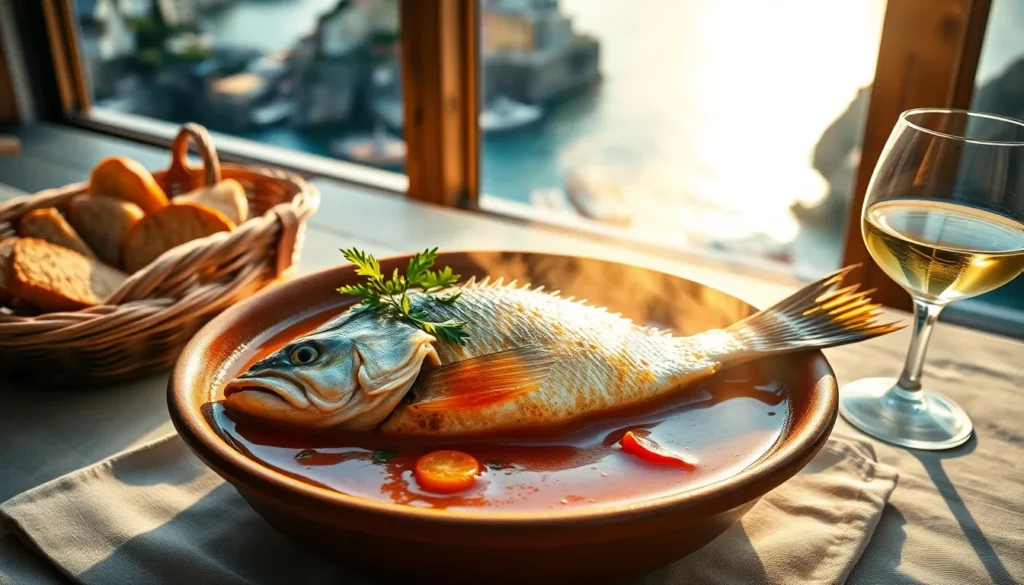
Acqua pazza (pronounced AHK-wah PAHT-sah) is a traditional Italian fish stew originating from the coastal region of Campania, particularly the Gulf of Naples and the Amalfi Coast. The name translates literally to “crazy water,” a whimsical reference to the lively bubbling of the broth as the fish cooks. At its core, Acqua pazza is a simple preparation: fresh white fish—such as sea bass, bream, or cod—is gently poached in a light broth made from tomatoes, extra virgin olive oil, garlic, parsley, and a splash of white wine. The result is a delicate, aromatic dish that celebrates the natural flavors of the sea. Unlike heavier fish soups, Acqua pazza is prized for its clarity and restraint, making it a quintessential example of the Italian culinary philosophy of letting high-quality ingredients speak for themselves.
Origin & History
The precise origins of Acqua pazza are shrouded in the folklore of Campanian fishing villages. The most widely accepted narrative places its birth among the fishermen of Naples and the Sorrentine Peninsula during the 18th or 19th century. According to local legend, fishermen would prepare a quick meal on their boats using the day’s catch, seawater, tomatoes, and wild herbs—a rustic, improvised stew that required no elaborate pantry. The term “pazza” (crazy) is thought to describe the effervescent, almost chaotic bubbling of the water as the fish cooked, or perhaps the audacity of using such simple ingredients to create something so delicious. Another theory links the name to the “crazy” idea of cooking fish in seawater, which would have been a common practice among seafaring communities. Historical documentation is sparse, but the dish appears in 19th-century Neapolitan cookbooks, solidifying its place in the regional repertoire. Unlike many Italian dishes that have been romanticized abroad, Acqua pazza remains firmly rooted in its coastal heritage, a testament to the resourcefulness of Mediterranean fishermen.
What’s In It
The beauty of Acqua pazza lies in its minimalism. Core ingredients include:
- Fresh white fish: Typically whole or filleted sea bass (spigola), sea bream (orata), or red snapper. The fish should be impeccably fresh, as it is the star.
- Tomatoes: Fresh, ripe cherry tomatoes or peeled San Marzano tomatoes, crushed or halved. They provide acidity and color without overwhelming the broth.
- Extra virgin olive oil: A generous amount, used for sautéing the aromatics and finishing the dish.
- Garlic: Sliced or minced, gently sweated in olive oil.
- Parsley: Fresh flat-leaf parsley, chopped, added at the end for brightness.
- White wine: A dry white wine, such as Vermentino or Falanghina, deglazes the pan and adds depth.
- Water or fish stock: Traditionally, seawater was used; today, a light fish stock or plain water is common.
- Salt and pepper: To taste.
Preparation nuances: The fish is often cooked whole to preserve moisture and flavor. The broth is kept thin—not thickened like a chowder. The dish is typically finished with a drizzle of raw olive oil and a sprinkle of parsley. It is not a tomato-heavy sauce; the tomatoes should barely tint the liquid. This distinguishes Acqua pazza from similar dishes like zuppa di pesce (which has a richer, more complex broth) or brodetto (which often includes vinegar and multiple types of seafood).
Regional Variations
While Campania is the heartland, Acqua pazza has spread along the Italian coast, adapting to local tastes. Below is a comparison of three major regional interpretations:
| Region | Key Characteristics | Notable Additions |
|---|---|---|
| Campania (Naples/Amalfi) | Classic version; light tomato broth, whole fish, minimal herbs. Often includes a pinch of peperoncino (red chili flakes) for gentle heat. | Cherry tomatoes, garlic, parsley, white wine. Sometimes capers or olives are added. |
| Sicily | More robust tomato presence; often uses a mix of fish and shellfish. Broth may be slightly thicker. | Capers, olives, oregano, and sometimes a splash of lemon juice. May include mussels or clams. |
| Puglia | Emphasis on local seafood like red mullet or scorpionfish. Broth is often enriched with a soffritto of onion, celery, and carrot. | Potatoes (sliced thin) added for body; sometimes a touch of tomato paste. Served with grilled bread rubbed with garlic. |
Other variations exist in Liguria (with pine nuts and basil) and Tuscany (where it may be called acqua pazza alla livornese). However, the Campanian version remains the benchmark.
How It’s Traditionally Eaten
Acqua pazza is served as a secondo piatto (main course) in a traditional Italian meal, following a primo like pasta or risotto. It is almost always accompanied by crostini or pane casareccio (rustic bread) to soak up the flavorful broth. The fish is often presented whole at the table, then filleted by the diner. A side of simply dressed salad or grilled vegetables may complete the meal. This dish is considered everyday fare in coastal regions, not reserved for holidays, though it can be elevated for special occasions by using premium fish like branzino. Wine pairings typically include a crisp, mineral-driven white wine from the same region, such as Greco di Tufo or Falanghina. In restaurants, Acqua pazza is often listed under secondi di pesce and is a popular choice for those seeking a light, healthy option.
Common Mistakes / What It’s Not
Despite its simplicity, Acqua pazza is frequently misunderstood, especially in American-Italian contexts. Common misconceptions include:
- It is not a pasta dish. Acqua pazza is a fish stew, not a sauce for pasta. Some recipes erroneously serve it over linguine, which dilutes the delicate broth.
- It is not a heavy, tomato-based soup. The broth should be translucent, not thick like marinara. Overloading with tomatoes or adding tomato paste is a mistake.
- It is not a cioppino or bouillabaisse. Those are complex, multi-seafood stews with saffron and fennel. Acqua pazza is minimalist, often using only one type of fish.
- It is not made with frozen or pre-filleted fish. Authenticity demands whole, fresh fish to retain moisture and flavor during poaching.
- It is not a quick weeknight dump-and-stir. While simple, the technique requires gentle poaching and careful timing to avoid overcooking the fish.
Corrective guidance: To experience true Acqua pazza, seek out restaurants in Campania that specialize in cucina di mare. If cooking at home, use the freshest fish possible, resist the urge to add too many ingredients, and let the broth remain light and clear.
Where to Try It / What to Order
For an authentic experience, head to the coastal towns of Campania. In Naples, try Trattoria da Nennella or Ristorante La Bersagliera in Santa Lucia. On the Amalfi Coast, Da Gemma in Amalfi and Ristorante La Caravella in Positano are renowned for their versions. In Sicily, Osteria dei Vespri in Palermo offers a refined take. When ordering, ask for acqua pazza con spigola (sea bass) or orata (sea bream). Specify that you want the fish whole (pesce intero) and request pane per la scarpetta (bread for dipping). Avoid ordering it as a pasta dish—if you see it listed under primi, confirm it is the stew, not a sauce. Travelers should also look for festival del pesce events in coastal towns, where Acqua pazza is often featured.
Related Dishes
FAQ
What does 'Acqua pazza' mean in Italian?
It translates to 'crazy water,' a name thought to refer to the lively bubbling of the broth as the fish cooks, or the 'crazy' idea of using seawater to cook fish.
Is Acqua pazza a soup or a stew?
It is best described as a light fish stew. The broth is thinner than a chowder but more substantial than a clear soup, with the fish as the main component.
Can I make Acqua pazza with frozen fish?
Authentic Acqua pazza relies on the quality of fresh fish. Frozen fish can be used in a pinch, but the texture and flavor will be inferior. Always thaw completely and pat dry before cooking.
What is the difference between Acqua pazza and zuppa di pesce?
Zuppa di pesce is a richer, more complex soup often containing multiple types of seafood and a thicker tomato base. Acqua pazza is simpler, with fewer ingredients and a lighter broth.
Is Acqua pazza gluten-free?
Yes, the dish itself is naturally gluten-free. However, it is traditionally served with bread, so those with celiac disease should request gluten-free bread or omit it.



Leave a Reply