Short Answer
Getting There
Perugia is centrally located in Italy, making it accessible from major hubs like Rome and Florence. The nearest airport is Perugia San Francesco d’Assisi – Umbria International Airport (PEG), which handles seasonal European flights and some domestic connections. For most international travelers, flying into Rome Fiumicino (FCO) or Milan Malpensa (MXP) offers more frequent options. From Rome, direct regional trains connect Roma Termini to Perugia Fontivegge station in approximately two hours. Travelers from Florence can reach Perugia via a regional train connection, often requiring a change at Terontola-Cortona, taking around 1.5 to 2 hours total. Bus services operated by companies such as Sulga and Busitalia provide direct road connections from Rome, Florence, and Bologna, often dropping passengers near the city center. Always verify current schedules and transfer requirements with official rail and bus operators before booking, as routes may change seasonally.
Getting Around
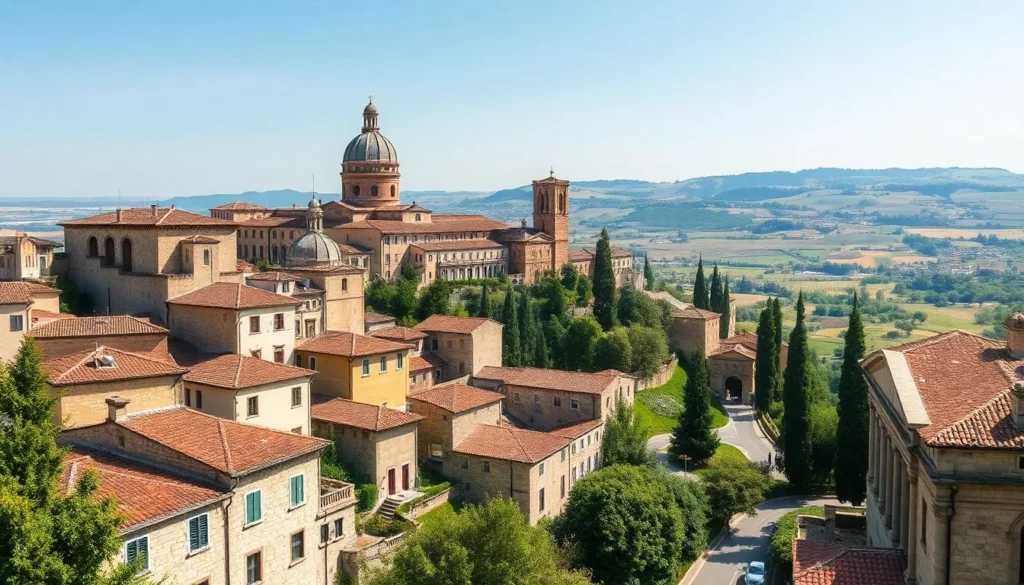
Perugia’s historic center is compact and highly walkable, though the city is built on a hill, resulting in steep streets and numerous stairs. To mitigate this, the city operates a series of public escalators and the Minimetro, a light rail system connecting the lower parking areas and train station to the upper historic core. Local buses managed by Busitalia serve the wider metropolitan area and are useful for reaching accommodations on the outskirts. Taxis are available but can be expensive for regular use. Visitors planning to drive should be aware that the historic center is a Limited Traffic Zone (ZTL), where unauthorized vehicles face heavy fines. Parking is available in designated lots outside the center, such as Piazza Partigiani or Via Pellini, often requiring a short walk or escalator ride to reach the main sights. For most visitors, a car is unnecessary within the city but useful for exploring the surrounding Umbrian countryside.
Best Time to Visit
The ideal time to visit Perugia is during the shoulder seasons of spring (April to June) and early autumn (September to October). During these months, temperatures are mild, typically ranging from 15°C to 25°C, and rainfall is moderate. Summer brings higher temperatures and larger crowds, particularly in August when many locals vacation, though some shops may close. October is notable for the Eurochocolate Festival, a major event celebrating the city’s chocolate heritage, which draws significant crowds and increases accommodation prices. Winter is quiet and cooler, with some attractions operating on reduced hours, but offers a peaceful atmosphere and lower rates. Travelers interested in festivals should check specific dates annually, as event schedules can shift. Generally, late spring offers the best balance of weather, open attractions, and manageable tourist density.
Top Things to Do
Rocca Paolina
This 16th-century papal fortress was partially demolished but remains a fascinating underground complex beneath the city. Visitors can walk through preserved streets and arches that predate the fortress itself, offering a unique glimpse into Perugia’s layered history. It serves as a covered walkway connecting the lower and upper parts of the city, making it both a historical site and a practical transit route.
Perugia Cathedral (San Lorenzo)
Located on Piazza IV Novembre, the cathedral is the city’s main religious site, featuring an asymmetrical facade and a rich interior. It houses notable artworks including paintings by Barocci and Ghirlandaio. Visitors should dress modestly to enter, covering shoulders and knees, and check opening times as they may vary during religious services.
National Gallery of Umbria
Housed in the Palazzo dei Priori, this gallery contains one of the finest collections of Umbrian art. Works by Perugino, Pinturicchio, and Beato Angelico are highlights. Art enthusiasts should allocate at least two hours to explore the multiple floors, and booking tickets in advance is recommended during peak seasons to avoid queues.
Corso Vannucci
The main thoroughfare of Perugia, this elegant street runs through the heart of the historic center. Lined with shops, cafes, and medieval buildings, it is the best place for people-watching and evening strolls. The street connects the Piazza Italia to Piazza IV Novembre and serves as the central artery for local life.
Perugia Sotterranea
Guided tours of the underground city reveal Etruscan wells, Roman aqueducts, and medieval cellars. These tours provide context on how the city evolved over millennia and are suitable for most fitness levels, though some walking is required. Tours operate at fixed times, so checking the schedule upon arrival is essential.
Basilica of San Pietro
Located just outside the main center, this Benedictine monastery features a beautiful cloister and church with significant artworks. The surrounding gardens offer peaceful views over the Umbrian valley. It is a quieter alternative to the central cathedral and provides insight into the region’s monastic history.
Pozzo Etrusco
This ancient well dates back to the 3rd century BC and is one of the largest of its kind. Visits are by guided tour only, descending deep into the structure to see the engineering firsthand. It is a compelling stop for those interested in archaeology and early urban infrastructure.
Jazz Festival
For music lovers, the Umbria Jazz Festival in July transforms the city with performances in piazzas and theaters. While specific lineups change annually, the atmosphere during this period is vibrant. Accommodation books up quickly during the festival, so early planning is required.
Where to Eat
Umbrian cuisine is hearty and rustic, focusing on high-quality local ingredients rather than complex preparations. Pork is prominent, with porchetta (roast pork) being a regional specialty. Truffles, both black and white, are frequently used in pasta and meat dishes, particularly in autumn. Lentils from Castelluccio are another protected local product often served with sausage. Dining options range from casual osterie serving traditional plates to refined restaurants offering modern interpretations. Meal times follow Italian customs, with lunch typically served from 12:30 PM to 2:30 PM and dinner from 7:30 PM onwards. Chocolate is a cultural staple, with numerous shops offering artisanal confections. Visitors should look for menus featuring seasonal items and local wines like Sagrantino or Orvieto Classico.
Where to Stay
First-time visitors should prioritize the Historic Center for immediate access to major sights and dining, though streets can be noisy during festivals. Budget travelers might find better value in the Fontivegge district near the train station, which is well-connected by escalators and bus but lacks the medieval atmosphere. Families may prefer accommodations on the outskirts or in Pian di Massiano, where parking is easier and rooms are often larger, requiring a short commute to the center. Couples seeking romance should look for boutique options within the walls near Corso Vannucci. Visitors with cars must confirm parking availability with their lodging, as street parking in the center is restricted. Generally, staying within the walls offers the best experience for short trips, while outskirts suit longer stays with a vehicle.
Suggested Itinerary
2-Day Highlights
Day 1: Start at Piazza IV Novembre to see the Cathedral and Fontana Maggiore. Walk up Corso Vannucci to Palazzo dei Priori and visit the National Gallery. Explore the Rocca Paolina underground passages in the afternoon. End with dinner in the historic center.
Day 2: Visit the Pozzo Etrusco in the morning. Walk to the Basilica of San Pietro for the cloister and views. Spend the afternoon shopping for chocolate and ceramics. Depart or enjoy an evening jazz performance if visiting in summer.
4-Day Relaxed Stay
Day 1 & 2: Follow the 2-day highlights itinerary at a slower pace, adding time for cafes and museums.
Day 3: Dedicate this day to a day trip to Assisi or Gubbio. Return to Perugia for a quiet evening.
Day 4: Explore Perugia Sotterranea tours in the morning. Visit local markets if available. Spend the afternoon revisiting favorite spots or exploring side streets off Corso Vannucci before departure.
Local Etiquette & Practical Tips
Visitors should dress conservatively when entering churches, covering shoulders and knees. Greetings are important; say “Buongiorno” when entering shops and “Buonasera” in the evening. Tipping is not mandatory but leaving small change or rounding up the bill is appreciated for good service. Credit cards are widely accepted, but carrying some cash is useful for small cafes or markets. Be vigilant about ZTL zones if driving; fines are automated and expensive. The city is generally safe, but standard precautions against pickpocketing in crowded areas apply. Accessibility can be challenging due to cobblestones and hills, though escalators help. Verify opening hours for museums and shops, as midday closures (riposo) may occur in smaller establishments.
Day Trips from Perugia
Assisi is the most popular day trip, located about 30 minutes away by train or bus. It is a major spiritual site with significant basilicas and medieval streets, suitable for a half-day or full-day visit. Gubbio, roughly 45 minutes by car or bus, offers a well-preserved medieval town with a Roman theater and cable car. Orvieto is accessible by train in under an hour, famous for its cathedral and underground caves. Lake Trasimeno is nearby for nature lovers, offering boat trips and lakeside towns like Castiglione del Lago, best reached by car. Todi is another picturesque hill town within an hour’s drive, known for its symmetry and views. For each destination, check return transport times carefully, as evening services may be limited.
FAQ
Is Perugia worth visiting?
Yes, Perugia offers rich history, art, and cuisine with fewer crowds than Florence, making it ideal for cultural travelers.
How many days do you need in Perugia?
Two days cover the main sights, but four days allow for a relaxed pace and day trips to Assisi or Gubbio.
Is Perugia safe and walkable?
Perugia is generally safe and very walkable, though the hilly terrain and stairs may challenge those with mobility issues.
Leave a Reply