
Short Answer
What It Is
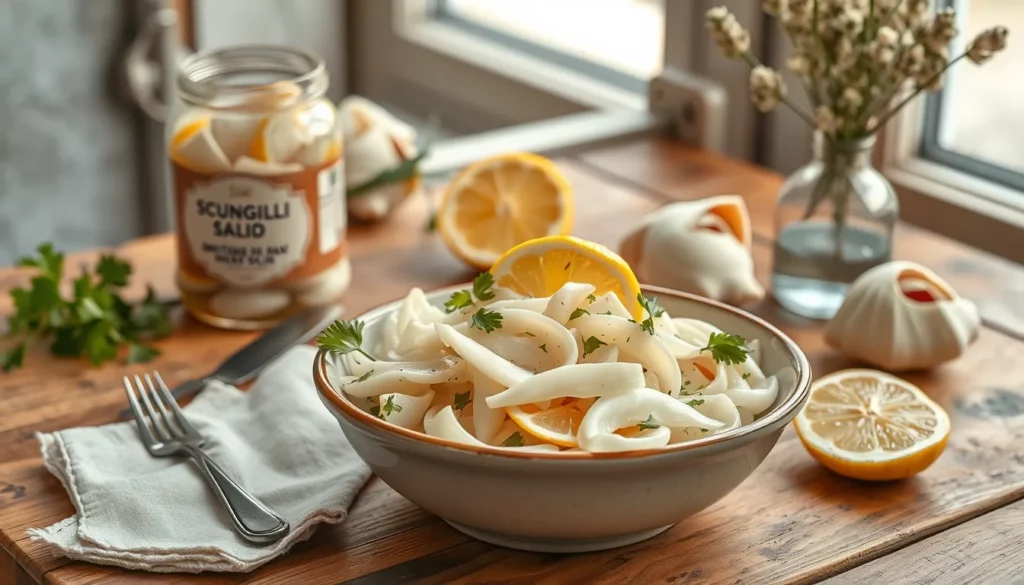
Scungilli (pronounced skoon-JEE-lee) is the Italian term for the meat of large marine gastropods, most commonly the Bolinus brandaris (purple dye murex) or Hexaplex trunculus (banded dye-murex), though in practice it often refers to any sizable conch or whelk harvested from the Mediterranean and Adriatic seas. The word itself derives from the Neapolitan dialect scungiglio, meaning “shell” or “conch.” Historically, scungilli was a staple of the cucina povera (poor kitchen) of coastal Campania, especially around Naples and the Amalfi Coast, where fishermen would collect these mollusks and preserve them by salting, drying, or pickling. Today, scungilli is most commonly available canned or jarred in brine, though fresh specimens are still prized in traditional recipes.
Scungilli does not hold a DOP (Denominazione di Origine Protetta) or PGI (Indicazione Geografica Protetta) status, as it is a generic product rather than a specific regional specialty with a protected designation. However, the Italian Ministry of Agricultural Policies recognizes it as a Prodotto Agroalimentare Tradizionale (PAT) in the Campania region, acknowledging its historical and cultural significance. The PAT list includes traditional foods that have been produced for at least 25 years using local methods, and scungilli qualifies under the category of “preparations of fish, crustaceans, and mollusks.”
Types & Grades
Scungilli is available in several forms, each suited to different culinary applications. The table below summarizes the main types and their characteristics.
| Type | Description | Typical Use |
|---|---|---|
| Fresh Scungilli | Whole, raw conch meat, often sold cleaned and trimmed. Requires thorough tenderizing and cooking. | Traditional stews, salads, or grilled preparations. |
| Canned Scungilli (in brine) | Pre-cooked, tender meat packed in salted water. Most common commercial form. | Scungilli salad, pasta sauces, antipasti. |
| Dried Scungilli | Sun-dried or air-dried conch meat, rehydrated before use. Intense flavor. | Broths, long-simmered sauces, or grated as a seasoning. |
| Pickled Scungilli | Preserved in vinegar or oil with herbs. Ready-to-eat. | Antipasto platters, salads. |
Grades are not officially regulated, but quality is judged by texture (tender, not rubbery), color (pale ivory to light tan), and absence of off-odors. Artisanal producers often label their scungilli as scungilli di mare (sea conch) to distinguish it from cheaper imported substitutes.
How It’s Used in Cooking
Scungilli is a versatile ingredient in Italian cuisine, particularly in the southern regions. Its firm, slightly chewy texture and mild, briny flavor make it ideal for both cold and hot dishes.
Traditional Applications
- Scungilli Salad (Insalata di Scungilli) – The most iconic preparation. Cooked scungilli is sliced thin and tossed with lemon juice, extra-virgin olive oil, parsley, garlic, and sometimes celery or capers. Served chilled as a refreshing antipasto.
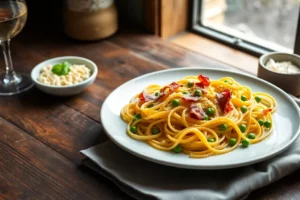
- Pasta with Scungilli – Often paired with linguine or spaghetti in a light tomato or white wine sauce. The conch meat is simmered briefly to retain tenderness.
- Scungilli Stew (Zuppa di Scungilli) – A hearty soup with tomatoes, white wine, garlic, and chili flakes, served with crusty bread.
- Fritto Misto – Tenderized scungilli pieces are battered and fried, served as part of a mixed seafood fry.
“A tavola non si invecchia.” – Italian proverb, reflecting the convivial spirit of meals featuring scungilli.
In professional kitchens, scungilli is often tenderized by pounding or scoring before cooking to prevent toughness. It pairs well with acidic ingredients (lemon, vinegar) and fresh herbs (parsley, oregano).
How to Choose/Identify Authentic SCUNGILLI
When purchasing scungilli, especially for commercial or high-end home cooking, authenticity and quality are paramount. Follow these guidelines:
- Check the label: Look for “scungilli” or “conch meat” and the country of origin. Authentic Italian scungilli is typically from the Mediterranean (Italy, Greece, or Tunisia). Avoid products labeled simply “whelk” without geographic indication.
- Inspect the brine: The liquid should be clear, not cloudy, and the meat should be whole or in large pieces, not shredded.
- Smell test: Fresh or canned scungilli should have a clean, oceanic scent – no ammonia or off-putting odors.
- Texture: When cooked, authentic scungilli is tender but still firm. Rubbery or mushy texture indicates poor quality or over-processing.
- Certifications: While no DOP exists, look for PAT (Prodotto Agroalimentare Tradizionale) labeling or indications of artisanal production from Campania.
- Price: Genuine scungilli is not cheap. Extremely low prices often signal imported substitutes (e.g., from Southeast Asia) that lack the same flavor profile.
Substitutes
If scungilli is unavailable, several Italian substitutes can be used, each with its own characteristics:
- Canned Clams (Vongole) – The closest substitute in texture and brininess. Use in pasta sauces or salads, but note that clams are smaller and more delicate.
- Squid (Calamari) – When tenderized and sliced, squid mimics the chewiness of scungilli. Best in fried dishes or stews.
- Octopus (Polpo) – Offers a similar firm texture and works well in salads or stews. Requires longer cooking to become tender.
- Mussels (Cozze) – For soups and pasta, mussels provide a sweet, briny flavor, though their texture is softer.
These substitutes are widely available in Italian markets and can be used in equal quantities, though cooking times may vary.
In conclusion, scungilli is a cherished ingredient in Italian coastal cuisine, valued for its unique texture and ability to absorb flavors. Whether enjoyed in a simple salad or a complex stew, it represents the resourcefulness and tradition of Mediterranean cooking. When selecting scungilli, prioritize authenticity and quality to ensure the best culinary experience.
FAQ
What is scungilli exactly?
Scungilli is the Italian name for the meat of large sea snails, particularly conch or whelk species from the Mediterranean. It is a traditional ingredient in Campanian cuisine, often preserved in brine or dried.
Is scungilli the same as conch?
Yes, scungilli is the Italian term for conch meat. In English, it is often called conch or whelk, though true scungilli comes from specific Mediterranean species.
How do you cook fresh scungilli?
Fresh scungilli must be tenderized by pounding or scoring, then simmered in salted water or broth until tender (about 30-45 minutes). It can then be sliced for salads or added to sauces. Overcooking makes it rubbery.
Can I substitute canned clams for scungilli?
Yes, canned clams are a good substitute in pasta sauces and salads, though they are smaller and have a slightly different texture. For a closer match, use larger clam varieties or squid.

Leave a Reply