
Short Answer
What Is Tacconi? Italian Pasta Explained
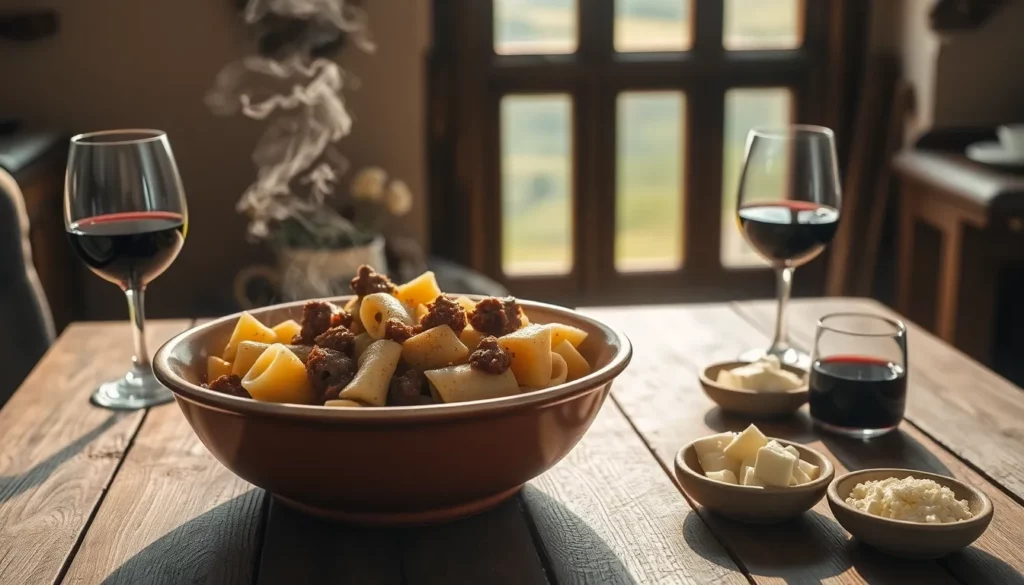
Tacconi is a traditional, hand-rolled egg pasta from the Marche region of central Italy, specifically from the provinces of Macerata and Fermo. Unlike machine-extruded pasta, Tacconi is made by rolling out a thin sheet of dough and cutting it into irregular rectangles or squares, roughly 4–6 cm on each side. The dough is typically made with soft wheat flour (type 00) and eggs, sometimes with a touch of olive oil. The name derives from the dialect word tacco meaning “heel” or “patch,” referring to the rustic, uneven shape of the pasta pieces. Tacconi is most famously served with a rich ragù of lamb or pork, often slow-cooked with tomatoes, rosemary, and garlic, making it a hearty, soulful dish emblematic of the region’s cucina povera tradition.
Origin & History
Tacconi originates from the inland hills of the Marche, particularly around the towns of Macerata, Tolentino, and San Severino Marche. Its history is deeply tied to the pastoral economy of the area, where sheep and pig farming were central. Unlike the more famous tagliatelle of Emilia-Romagna, Tacconi was a peasant pasta, made without precise measurements or special equipment. The irregular shape was a practical choice: leftover scraps of dough were simply cut into rough pieces and boiled. The first written references appear in 19th-century cookbooks from the Marche, but oral tradition suggests the pasta has been made for centuries. A local legend claims that Tacconi was created by shepherds who needed a quick, filling meal that could be cooked over an open fire. The pasta’s name may also be linked to the word taccone, meaning a patch or piece of cloth, evoking the irregular shapes.
What’s In It
The core ingredients for Tacconi are simple: soft wheat flour (type 00), eggs, and a pinch of salt. Some recipes add a drizzle of extra virgin olive oil to make the dough more pliable. The dough is kneaded until smooth, rested, then rolled out thinly (about 1–2 mm) and cut into irregular rectangles. The pasta is not dried; it is cooked fresh within hours. The traditional sauce is a ragù di agnello (lamb ragù) or ragù di maiale (pork ragù), slow-cooked with tomato passata, garlic, rosemary, and sometimes white wine. The sauce is thick and meaty, clinging to the rough surface of the pasta. Unlike pappardelle, which are long and ribbon-like, Tacconi are short and wide, offering a different mouthfeel. Unlike maltagliati (literally “badly cut”), which are also irregular scraps, Tacconi are intentionally cut into larger, more uniform rectangles.
Regional Variations
While Tacconi is most strongly associated with the Marche, similar hand-cut pastas exist in neighboring regions. The table below highlights key differences:
| Region | Pasta Name | Shape & Size | Typical Sauce |
|---|---|---|---|
| Marche (Macerata) | Tacconi | Irregular rectangles, 4–6 cm | Lamb or pork ragù with rosemary |
| Emilia-Romagna | Maltagliati | Irregular triangles/diamonds, smaller | Broth or bean soup |
| Lazio | Fettuccine | Long, flat ribbons, uniform | Carbonara, Alfredo, or ragù |
| Abruzzo | Chitarra | Square spaghetti (cut with a chitarra) | Lamb ragù or tomato sauce |
Within the Marche itself, variations exist: in the coastal areas, Tacconi might be served with seafood, while inland versions stick to meat. Some families add a touch of nutmeg to the dough. The town of Tolentino is known for a version with porcini mushrooms.
How It’s Traditionally Eaten
Tacconi is always served as a primo piatto (first course) in a traditional Italian meal. It is a piatto unico (single dish) when the ragù is substantial enough to stand alone. The pasta is boiled until al dente, then tossed with the ragù and often finished with a generous grating of Pecorino Romano or Parmigiano-Reggiano. It is a dish for Sunday lunches and family gatherings, especially in autumn and winter. During the Sagra del Taccone (festival of Tacconi) held in various Marche towns in August, the pasta is celebrated with outdoor cooking and wine pairings. It is rarely served in restaurants outside the region, making it a true local specialty.
Common Mistakes / What It’s Not
A frequent misconception is that Tacconi is the same as pappardelle or fettuccine. In reality, Tacconi are shorter and wider, and their irregular shape is intentional, not a sign of poor cutting. Another mistake is treating Tacconi as a dried pasta; it is always fresh. Some American-Italian recipes substitute Tacconi with store-bought lasagna sheets cut into pieces, but this changes the texture. Tacconi is not a stuffed pasta (like ravioli) nor a long pasta. It is also not a dish from Tuscany or Umbria, though those regions have similar hand-cut pastas. The correct pronunciation is tah-KOH-nee, not “tack-oh-nee.”
Where to Try It / What to Order
To taste authentic Tacconi, head to the Marche region, specifically the provinces of Macerata and Fermo. Look for trattorie and agriturismi that serve traditional cucina marchigiana. Recommended restaurants include Osteria del Borgo in Macerata, Ristorante La Ginestra in Tolentino, and Agriturismo Il Casale near Fermo. If visiting during summer, check for local sagre (food festivals) such as the Sagra del Taccone in Monte San Giusto or the Festa del Taccone in San Severino Marche. When ordering, ask for “Tacconi al ragù di agnello” or “Tacconi con ragù di maiale.” Pair with a robust red wine like Rosso Piceno or Verdicchio dei Castelli di Jesi (white).
Related Dishes
FAQ
What is Tacconi pasta?
Tacconi is a traditional hand-rolled egg pasta from the Marche region of Italy, cut into irregular rectangles and typically served with a lamb or pork ragù.
How is Tacconi different from pappardelle?
Tacconi are shorter and wider than pappardelle, and their shape is intentionally irregular, whereas pappardelle are long, flat ribbons of uniform width.
Where can I eat authentic Tacconi?
The best place is in the Marche region, especially in the provinces of Macerata and Fermo, at local trattorie, agriturismi, or during the Sagra del Taccone festivals in summer.
Can I make Tacconi at home?
Yes, Tacconi is easy to make at home with a simple egg pasta dough. Roll it thin, cut into rough rectangles, and cook fresh. Pair with a slow-cooked meat ragù.
What wine goes with Tacconi?
A robust red like Rosso Piceno or a full-bodied white like Verdicchio dei Castelli di Jesi complements the rich ragù.
Leave a Reply