
Short Answer
What Is Sepia? Italian Seafood Dish Explained
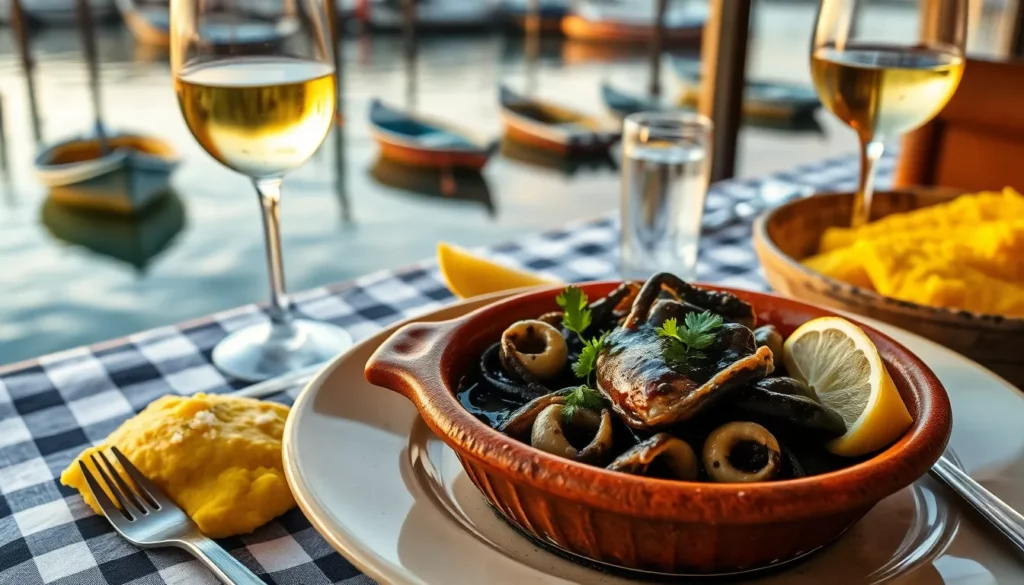
Sepia is the Italian word for cuttlefish, a cephalopod mollusk belonging to the family Sepiidae. In Italian culinary contexts, sepia refers to a variety of dishes that feature this ingredient, most notably seppie in umido (braised cuttlefish) and seppie alla griglia (grilled cuttlefish). The dish is deeply rooted in the coastal regions of Italy, particularly in the Veneto, Liguria, and Sicily, where fresh seafood defines local gastronomy. Key ingredients include cuttlefish, olive oil, garlic, white wine, tomatoes, and often its own ink, which imparts a distinctive dark color and briny flavor. Sepia is prized for its tender texture and ability to absorb sauces, making it a versatile ingredient in both rustic and refined preparations.
Origin & History
The consumption of cuttlefish in Italy dates back to ancient Roman times, as documented in the writings of Pliny the Elder and Apicius, who described recipes for loligo (squid) and sepia. However, the modern Italian tradition of cooking sepia as a distinct dish emerged in the maritime republics of Venice and Genoa during the Middle Ages. Venetian fishermen would prepare seppie in umido with onions, white wine, and their own ink, a method that preserved the catch and enhanced flavor. By the 19th century, sepia had become a staple of cucina povera (peasant cooking) along the Adriatic and Tyrrhenian coasts, often served with polenta or crusty bread. A popular anecdote claims that Venetian cooks discovered the ink’s culinary potential by accident when a cuttlefish burst during cooking, staining the sauce—a happy mistake that became a signature. Today, sepia dishes are celebrated in trattorias and fine dining alike, with regional variations reflecting local ingredients and traditions.
What’s In It
Core ingredients for a classic sepia dish include:
- Fresh cuttlefish (sepia) – cleaned and cut into pieces or left whole for smaller specimens.
- Extra virgin olive oil – for sautéing and finishing.
- Garlic and onion – aromatic base.
- White wine – deglazes the pan and adds acidity.
- Tomatoes – fresh or canned, for a light sauce (optional in ink-based versions).
- Cuttlefish ink – extracted from the ink sac, used to color and flavor the sauce.
- Parsley – fresh, chopped for garnish.
- Salt and pepper – to taste.
Preparation nuances: The cuttlefish must be cleaned thoroughly, removing the pen, beak, and ink sac (if not using). The ink sac is carefully reserved for recipes that call for it. The meat is then sliced into rings or strips. In seppie in umido, the cuttlefish is slowly braised in a covered pot until tender, often for 30–40 minutes. Unlike calamari (squid), cuttlefish has a thicker, more substantial flesh that benefits from longer cooking. Sepia is distinct from polpo (octopus) and calamaro (squid) in both texture and flavor; it is meatier and sweeter, with a delicate brininess.
Regional Variations
Sepia preparations vary significantly across Italy, reflecting local tastes and available ingredients. Below is a comparison of three major regional styles:
| Region | Dish Name | Key Characteristics |
|---|---|---|
| Veneto | Seppie in umido | Braised with onions, white wine, and ink; often served with polenta. Rich, dark sauce. |
| Liguria | Seppie alla ligure | Cooked with pine nuts, raisins, and white wine; a sweet-savory combination. Served with trenette pasta. |
| Sicily | Seppie alla griglia | Grilled whole or in large pieces, marinated in olive oil, lemon, and herbs. Served as a secondo with salad. |
Other notable variations include seppie ripiene (stuffed cuttlefish) in Campania, where the body is filled with breadcrumbs, cheese, and herbs, then baked; and seppie in zimino in Tuscany, a stew with Swiss chard and tomato. In Sardinia, cuttlefish is often incorporated into fregola (pasta) dishes.
How It’s Traditionally Eaten
In Italian dining, sepia dishes are typically served as a secondo piatto (main course) or, when paired with pasta, as a primo piatto (first course). For example, spaghetti al nero di seppia (spaghetti with cuttlefish ink) is a classic primo, while grilled sepia is a secondo often accompanied by a contorno of roasted vegetables or a simple salad. Sepia is also enjoyed as an antipasto, especially in the form of insalata di seppie (cuttlefish salad) with lemon and parsley. Pairings include crisp white wines such as Vermentino, Soave, or a dry Prosecco. The dish is common in everyday home cooking along the coasts, but also appears on holiday menus, particularly during Christmas Eve (La Vigilia) when seafood is traditional. In Venice, seppie in umido is a year-round comfort food, often eaten with a fork and spoon to capture the sauce.
Common Mistakes / What It’s Not
A frequent misconception, especially in American-Italian contexts, is that sepia is interchangeable with calamari. While both are cephalopods, cuttlefish (sepia) has a broader body, a thicker flesh, and a more pronounced flavor. Calamari (squid) is often fried as rings, whereas sepia is rarely fried; it is braised, grilled, or stewed. Another error is assuming that all sepia dishes are black from ink; many preparations, especially grilled ones, do not use ink at all. Additionally, some diners mistake sepia for polpo (octopus), which has a different texture and requires longer cooking. Sepia is not a pasta dish per se, though it is often served with pasta; the term refers to the cuttlefish itself. Finally, avoid overcooking sepia, as it can become rubbery; proper braising or grilling yields a tender result.
Where to Try It / What to Order
For an authentic experience, head to the coastal regions of Italy. In Venice, visit Trattoria alla Madonna for seppie in umido with polenta. In Genoa, Osteria di Vico Palla serves seppie alla ligure with pine nuts. In Sicily, Trattoria da Nino in Palermo offers grilled sepia with lemon and oregano. For travelers, ordering tips: ask for seppie fresche (fresh cuttlefish) and specify your preference for ink or no ink. During the Festa del Pesce in Camogli (Liguria) or the Sagra del Pesce in San Benedetto del Tronto, sepia dishes are featured prominently. If cooking at home, source high-quality frozen or fresh cuttlefish from Italian markets; the ink can be purchased separately in jars.
Related Dishes
- Calamari (Squid) – Italian Preparations
- Polpo alla Lucchese – Octopus Stew
- Spaghetti al Nero di Seppia – Cuttlefish Ink Pasta
- Insalata di Mare – Italian Seafood Salad
- Fritto Misto – Mixed Fried Seafood
FAQ
What is Sepia in Italian cuisine?
Sepia is the Italian word for cuttlefish, a cephalopod mollusk used in various regional dishes such as seppie in umido (braised cuttlefish) and spaghetti al nero di seppia (cuttlefish ink pasta). It is prized for its tender, meaty texture and briny flavor.
How is Sepia different from calamari?
Sepia (cuttlefish) has a broader, thicker body and a sweeter, more intense flavor compared to calamari (squid). Calamari is often fried, while sepia is typically braised, grilled, or stewed. The ink of sepia is also more commonly used in cooking.
What are the most popular Sepia dishes in Italy?
Popular dishes include seppie in umido (Veneto), seppie alla ligure (Liguria), seppie alla griglia (Sicily), spaghetti al nero di seppia (nationwide), and seppie ripiene (stuffed cuttlefish, Campania).
Is sepia always served with its ink?
No. While ink-based preparations like seppie in umido and spaghetti al nero di seppia are famous, many recipes (e.g., grilled sepia, seppie ripiene) do not use ink. The ink is optional and adds a distinctive color and briny taste.
Where can I try authentic sepia dishes?
Coastal regions such as Venice, Genoa, and Palermo offer the best examples. Look for trattorias specializing in seafood, and consider visiting during local fish festivals like the Festa del Pesce in Camogli.
Leave a Reply