
Short Answer
What It Is
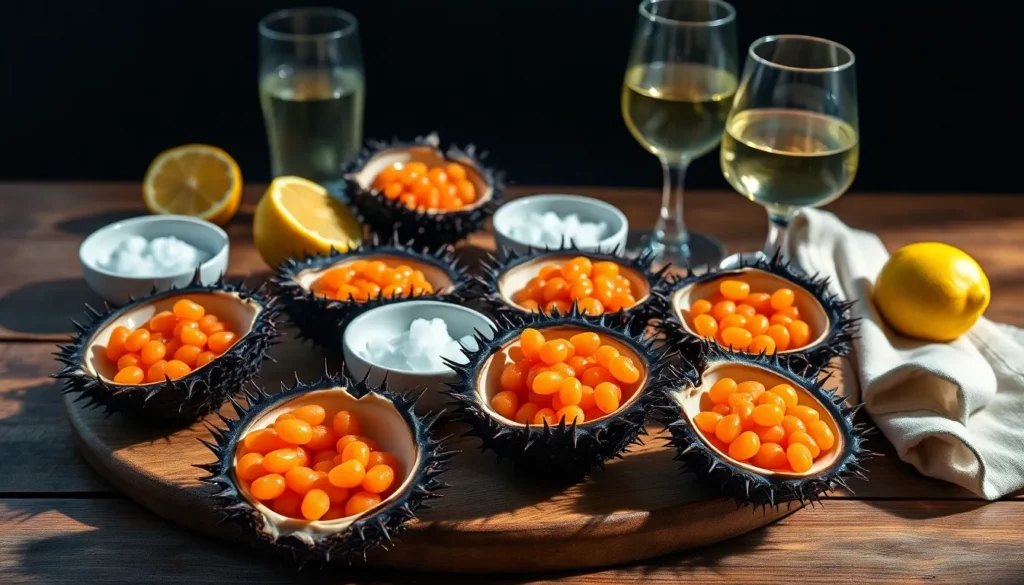
Riccio di mare, the Italian term for sea urchin, refers specifically to the edible species Paracentrotus lividus, commonly harvested along the Mediterranean coasts of Italy. Prized for its vibrant orange or yellow gonads (the edible part), this ingredient is a cornerstone of coastal Italian cuisine. The sea urchin is hand-harvested by divers from rocky seabeds at depths of 1 to 10 meters, typically during the winter and spring months when the roe is at its peak. While there is no official DOP (Denominazione di Origine Protetta) status for riccio di mare, certain regions like Sardinia, Sicily, and Puglia have established local regulations to ensure sustainable harvesting. The production method is artisanal: divers carefully select mature specimens, ensuring minimal damage to the marine ecosystem. The roe is extracted fresh and often consumed raw, preserving its delicate briny-sweet flavor.
Types & Grades
Riccio di mare is classified primarily by size, color, and freshness. The following table outlines the common grades encountered in Italian markets:
| Grade | Size (diameter) | Roe Color | Flavor Profile | Best Use |
|---|---|---|---|---|
| Prima Scelta (First Choice) | 7–10 cm | Bright orange to deep yellow | Intense umami, sweet, briny | Raw consumption, carpaccio |
| Seconda Scelta (Second Choice) | 5–7 cm | Pale yellow to light orange | Milder, less sweet | Pasta sauces, risotto |
| Scarto (Reject) | <5 cm or damaged | Brownish or watery | Bitter, off-flavors | Not recommended |
Additionally, sea urchins are graded by harvest method: diver-caught (higher quality, less stress) vs. trawl-caught (lower quality, often damaged). Freshness is paramount; live urchins with intact spines are the highest grade.
How It’s Used in Cooking
Riccio di mare is a versatile ingredient in Italian cuisine, celebrated for its ability to impart a profound oceanic essence. Traditional applications include:
- Crudo: Served raw on the half-shell with a squeeze of lemon, extra-virgin olive oil, and a pinch of sea salt. This is the purest expression.
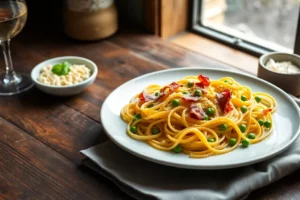
- Pasta: Spaghetti ai ricci di mare is the iconic dish. The roe is gently warmed in a pan with garlic, white wine, and parsley, then tossed with al dente spaghetti. No cream – the roe creates a creamy emulsion.
- Risotto: Added at the end of cooking to preserve its delicate flavor, often paired with prosecco or champagne.
- Sauces and Condiments: Blended into a sauce for fish or used as a topping for bruschetta.
- Frittura: Lightly battered and fried for a crispy contrast.
“Il riccio di mare è il sapore del mare in un boccone.” – Traditional Italian saying (The sea urchin is the taste of the sea in one bite.)
Chefs recommend using the roe raw or barely cooked to retain its unique texture and flavor. Overcooking results in a rubbery, bitter product.
How to Choose/Identify Authentic Riccio di Mare
When purchasing riccio di mare, follow these guidelines to ensure authenticity and quality:
- Live Specimens: Choose urchins that are alive – their spines should move when touched. Avoid those with broken spines or a strong ammonia smell.
- Seasonality: Peak season is from November to April (depending on region). Out-of-season urchins have less roe and inferior flavor.
- Appearance: The shell should be firm, with a uniform color (greenish-brown to purple). The roe should be bright orange or yellow, plump, and moist.
- Source: Look for labels indicating “diver-caught” or “sustainable harvest.” Reputable fishmongers will provide provenance.
- Avoid: Pre-packaged roe in plastic containers – it often contains preservatives and lacks freshness. Always buy whole urchins if possible.
Authentic Italian riccio di mare is typically sold by weight or per piece. Prices vary, but expect to pay a premium for prime specimens.
Substitutes
If fresh riccio di mare is unavailable, Italian cuisine offers several authentic substitutes:
- Bottarga: Cured, pressed fish roe (usually mullet or tuna). Grated over pasta, it provides a similar briny umami, though with a firmer texture and more intense saltiness.
- Other Sea Urchin Species: In the Pacific, Strongylocentrotus franciscanus (red sea urchin) is a common substitute, though its roe is larger and less sweet.
- Anchovy Paste: For a quick umami boost in sauces, though it lacks the delicate sweetness of sea urchin.
- Mussel Roe: In some coastal regions, mussel gonads are used as a cheaper alternative, but the flavor is less refined.
When substituting, adjust quantities to match the desired intensity. Bottarga is often used in pasta dishes as a direct replacement, while other substitutes work best in cooked applications.
Conclusion
Riccio di mare is a jewel of the Italian sea, offering a unique taste that captures the essence of the Mediterranean. From its artisanal harvest to its versatile culinary applications, this ingredient demands respect and careful handling. Whether enjoyed raw or in a classic pasta dish, authentic riccio di mare elevates any seafood meal. By understanding its grades, seasonality, and proper selection, you can bring a piece of Italian coastal tradition to your table.
FAQ
What is riccio di mare?
Riccio di mare is the Italian name for sea urchin, specifically the species Paracentrotus lividus. The edible part is the gonads (roe), which are prized for their briny, sweet, and umami flavor. It is a traditional ingredient in coastal Italian cuisine, often eaten raw or used in pasta and risotto.
How do you eat riccio di mare?
Riccio di mare is commonly eaten raw on the half-shell with lemon, olive oil, and salt. It is also used in pasta dishes like spaghetti ai ricci di mare, where the roe is gently warmed and tossed with pasta. The roe can be added to risotto, sauces, or even lightly fried. It should be consumed fresh and never overcooked.
What does riccio di mare taste like?
Riccio di mare has a distinctive flavor that is briny, sweet, and intensely umami, with a creamy, custard-like texture. The taste is often described as the essence of the sea, with a clean finish. The quality varies by season and harvest method; prime specimens are bright orange and plump.
How to clean and prepare riccio di mare?
To clean a live sea urchin, use scissors or a knife to cut around the top (the mouth area) and remove the top shell. Rinse the inside gently under cold water to remove any dark bits, then carefully scoop out the orange roe with a spoon. Avoid breaking the roe. Serve immediately or refrigerate for a few hours at most.



Leave a Reply