
Short Answer
What It Is
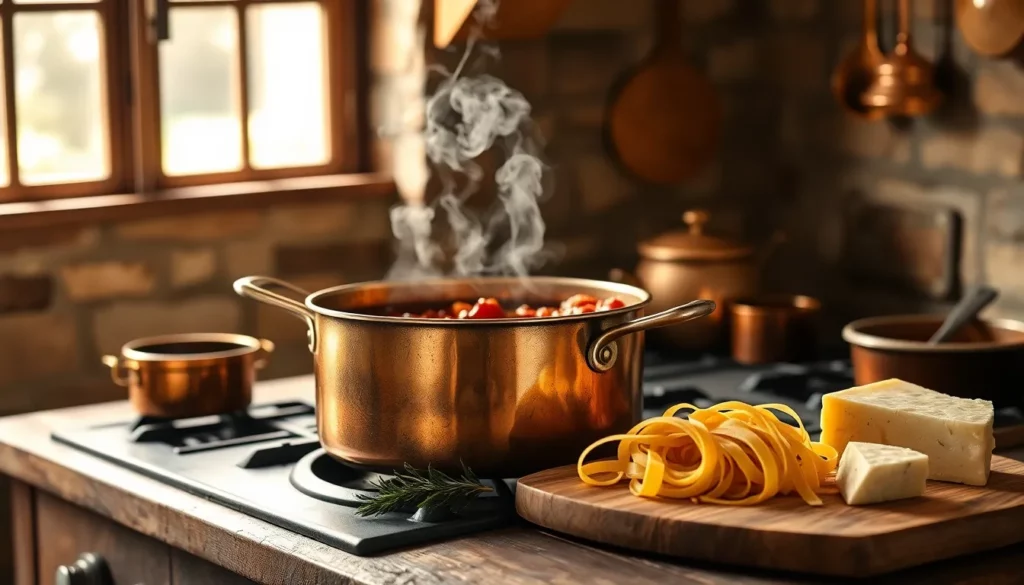
Ragù is a slow-cooked meat-based sauce originating from Italy, characterized by its rich, savory flavor and thick texture. Unlike quick tomato sauces, ragù is a labor of love, simmered for hours to meld the flavors of meat, vegetables, wine, and sometimes tomato. The most famous variant, Ragù alla Bolognese, hails from Bologna in Emilia-Romagna and is recognized as a Traditional Speciality Guaranteed (TSG) by the European Union, ensuring its recipe adheres to strict traditional guidelines. The term “ragù” itself derives from the French “ragoût,” meaning a stew, reflecting the dish’s evolution from medieval French cuisine into the Italian culinary canon.
Authentic ragù is defined by its cooking method: a slow simmer (sobbollire) that breaks down the meat fibers and concentrates flavors. The base typically includes a soffritto of onion, celery, and carrot, sautéed in butter or olive oil. Meat is then added—often a mix of beef and pork—followed by wine (usually red), and a small amount of tomato concentrate or passata. The sauce is cooked for at least two hours, often longer, until it reaches a dense, emulsified consistency. The TSG registration for Ragù alla Bolognese specifies the exact ingredients and proportions, including the use of pancetta, ground beef, and a final addition of milk or cream to balance acidity.
“Il ragù è un piatto che richiede pazienza e amore: ogni famiglia ha la sua ricetta, ma la tradizione è sacra.” – Traditional Italian saying
Types & Grades
While Ragù alla Bolognese is the most internationally recognized, Italy boasts a diverse array of ragù variations, each tied to a specific region and culinary tradition. Below is a table summarizing the primary types:
| Type | Region | Key Characteristics | Meat Base |
|---|---|---|---|
| Ragù alla Bolognese | Emilia-Romagna | Slow-cooked with tomato, wine, milk; thick, not tomato-heavy | Beef, pork, pancetta |
| Ragù Napoletano | Campania | Long simmer with large cuts of meat, often served with pasta or as a second course | Beef, pork ribs, sausage |
| Ragù Bianco | Various (e.g., Tuscany) | White ragù without tomato; relies on meat juices and broth | Beef, veal, or game |
| Ragù di Cinghiale | Tuscany, Umbria | Wild boar ragù, robust and gamey, often with red wine and herbs | Wild boar |
| Ragù di Agnello | Sardinia, Lazio | Lamb ragù, flavored with garlic, rosemary, and sometimes pecorino | Lamb |
Grades of ragù are not officially classified, but quality can be assessed by ingredient sourcing (e.g., DOP tomatoes, grass-fed beef) and cooking time. Artisanal producers often label their ragù as “classico” or “tradizionale” to indicate adherence to regional recipes.
How It’s Used in Cooking
Ragù is a versatile sauce that forms the backbone of many classic Italian dishes. Its primary use is as a pasta sauce, but it also appears in lasagne, polenta, and even as a filling for cannelloni. The key to pairing ragù with pasta is matching the sauce’s texture to the pasta shape: Ragù alla Bolognese is traditionally served with tagliatelle (fresh egg pasta) because the wide, flat ribbons hold the thick sauce perfectly. In Bologna, you will never see spaghetti Bolognese—that is an international adaptation. Other pairings include pappardelle with wild boar ragù, or ziti with Ragù Napoletano.
Beyond pasta, ragù is used in:
- Lasagne alla Bolognese: Layers of fresh pasta, ragù, béchamel, and Parmigiano-Reggiano.
- Polenta con Ragù: Creamy polenta topped with a hearty meat ragù, common in northern Italy.
- Ragù as a Secondo: In Naples, the meat from Ragù Napoletano is often served as a main course after the sauce has been used for pasta.
- Ragù for Filled Pasta: Some recipes use ragù as a filling for ravioli or tortellini, though more commonly the meat is ground finer.
Professional chefs emphasize the importance of “mantecatura” – the final tossing of pasta with ragù and a knob of butter or a drizzle of olive oil to emulsify the sauce and coat the pasta evenly.
How to Choose/Identify Authentic RAGU
For consumers seeking authentic ragù, whether homemade or store-bought, several cues indicate quality and adherence to tradition:
- Check for TSG Certification: For Ragù alla Bolognese, look for the EU Traditional Speciality Guaranteed logo or the wording “Ragù alla Bolognese TSG” on the label. This ensures the product follows the official recipe registered by the Italian Ministry of Agricultural Policies.
- Read the Ingredients List: Authentic ragù should list meat as the first ingredient, followed by vegetables (onion, celery, carrot), wine, and a small amount of tomato (concentrate or passata). Avoid products with added sugars, starches, or excessive tomato puree. The presence of milk or cream is traditional for Bolognese.
- Observe the Color and Texture: Real ragù is a deep reddish-brown, not bright red. It should be thick and chunky, not watery or smooth like a tomato sauce. The meat should be finely ground but still discernible.
- Look for Regional Indications: Products labeled “alla Bolognese” should ideally come from Emilia-Romagna or specify adherence to the traditional recipe. Similarly, “Napoletano” should reference Campania.
- Price Point: Quality ragù requires time and quality ingredients; very cheap jarred sauces are unlikely to be authentic. Expect to pay a premium for artisanal or imported brands.
When dining out, ask if the ragù is made in-house and how long it has been simmered. A reputable Italian restaurant will proudly share these details.
Substitutes
While nothing fully replicates the depth of a traditional ragù, several Italian alternatives can be used depending on the dish and dietary needs:
- Sugo di Carne: A simpler meat sauce, often made with ground beef and tomato, cooked for a shorter time. It lacks the complexity of ragù but works for quick weeknight meals.
- Ragù Vegetariano: Made with mushrooms, lentils, or textured vegetable protein, mimicking the texture of meat. Common in modern Italian cuisine, especially in Lombardy and Tuscany.
- Ragù di Pesce: A fish-based ragù from coastal regions, using seafood like tuna or swordfish, often with tomatoes and olives. Not a direct substitute for meat ragù but a valid alternative for seafood pasta.
- Pesto alla Genovese: For a completely different flavor profile, pesto can replace ragù in pasta dishes, though it is not a meat sauce.
For those avoiding pork, a pure beef ragù (ragù di manzo) is common, though it may lack the richness that pork fat provides. Adding a piece of pancetta or guanciale can help replicate the flavor.
Conclusion
Ragù is more than a sauce; it is a testament to Italian culinary philosophy—patience, quality ingredients, and respect for tradition. Whether you savor the iconic Ragù alla Bolognese with tagliatelle or explore regional variations like Ragù Napoletano, understanding its history and production enriches the dining experience. By choosing authentic products and applying proper cooking techniques, you can bring a taste of Italy’s heartland to your table.
FAQ
What is the difference between ragù and Bolognese sauce?
Ragù is a general term for Italian meat sauces, while Bolognese (Ragù alla Bolognese) is a specific type from Bologna with a TSG-protected recipe. Bolognese is slow-cooked with a mix of beef and pork, a small amount of tomato, and often milk or cream, and is traditionally served with tagliatelle, not spaghetti.
Can I freeze ragù?
Yes, ragù freezes exceptionally well. Allow it to cool completely, then store in airtight containers for up to 3 months. Thaw overnight in the refrigerator and reheat gently, adding a splash of water or broth if needed to restore consistency.
What wine is best for cooking ragù?
A dry red wine with moderate tannins, such as Sangiovese, Chianti, or Barbera, is ideal. The wine should be good enough to drink, as its flavor concentrates during cooking. Avoid overly oaky or sweet wines.



Leave a Reply