
Short Answer
What It Is
Fagiano is the Italian term for the common pheasant (Phasianus colchicus), a game bird that has been part of Italian culinary tradition for centuries. While not a DOP or PGI product itself, fagiano is central to several regional specialties, particularly in Tuscany, Umbria, and Piedmont, where wild pheasant hunting is a time-honored practice. The bird is prized for its lean, flavorful meat, which has a delicate gamey taste that distinguishes it from domestic poultry.
Production methods vary: wild pheasants are hunted during the autumn and winter seasons, while farmed pheasants are raised in semi-wild conditions to mimic their natural diet and exercise, resulting in a more consistent product. The Italian Ministry of Agricultural Policies recognizes pheasant under the broader category of selvaggina (game), but there is no specific DOP/PGI designation for fagiano itself. However, certain traditional preparations, such as Fagiano alla creta (cooked in a clay crust) from Tuscany, are protected as Prodotti Agroalimentari Tradizionali (PAT).
Types & Grades
Fagiano is classified primarily by age, sex, and rearing method. These factors influence the meat’s tenderness, flavor intensity, and best cooking applications.
| Type | Age | Weight | Flavor Profile | Best Use |
|---|---|---|---|---|
| Young Pheasant (Fagiano giovane) | Under 1 year | 0.8–1.2 kg | Mild, tender, slightly sweet | Roasting, grilling, sautéing |
| Adult Pheasant (Fagiano adulto) | 1–2 years | 1.2–1.8 kg | More pronounced gamey flavor, firmer texture | Braising, stewing, in salmì |
| Wild Pheasant (Fagiano selvatico) | Variable | 0.9–1.5 kg | Intense, earthy, leaner | Slow cooking, marinating, terrines |
| Farmed Pheasant (Fagiano d’allevamento) | 6–9 months | 1.0–1.4 kg | Milder, more consistent, slightly fattier | Roasting, pan-searing |
Additionally, female pheasants (fagiane) are generally smaller and more tender than males, making them preferred for delicate preparations. The age is often indicated by the flexibility of the breastbone: a flexible tip indicates a young bird.
How It’s Used in Cooking
Fagiano is a versatile ingredient in Italian cuisine, appearing in both rustic and refined dishes. Its lean meat benefits from techniques that add moisture and complement its subtle gamey flavor.
Traditional Preparations
- Fagiano alla creta – A Tuscan specialty where the whole bird is encased in clay and baked. The clay seals in moisture and is cracked open at the table, releasing aromatic steam. The meat is served with a simple sauce of its own juices.
- Fagiano in salmì – A slow-braised dish from central Italy, where the pheasant is cooked in red wine, herbs (rosemary, sage, juniper), and often with pancetta or lardo to add richness. The sauce is thickened with the bird’s liver and served with polenta or roasted potatoes.
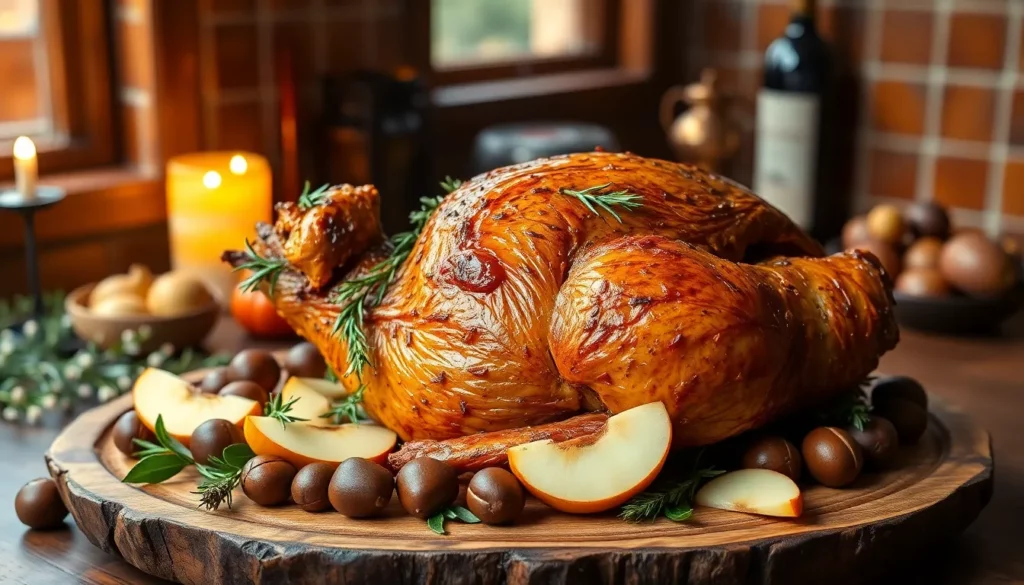
- Fagiano arrosto – Roasted pheasant, often stuffed with chestnuts, apples, or prunes, and barded with bacon or lardo to prevent dryness. Served with roasted vegetables and a reduction of the pan juices.
- Pappardelle con ragù di fagiano – A rich pasta sauce made from shredded braised pheasant, tomatoes, and aromatic vegetables, typical of Tuscany and Umbria.
- Insalata di fagiano – Cold sliced pheasant served over a bed of arugula, shaved Parmesan, and a balsamic vinaigrette, often using leftover roasted bird.
Professional Kitchen Tips
Chefs often marinate wild pheasant in wine, herbs, and olive oil for 12–24 hours to tenderize and mellow the gamey notes. The bird should be cooked to an internal temperature of 65–70°C (149–158°F) for the breast, and 75°C (167°F) for the thighs. Resting the meat for 10 minutes before carving ensures juiciness.
How to Choose/Identify Authentic Fagiano
When purchasing fagiano, whether from a butcher, game dealer, or online, look for these authenticity cues:
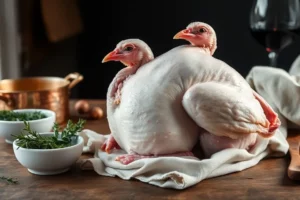
- Freshness indicators: The skin should be intact, moist, and free of blemishes. The eyes should be bright and clear, not sunken. A fresh pheasant has a mild, clean smell – any ammonia or sour odor indicates spoilage.
- Source transparency: Reputable sellers will specify whether the bird is wild or farmed, and often the region of origin. Italian wild pheasants are typically labeled with the hunting area (e.g., Fagiano selvatico della Maremma).
- Age verification: Ask the butcher about the bird’s age. Young pheasants have a flexible breastbone and soft, pliable feet. Older birds have a rigid breastbone and tougher feet.
- Plumage and skin: If sold with feathers, the plumage should be vibrant and intact. The skin should be unbroken and free of excessive bruising.
- Certifications: While no DOP exists, look for labels indicating Allevamento all’aperto (free-range) or Selvaggina di qualità (quality game) from trusted Italian associations.
- Packaging: Vacuum-packed pheasant should be firm and the package should not contain excessive liquid. Avoid packages with tears or leaks.
Substitutes
If fagiano is unavailable, several Italian game birds can be used as substitutes, each offering a similar but distinct flavor profile.
- Faraona (Guinea Fowl) – The closest substitute, with a slightly milder gamey taste and similar texture. Use in any recipe calling for pheasant, adjusting cooking times slightly as guinea fowl is a bit smaller.
- Pernice (Partridge) – Smaller and more delicate, partridge works well in dishes like in salmì or roasted. Use two partridges for one pheasant.
- Quaglia (Quail) – For appetizers or single-serving dishes, quail offers a tender, mild game flavor. Use 2–3 quail per pheasant serving.
- Fagiano d’allevamento (Farmed Pheasant) – If wild is unavailable, farmed pheasant is a consistent alternative, though less intense in flavor.
- Pollo ruspante (Free-range Chicken) – For a non-game substitute, a high-quality free-range chicken can be used in braised dishes, though the flavor will be much milder. Add juniper berries and rosemary to mimic the gamey notes.
When substituting, consider the cooking method: for roasting, choose a bird of similar size and fat content; for braising, any game bird or even rabbit can work with appropriate seasoning adjustments.
In conclusion, fagiano is a cornerstone of Italian game cookery, celebrated for its lean, flavorful meat and versatility. Whether you are preparing a traditional Tuscan clay-baked pheasant or a modern ragù, understanding the types, authenticity markers, and suitable substitutes will elevate your culinary results. Embrace the seasonality and regional traditions that make fagiano a true treasure of Italian gastronomy.
FAQ
What is the difference between wild and farmed fagiano?
Wild fagiano has a more intense, earthy gamey flavor and leaner meat due to its natural diet and exercise. Farmed fagiano is milder, more tender, and slightly fattier, making it more approachable for those new to game. Both are used in Italian cuisine, but wild is preferred for traditional slow-cooked dishes like 'in salmì'.
How can I tell if a pheasant is fresh?
Fresh pheasant should have bright, clear eyes, moist and intact skin, and a clean, mild smell. The breastbone should be flexible in young birds. Avoid any with sunken eyes, dry or sticky skin, or an ammonia odor. If buying vacuum-packed, ensure the package is tight and free of excessive liquid.
Can I substitute chicken for fagiano in recipes?
Yes, but the flavor will be much milder. For braised dishes, use a high-quality free-range chicken and add juniper berries, rosemary, and a splash of red wine to mimic the gamey notes. For roasting, choose a smaller chicken and consider barding with bacon to prevent dryness. However, for authentic Italian game dishes, guinea fowl or partridge are better substitutes.

Leave a Reply