
Short Answer
What Is Melagrana? Italian Fruit Explained
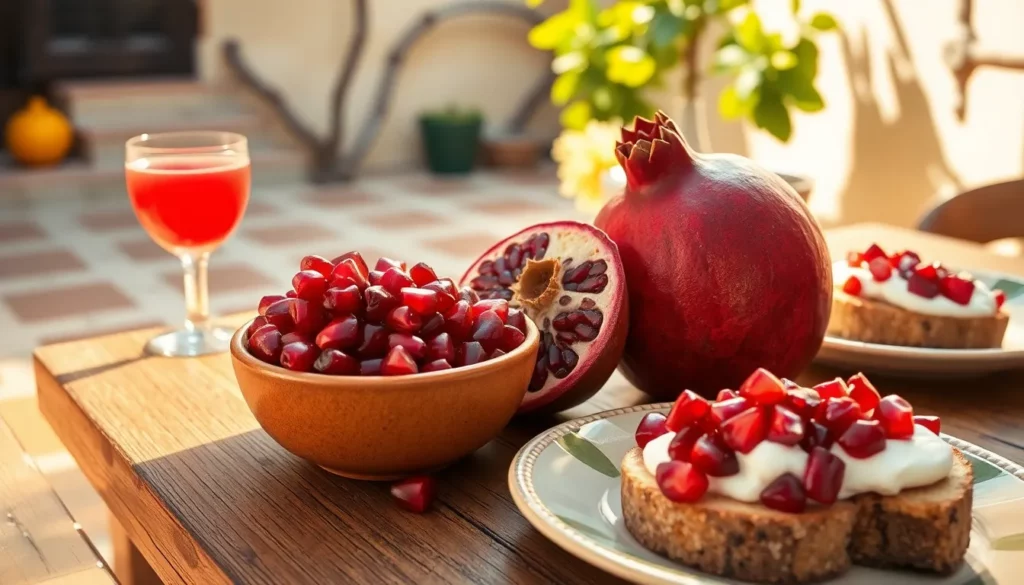
Melagrana is the Italian term for the pomegranate (Punica granatum), a fruit prized since antiquity for its jewel-like arils and tart-sweet juice. In Italian cuisine, melagrana is not a single dish but a versatile ingredient used in salads, sauces, desserts, and even as a garnish for meat and fish. Its vibrant color and unique flavor profile make it a staple in both traditional and modern Italian cooking, particularly in southern regions where the fruit thrives.
Origin & History
The pomegranate is native to the region spanning Iran to northern India and was introduced to the Mediterranean basin by Phoenician traders around 1000 BCE. The Romans called it malum granatum (“seeded apple”), from which the Italian melagrana derives. In Italy, the fruit became especially associated with Sicily, where Arab agronomists perfected its cultivation during the Emirate of Sicily (831–1071). Mythologically, the pomegranate appears in the story of Persephone, linking it to fertility and the underworld. In Renaissance Italy, melagrana was a symbol of abundance and was often depicted in still-life paintings. Today, the fruit is celebrated in autumn festivals, particularly in Campania and Puglia.
What’s In It
Melagrana consists of a tough outer rind (epicarp) and a spongy white pith (mesocarp) that holds hundreds of arils—the edible seeds surrounded by juicy pulp. The arils are rich in antioxidants, vitamin C, and potassium. In Italian kitchens, the arils are typically extracted by scoring the crown and breaking the fruit underwater to prevent staining. The juice is used in salsa di melagrana (pomegranate molasses) for marinades, while the arils are scattered over insalata di finocchi e arance (fennel and orange salad) or folded into risotto. Unlike similar fruits such as the persimmon (cachi) or the prickly pear (fico d’India), melagrana offers a distinct crunch and a balance of sweetness and acidity that brightens rich dishes.
Regional Variations
Melagrana is used differently across Italy, reflecting local produce and culinary traditions. Below is a comparison of three key regions:
| Region | Typical Use | Dish Example |
|---|---|---|
| Sicily | Arils in salads, juice in granita, and as a topping for cannoli | Insalata di melagrana, arance e olive |
| Campania | Pomegranate molasses in scarpariello sauce, arils with mozzarella di bufala | Bruschetta con melagrana e ricotta |
| Puglia | Juice reduced for mostarda, arils in orecchiette with cime di rapa | Orecchiette con melagrana e noci |
In northern regions like Emilia-Romagna, melagrana is less common but appears in autumnal fruit compotes paired with lambrusco wine.
How It’s Traditionally Eaten
Melagrana is not a course itself but an ingredient that can appear in any part of a meal. As a contorno (side dish), arils are tossed with bitter greens like radicchio and walnuts. In antipasti, they are spooned over crostini with goat cheese. For primi, pomegranate juice may be used to deglaze a pan for risotto or to dress pasta. Secondi often feature a pomegranate glaze on roasted pork or duck. Desserts include panna cotta topped with arils or a simple macedonia (fruit salad). Melagrana is especially popular during the Christmas season, when its red color symbolizes good luck, and at Capodanno (New Year’s Eve) celebrations.
Common Mistakes / What It’s Not
Many American-Italian adaptations treat melagrana as a sweet syrup for cocktails or as a substitute for cranberry sauce, which oversimplifies its role. Melagrana is not a dessert-only fruit; its acidity makes it ideal for savory pairings. Another misconception is that all pomegranates are the same: Italian varieties like ‘Dente di Cavallo’ and ‘Wonderful’ differ in sweetness and seed hardness. Avoid using bottled pomegranate juice labeled “from concentrate” in recipes that call for fresh arils, as the flavor is less vibrant. Finally, melagrana is not the same as granata (a type of shellfish) or granatina (a liqueur).
Where to Try It / What to Order
To experience melagrana authentically, visit Sicily in October during the Sagra del Melograno in the town of San Vito Lo Capo, where you can taste fresh arils, pomegranate wine, and gelato al melograno. In Campania, seek out Osteria di Melograno in Sorrento for a risotto alla melagrana. For a DIY approach, order a spremuta di melagrana (fresh pomegranate juice) at any Italian frutteria in autumn. When dining out, look for melagrana listed under contorni or dolci; it is rarely a main dish.
Related Dishes
- Insalata di Melagrana
- Risotto alla Melagrana
- Panna Cotta con Melagrana
- Salsa di Melagrana
- Granita al Melograno
FAQ
Is melagrana the same as pomegranate?
Yes, melagrana is the Italian word for pomegranate. It refers to both the fruit and its culinary use in Italian cuisine.
What does melagrana taste like?
Melagrana arils are sweet-tart with a juicy crunch. The flavor is less acidic than lemon and more complex than most berries, with subtle floral notes.
How do you eat melagrana in Italy?
It is typically eaten fresh as a snack, sprinkled over salads or desserts, or juiced. It is rarely cooked for long periods; instead, arils are added raw at the end of preparation to preserve texture.
Can I substitute cranberries for melagrana?
Not directly. Cranberries are more tart and lack the crunchy seeds. Pomegranate molasses or fresh arils are better substitutes, but the flavor profile differs.
When is melagrana season in Italy?
The peak season is from October to December, with some varieties available into January. It is an autumn fruit often associated with harvest festivals.

Leave a Reply