
Short Answer
What Is Asparagi? Italian Vegetable Explained
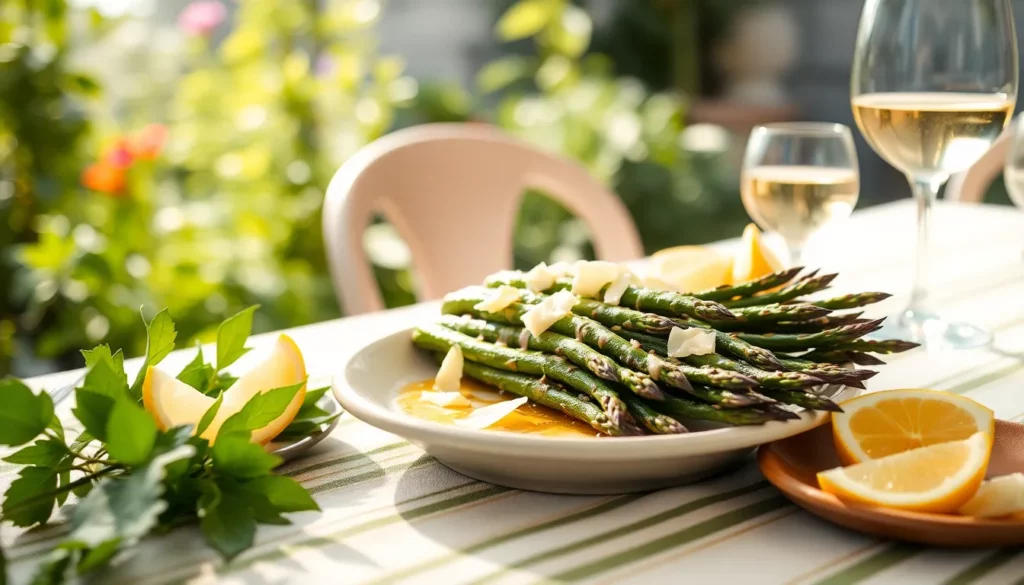
Asparagi is the Italian term for asparagus, a perennial vegetable that has been cultivated in Italy since ancient Roman times. In Italian cuisine, Asparagi refers not only to the vegetable itself but also to the myriad of traditional preparations that highlight its delicate flavor and tender texture. The most common varieties are green asparagus (asparagi verdi), white asparagus (asparagi bianchi), and the rarer purple asparagus (asparagi viola). Key ingredients in classic Italian asparagus dishes include extra-virgin olive oil, butter, Parmigiano-Reggiano, eggs, and sometimes prosciutto or pancetta. The essence of Italian asparagus cookery lies in minimalism: the vegetable is allowed to shine with simple, high-quality accompaniments.
Origin & History
Asparagus has been prized in Italy for over two millennia. The ancient Romans, including the naturalist Pliny the Elder, wrote extensively about asparagus cultivation. Pliny noted that the best asparagus came from Ravenna, where it grew wild along the Adriatic coast. The vegetable was so valued that Emperor Augustus reportedly coined the phrase “velocius quam asparagi coquuntur” (faster than cooking asparagus) to describe swift action. During the Renaissance, asparagus became a staple of aristocratic tables, particularly in the Veneto and Lombardy regions. The white asparagus of Bassano del Grappa, a town in the Veneto, gained fame in the 16th century when it was cultivated under mounds of soil to prevent photosynthesis, resulting in a pale, tender spear. This method, known as imbianchimento (blanching), is still practiced today. Contrary to some myths, asparagus was not introduced to Italy from the Middle East; it is native to the Mediterranean basin and has been foraged and farmed continuously since antiquity.
What’s In It
The core ingredients for Italian asparagus dishes are remarkably simple. For a basic preparation, you need fresh asparagus (green, white, or purple), water or broth for blanching, and a finishing fat such as extra-virgin olive oil or butter. Salt and pepper are the only seasonings required. More elaborate recipes add Parmigiano-Reggiano shavings, a fried egg (as in Asparagi alla Milanese), or cured meats like prosciutto crudo. Preparation nuances vary by color: white asparagus must be peeled from just below the tip to the base to remove its fibrous outer layer, while green asparagus usually only needs the woody ends snapped off. Purple asparagus, which is sweeter, is often eaten raw in salads. Unlike similar Italian vegetable dishes such as Carciofi alla Romana (artichokes braised with mint and garlic), asparagus preparations rarely involve heavy herbs or long cooking times. The goal is to preserve the vegetable’s natural crunch and grassy, slightly bitter flavor.
Regional Variations
Italian asparagus dishes differ markedly from north to south, reflecting local terroir and culinary traditions. The table below compares three major regional styles.
| Region | Typical Dish | Key Ingredients | Preparation Method |
|---|---|---|---|
| Lombardy | Asparagi alla Milanese | Green asparagus, butter, Parmigiano-Reggiano, fried egg | Asparagus is boiled or steamed, then topped with a fried egg and grated Parmigiano; often served as a main course. |
| Veneto | Asparagi Bianchi di Bassano | White asparagus, extra-virgin olive oil, lemon, salt | Peeled white asparagus is boiled until tender, then dressed with oil and lemon; sometimes served with a soft-boiled egg or salsa olandese. |
| Lazio | Asparagi alla Romana | Green asparagus, butter, pecorino romano, black pepper | Asparagus is boiled, then sautéed in butter and finished with grated pecorino and a crack of black pepper. |
In Puglia, asparagus is often grilled over wood embers and drizzled with local olive oil, while in Tuscany it may appear in a spring frittata with wild herbs. The purple variety, asparagi viola di Albenga, is a specialty of Liguria and is typically eaten raw in pinzimonio (a dip of olive oil and salt).
How It’s Traditionally Eaten
In Italian dining, asparagus can appear in multiple courses. It is most commonly served as a contorno (side dish) alongside roasted meats or fish, especially during spring. When prepared as Asparagi alla Milanese, it becomes a secondo (main course) because of the egg. Asparagus also features in primi (first courses) such as risotto agli asparagi or pasta con asparagi. The vegetable is a seasonal highlight from March to June, and it is particularly associated with Easter celebrations. In the Veneto, white asparagus is the star of dedicated festivals, such as the Sagra degli Asparagi in Bassano del Grappa, where it is paired with local wines like Prosecco or Soave. Everyday consumption is simple: boiled or grilled asparagus served at room temperature as an antipasto or contorno.
Common Mistakes / What It’s Not
A frequent error in non-Italian kitchens is overcooking asparagus until it becomes mushy. Italians prefer a firm-tender bite, achieved by blanching for 2–4 minutes or grilling briefly. Another mistake is failing to peel white asparagus, which results in a stringy, unpleasant texture. Additionally, many American-Italian restaurants serve asparagus with heavy cream sauces or melted cheese that mask its delicate flavor; authentic Italian preparations use butter, oil, or egg sparingly. Asparagi is not a pasta dish, though it can accompany pasta. It is also not a soup, although asparagus can be used in minestra. Finally, do not confuse Asparagi alla Milanese with Ossobuco alla Milanese—the former is a vegetable dish, the latter a braised veal shank.
Where to Try It / What to Order
For an authentic experience, visit the Veneto region in spring. In Bassano del Grappa, restaurants like Al Castello or Osteria al Ponte serve white asparagus with local olive oil and soft-boiled eggs. In Milan, seek out Trattoria del Nuovo Macello for a classic Asparagi alla Milanese. In Rome, Armando al Pantheon offers a traditional Asparagi alla Romana. Travelers should look for seasonal menus marked “primavera” (spring) and ask for “asparagi di stagione”. Ordering tip: specify whether you prefer green or white, and if you want them “al dente” (firm). Many towns host asparagus sagre (festivals) in April and May, where you can taste multiple preparations.
Related Dishes
- Carciofi alla Romana
- Risotto agli Asparagi
- Frittata di Asparagi
- Asparagi alla Parmigiana
- Insalata di Asparagi
FAQ
What is the difference between green and white asparagus?
Green asparagus grows above ground and develops chlorophyll, giving it a grassy flavor and green color. White asparagus is grown under mounds of soil to block sunlight, preventing chlorophyll formation; it has a milder, slightly nutty taste and a more tender texture. White asparagus must be peeled before cooking.
How do you prepare Asparagi alla Milanese?
To prepare Asparagi alla Milanese, trim and boil or steam green asparagus until tender. Meanwhile, fry an egg in butter until the white is set but the yolk remains runny. Place the asparagus on a plate, top with the fried egg, and generously grate Parmigiano-Reggiano over the top. Season with salt and pepper and serve immediately.
What is the best way to cook Italian asparagus?
The best method depends on the variety. For green asparagus, blanch in salted boiling water for 2–4 minutes until bright green and tender-crisp, then shock in ice water. For white asparagus, peel the stalks, then boil gently for 8–12 minutes until a knife pierces easily. Grilling over medium heat for 5–7 minutes also works well for both types. Always finish with a drizzle of good extra-virgin olive oil.
Can you eat purple asparagus raw?
Yes, purple asparagus is sweeter and less fibrous than green or white varieties, making it ideal for raw preparations. It is often served in pinzimonio (a dip of olive oil and salt) or shaved into salads.
What wine pairs well with asparagus dishes?
Asparagus can be challenging to pair with wine due to its slight bitterness. Light, crisp white wines such as Soave, Pinot Grigio, or a dry Prosecco work well. For white asparagus, a Gavi di Gavi or a Vermentino complements its delicate flavor.



Leave a Reply