
Short Answer
What It Is
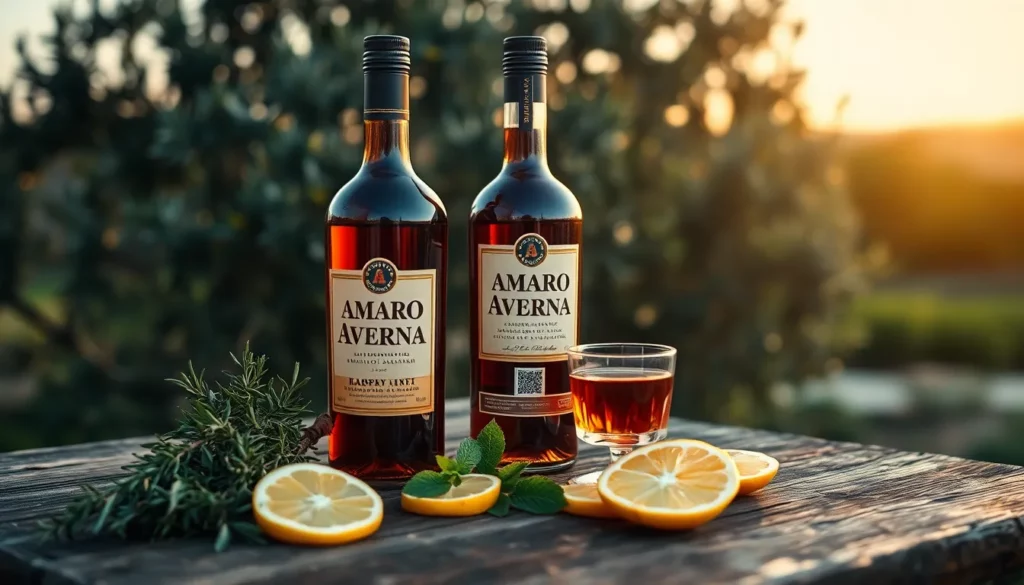
Amaro (plural: amari) is a category of Italian herbal liqueurs characterized by a distinct bitter-sweet flavor profile. The word “amaro” translates to “bitter” in Italian, reflecting the prominent bitterness derived from a complex blend of botanicals. These liqueurs are traditionally consumed as a digestivo after meals, believed to aid digestion due to their herbal properties.
The origins of amaro trace back to medieval monastic traditions, where monks prepared medicinal elixirs using locally foraged herbs, roots, and barks. By the 19th century, commercial production began, with brands like Averna (1868), Ramazzotti (1815), and Montenegro (1885) establishing recipes that remain largely unchanged today. Each amaro is produced by macerating or infusing a proprietary blend of botanicals—often including gentian root, cinchona bark, rhubarb, angelica, chamomile, saffron, and citrus peels—in a neutral alcohol base. After maceration (lasting from weeks to months), the liquid is filtered, sweetened with sugar or caramel, and aged in tanks or oak barrels to harmonize the flavors.
While amaro is not a single DOP (Denominazione di Origine Protetta) product, several amari have received IGP (Indicazione Geografica Protetta) status or are recognized as Traditional Specialties Guaranteed (TSG). For example, Amaro del Capo (Calabria) holds IGP certification, and Amaro Lucano (Basilicata) is a TSG. Many others are produced under strict regional guidelines, ensuring authenticity. The production is concentrated in regions like Sicily, Calabria, Emilia-Romagna, Lombardy, and Veneto, each contributing unique botanical profiles.
Types & Grades
Amari vary widely in bitterness, sweetness, alcohol content (typically 20–40% ABV), and aging. Some are meant to be consumed young, while others benefit from barrel aging. Below is a table of notable amari, their regions, key botanicals, aging, and ABV.
| Name | Region | Key Botanicals | Aging | ABV |
|---|---|---|---|---|
| Amaro Averna | Sicily | Citrus, herbs, roots | Unaged or short | 29% |
| Amaro Lucano | Basilicata | Gentian, rhubarb, chamomile | 6 months in oak | 28% |
| Amaro Montenegro | Emilia-Romagna | 40 botanicals including wormwood, vanilla | 2 years in oak | 23% |
| Fernet-Branca | Lombardy | Myrrh, saffron, aloe, gentian | 1 year in oak | 39% |
| Cynar | Veneto | Artichoke leaves, herbs | Unaged | 16.5% |
| Amaro del Capo (IGP) | Calabria | Bergamot, licorice, herbs | Unaged | 35% |
| Amaro Nonino | Friuli | Rhubarb, saffron, gentian | 2 years in barrique | 35% |
Grades: Some amari offer “Riserva” or aged versions (e.g., Averna Riserva, aged in barriques; Montenegro Aged). These have deeper, more complex flavors and are often sipped neat. Others are classified by bitterness level: “amaro dolce” (sweet) vs. “amaro amaro” (very bitter).
How It’s Used in Cooking
Beyond the glass, amaro is a versatile ingredient in Italian cuisine. Its bitter-sweet complexity enhances both savory and sweet dishes.
Traditional Digestivo
Serve chilled or at room temperature in a small glass after meals. Some prefer it with a slice of orange or lemon.
Cocktails
Amari are essential in classic Italian cocktails: Negroni (Campari, gin, sweet vermouth), Americano (Campari, sweet vermouth, soda), Aperol Spritz (Aperol, prosecco, soda). Fernet-Branca is used in the Fernet con Coca (Fernet and cola).
Desserts
Amari add depth to tiramisu, panna cotta, and gelato. For example, Amaro Averna is used in chocolate cake recipes, and Amaro Montenegro is drizzled over vanilla ice cream. A traditional Sicilian dessert is “Cassata al Amaro” with ricotta and amaro-soaked sponge.
Savory Dishes
Use amaro in marinades for meats (pork, beef), in braises, or in sauces. A classic recipe: “Risotto all’Amaro” where amaro is added to the broth for a bitter note that pairs with mushrooms or radicchio. Fernet-Branca is sometimes used in liver pâtés or as a deglazing liquid for pan sauces.
“Amaro is not just a drink; it is a liquid memory of the Italian countryside, capturing the essence of wild herbs and sun-drenched citrus.” – Traditional Italian saying
How to Choose/Identify Authentic Amaro
With the global popularity of amaro, many imitations exist. Here’s how to ensure you’re buying authentic Italian amaro:
- Check the label: Look for “Prodotto in Italia” (Made in Italy) and the producer’s address. Authentic amari often have a long history and family-owned heritage.
- Look for certifications: IGP (e.g., Amaro del Capo IGP) or TSG (e.g., Amaro Lucano) indicate protected status. DOP is rare but exists for some regional specialties.
- Read the ingredient list: Authentic amaro uses natural botanicals, not artificial flavors. The list should include herbs, roots, and citrus peels.
- Consider the price: Quality amaro is not cheap. Extremely low prices may indicate synthetic ingredients or mass production.
- Bottle design: Many traditional amari have distinctive, often ornate bottles that reflect their heritage. However, design alone is not a guarantee.
- Taste profile: Authentic amaro has a balanced bitterness with complex herbal notes, not just harsh bitterness or excessive sweetness.
For commercial buyers, sourcing from reputable Italian distributors or directly from producers ensures authenticity. Always verify the importer’s credentials.
Substitutes
If a specific amaro is unavailable, consider these Italian substitutes:
- Amaro Averna: Substitute with Amaro Ramazzotti or Amaro Montenegro (slightly sweeter).
- Fernet-Branca: Use Fernet-Milano or other fernet-style amari. For a milder option, try Amaro Lucano.
- Cynar: Substitute with Amaro del Capo (similar artichoke notes) or a mix of Averna and a bitter herbal liqueur.
- Campari: While technically a bitter aperitif, it can be replaced with Aperol (sweeter) or a mix of amaro and soda.
For non-Italian substitutes, Jägermeister (German) or Unicum (Hungarian) are herbal liqueurs but have different flavor profiles. In cooking, you can use other herbal liqueurs like Chartreuse or Benedictine, but adjust sweetness as they are sweeter. Alternatively, make a DIY amaro by combining gentian tincture, simple syrup, and herbal tea.
Amaro is a cornerstone of Italian culinary tradition, offering a complex world of bitter-sweet flavors rooted in centuries of herbal knowledge. Whether enjoyed as a digestivo, mixed into cocktails, or used in cooking, authentic amaro brings a taste of Italy’s diverse regions. By understanding its production, types, and how to identify genuine products, you can fully appreciate this remarkable elixir. Explore the amari mentioned above and discover your personal favorite.
FAQ
What is the difference between amaro and fernet?
Fernet is a specific type of amaro that is typically more bitter, higher in alcohol (often 39–45% ABV), and features a distinct medicinal flavor profile with ingredients like myrrh, saffron, and aloe. While all fernets are amari, not all amari are fernets.
Can amaro be used in cooking?
Yes, amaro is a versatile cooking ingredient. It adds bitter-sweet complexity to desserts (e.g., tiramisu, panna cotta, gelato), savory dishes (e.g., risotto, marinades, braises), and cocktails. Use it sparingly as its flavor is potent.
How should I store amaro?
Store amaro in a cool, dark place away from direct sunlight. Once opened, it does not require refrigeration but should be consumed within a few years for optimal flavor. The high sugar and alcohol content act as preservatives.
What is the best amaro for beginners?
Amaro Averna is often recommended for beginners due to its balanced sweetness and moderate bitterness. Amaro Montenegro and Amaro Ramazzotti are also approachable. For a lighter option, try Cynar (artichoke-based) or Aperol (sweeter, lower alcohol).
Leave a Reply