
Short Answer
What It Is
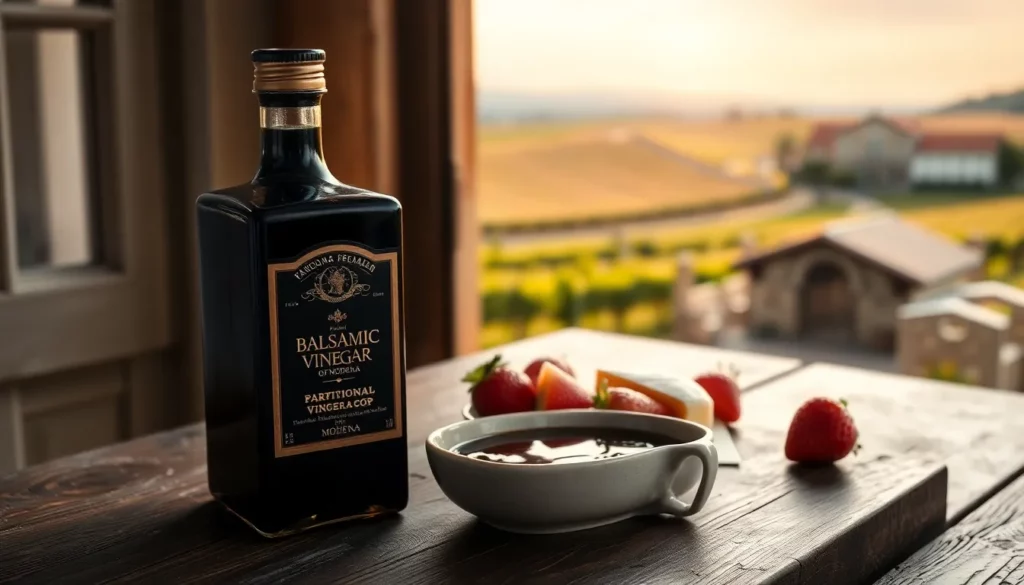
Balsamic vinegar is a dark, complex, and sweet-sour condiment that originates from the Italian provinces of Modena and Reggio Emilia. Its production is governed by strict European Union designations: Traditional Balsamic Vinegar of Modena DOP (Denominazione di Origine Protetta) and Traditional Balsamic Vinegar of Reggio Emilia DOP, as well as the more widely available Balsamic Vinegar of Modena PGI (Indicazione Geografica Protetta).
The traditional method involves cooking the must (freshly pressed grape juice, typically from Trebbiano or Lambrusco grapes) until it reduces by about 30–50%, then fermenting and aging it in a series of wooden barrels made from oak, chestnut, cherry, ash, mulberry, or juniper. The aging process, which lasts a minimum of 12 years for the youngest DOP grade and up to 25 years or more for the Extra Vecchio grade, takes place in a batteria (a set of progressively smaller barrels). Each year, a small amount is drawn from the smallest barrel and topped up from the next, creating a continuous solera-like system that concentrates flavor and develops a syrupy, glossy texture.
In contrast, the PGI version—often labeled simply as Aceto Balsamico di Modena—is a blend of wine vinegar (usually from cooked or concentrated grape must) and aged grape must, sometimes with added caramel for color. It must be aged for a minimum of 60 days, though premium versions may age for three years or more. While less complex than the DOP, it is still a versatile and flavorful ingredient.
Types & Grades
Balsamic vinegar is categorized by its designation and aging. The table below summarizes the main grades:
| Type | Designation | Minimum Aging | Key Characteristics |
|---|---|---|---|
| Traditional Balsamic Vinegar of Modena DOP | DOP | 12 years (Affinato) / 25 years (Extra Vecchio) | Thick, syrupy, sweet-sour, no additives; aged in wooden barrels; complex aroma |
| Traditional Balsamic Vinegar of Reggio Emilia DOP | DOP | 12 years (Affinato) / 25 years (Extra Vecchio) | Similar to Modena but with slightly different barrel wood traditions; also DOP |
| Balsamic Vinegar of Modena PGI | PGI | 60 days (minimum); often 2–3 years for premium | Blend of wine vinegar and grape must; may contain caramel; less viscous; more acidic |
| Condimento Balsamico | No official designation | Varies (often 3–10 years) | Similar production to DOP but not from the designated area; can be excellent quality |
Additionally, there are Balsamic Glazes (often thickened with starches or sugars) and Balsamic Creams (emulsified with stabilizers), which are not true balsamic vinegars but convenient culinary shortcuts.
How It’s Used in Cooking
In Italian cuisine, balsamic vinegar is revered for its ability to balance acidity and sweetness. Traditional DOP balsamic is typically used as a finishing condiment—drizzled over Parmigiano-Reggiano, strawberries, vanilla ice cream, or grilled meats. A few drops can elevate a simple dish to a gastronomic experience.
PGI balsamic vinegar is more versatile for cooking. It is used in marinades for poultry and pork, in salad dressings (often whisked with olive oil), and to deglaze pans for sauces. Classic dishes include:
- Balsamic-Glazed Pork Tenderloin – a reduction of PGI balsamic with honey and rosemary.
- Caprese Salad – a drizzle of balsamic over fresh mozzarella, tomatoes, and basil.
- Balsamic Roasted Vegetables – tossed with balsamic and olive oil before roasting.
- Strawberries with Balsamic – a simple dessert where the vinegar enhances the fruit’s sweetness.
“Balsamic vinegar is not just a condiment; it is a bridge between the earth and the palate, a liquid memory of the sun-drenched hills of Emilia-Romagna.” – Traditional Italian saying
Chefs also use balsamic reductions as a sauce base, or incorporate it into vinaigrettes, glazes, and even cocktails. The key is to use it sparingly—its intensity can overwhelm other flavors.
How to Choose/Identify Authentic BALSAMIC VINEGAR
For commercial buyers and home cooks, distinguishing authentic balsamic vinegar from imitations is crucial. Follow these guidelines:
- Check the label for DOP or PGI seals. Traditional Balsamic DOP will have a numbered bottle and a seal from the Consorzio. PGI bottles will have the EU PGI logo.
- Read the ingredients list. Authentic DOP balsamic contains only cooked grape must (no wine vinegar, no caramel, no thickeners). PGI versions list wine vinegar and grape must, and may include caramel (E150d). Avoid products with added sugar, corn syrup, or artificial flavors.
- Look for the aging statement. DOP balsamic must state “12 anni” or “25 anni” (or “Extra Vecchio”). PGI may indicate “invecchiato” (aged) but the minimum is only 60 days; premium PGI will specify years.
- Examine the bottle. Traditional DOP balsamic is sold in a distinctive square glass bottle designed by Giugiaro. PGI bottles vary, but quality producers often use dark glass to protect from light.
- Price as a guide. True DOP balsamic is expensive (€30–€100+ for 100ml). Very cheap “balsamic vinegar” is almost certainly a mass-produced imitation.
- Check the origin. Authentic balsamic comes only from Modena or Reggio Emilia. If the label says “Product of Italy” but not the specific province, it may be a generic product.
For professional kitchens, investing in a DOP balsamic for finishing and a good PGI for cooking is a practical approach.
Substitutes
When authentic balsamic vinegar is unavailable, several Italian substitutes can be used, each with its own character:
- Balsamic Glaze (or Reduction) – A cooked-down balsamic (often with sugar) that mimics the syrupy texture of DOP. It is sweeter and less complex, but works well as a drizzle.
- Red Wine Vinegar with Honey or Sugar – A quick approximation for dressings: mix 3 parts red wine vinegar with 1 part honey, then simmer to reduce slightly. Lacks the wood-aged notes.
- Sherry Vinegar (Reserva) – Spanish sherry vinegar, especially aged, offers a similar sweet-sour profile and nutty complexity. It is a good substitute in marinades and glazes.
- Pomegranate Molasses – A Middle Eastern ingredient with a sweet-tart, syrupy consistency. Works in dressings and glazes, though the flavor is distinctly fruity.
- Traditional Balsamic of Modena PGI (Premium) – If you cannot find DOP, a high-quality PGI aged 3+ years is the closest substitute, though it will be more acidic and less viscous.
Each substitute alters the final dish, so choose based on the recipe’s needs. For a finishing touch, nothing replaces true DOP balsamic.
Conclusion
Balsamic vinegar is a testament to Italian culinary craftsmanship, with a heritage that spans centuries. Understanding the differences between DOP and PGI, the aging grades, and the proper uses allows cooks to select the right product for every application. Whether drizzled over aged cheese or used to glaze roasted vegetables, authentic balsamic vinegar brings a unique depth of flavor that elevates simple ingredients into memorable dishes. By following the authenticity cues outlined here, you can confidently navigate the market and enjoy the true taste of Emilia-Romagna.
FAQ
What is the difference between DOP and PGI balsamic vinegar?
DOP (Traditional Balsamic Vinegar) is made exclusively from cooked grape must, aged for at least 12 years in a battery of wooden barrels, and produced only in Modena or Reggio Emilia. PGI (Balsamic Vinegar of Modena) is a blend of wine vinegar and grape must, may contain caramel, and has a minimum aging of 60 days. DOP is thicker, sweeter, and more complex; PGI is more acidic and versatile for cooking.
How should I store balsamic vinegar?
Store balsamic vinegar in a cool, dark place away from direct sunlight and heat. The bottle should be tightly sealed. Traditional DOP balsamic does not require refrigeration; PGI balsamic can be kept in a pantry. Avoid storing near the stove or in the refrigerator, as cold can cause cloudiness (though it clears at room temperature).
Can I use balsamic vinegar for cooking if it is expensive?
For cooking, a good-quality PGI balsamic vinegar (aged 2–3 years) is ideal. Reserve expensive DOP balsamic for finishing dishes, drizzling over cheese, or desserts. Using a fine DOP in a marinade would waste its complexity, as heat diminishes its nuanced flavors.

Leave a Reply