Short Answer
What It Is
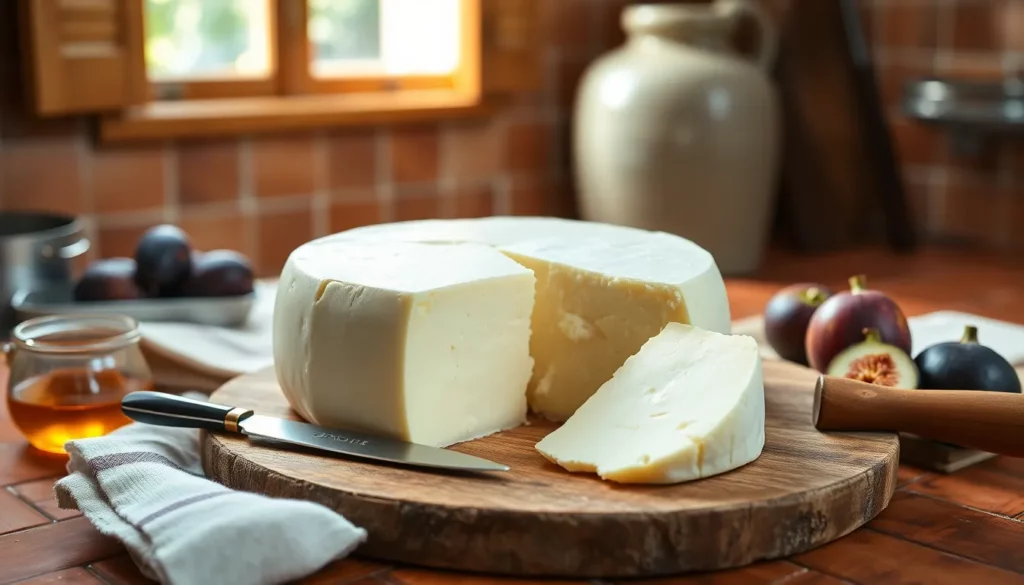
Stracchino (pronounced strah-KEE-noh) is a soft, fresh Italian cheese with a creamy texture and a mild, slightly tangy flavor. Its name derives from the Lombard dialect word stracca, meaning “tired,” referring to the cows that produced the milk after their long seasonal migration from the Alpine pastures to the Po Valley. This traditional cheese is a product of Lombardy, particularly the provinces of Bergamo, Brescia, Como, Cremona, Lecco, Lodi, Milan, Monza e Brianza, Pavia, Sondrio, and Varese.
Stracchino is made from whole cow’s milk, which is gently coagulated with rennet and then left to drain briefly. The resulting curd is not pressed or cooked, giving the cheese its characteristic soft, spreadable consistency. The aging period is very short—typically from a few days up to about 20 days—so the cheese retains a high moisture content and a delicate, milky flavor. While there is no single DOP for all Stracchino, the Stracchino di Gorgonzola (a young, unripened version of Gorgonzola) is protected under the Gorgonzola DOP. Additionally, Stracchino di Crescenza is a traditional product recognized by the Italian Ministry of Agricultural Policies.
“Stracchino is the cheese of the transhumance—a testament to the rhythm of the seasons and the wisdom of Alpine herders.” — Italian Cheese Journal
Types & Grades
Stracchino is not a single cheese but a family of soft, fresh cheeses. The main variations depend on the milk source, aging, and production method. Below is a table summarizing the most common types:
| Type | Milk Source | Aging | Texture & Flavor | DOP/Recognition |
|---|---|---|---|---|
| Stracchino di Crescenza | Cow’s milk (often from Lombardy) | 5–10 days | Soft, spreadable; mild, slightly sweet | Traditional Product (PAT) |
| Stracchino di Gorgonzola | Cow’s milk (same as Gorgonzola) | 10–20 days | Soft, creamy; mild, with a hint of blue mold | DOP (as part of Gorgonzola) |
| Stracchino di Monte | Cow’s milk from high-altitude pastures | 7–15 days | Firmer, more aromatic; grassy notes | No DOP, but artisanal |
| Stracchino di Capra (Goat) | Goat’s milk (rare) | 5–10 days | Soft, tangy; distinct caprine flavor | No DOP |
In general, younger Stracchino (3–5 days) is very soft and almost spreadable, while slightly aged versions (10–20 days) develop a firmer, yet still creamy, texture and a more pronounced tanginess.
How It’s Used in Cooking
Stracchino’s mild, creamy character makes it incredibly versatile in Italian cuisine. It is often enjoyed fresh, but also shines in cooked dishes. Here are the most traditional applications:
Fresh Applications
- On bread or crackers – Spread Stracchino on crusty bread, drizzle with extra-virgin olive oil, and sprinkle with black pepper or fresh herbs.
- In salads – Crumble or slice Stracchino over mixed greens, tomatoes, and basil for a simple insalata caprese variation.
- With fruit – Pair with figs, pears, or grapes for a sweet-savory appetizer.
Cooked Dishes
- Frittata – Fold cubes of Stracchino into beaten eggs before cooking for a creamy, rich texture.
- Risotto – Stir in Stracchino at the end of cooking to create a velvety, cheesy risotto (e.g., risotto con stracchino).
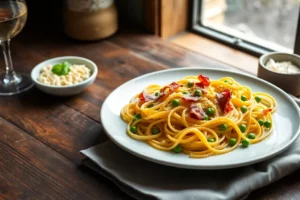
- Pasta – Toss with hot pasta, butter, and sage for a quick pasta al burro e stracchino.
- Baked dishes – Use as a filling for crespelle (Italian crêpes) or as a topping for pizza bianca.
“In Lombardy, Stracchino is the soul of a simple polenta e stracchino—a dish that warms the heart and honors the land.” — Traditional Lombard saying
How to Choose/Identify Authentic Stracchino
When buying Stracchino, look for these authenticity cues to ensure you’re getting a genuine product:
- Origin – Authentic Stracchino comes from Lombardy. Check the label for the producer’s location or the DOP/PAT seal.
- Appearance – The cheese should be a uniform ivory to pale yellow color, with a smooth, moist surface. Avoid any signs of drying or cracking.
- Texture – It should be soft, creamy, and slightly yielding to the touch. If it’s too firm or rubbery, it may be over-aged or not genuine.
- Aroma – Fresh, milky, with a hint of yogurt and grass. No ammonia or strong odors.
- Labeling – Look for “Stracchino di Crescenza” (PAT) or “Stracchino di Gorgonzola” (DOP). Generic “Stracchino” may still be authentic, but check the producer’s reputation.
- Packaging – Often sold in a thin rind or wrapped in paper. Vacuum-packed versions are common for longer shelf life, but fresh, unwrapped Stracchino from a deli counter is ideal.
For commercial buyers, sourcing from recognized consortia (e.g., Consorzio per la Tutela del Formaggio Gorgonzola) guarantees authenticity.
Substitutes
If Stracchino is unavailable, these Italian cheeses can serve as substitutes, depending on the dish:
- Crescenza – Essentially the same cheese; often used interchangeably. It is slightly firmer but equally creamy.
- Robiola – A soft, spreadable cheese from Piedmont and Lombardy. It has a similar texture but a more pronounced tanginess and sometimes a bloomy rind.
- Taleggio – A washed-rind cheese with a stronger aroma and flavor. Use in cooked dishes where a bolder taste is desired, but not for fresh applications.
- Mascarpone – Much richer and sweeter, suitable only for desserts or as a spread when Stracchino is used in a sweet context.
For cooking, a mixture of fresh mozzarella and cream cheese can approximate the texture, but the flavor will lack the subtle tang of Stracchino.
Conclusion
Stracchino is a quintessential Lombardian cheese that embodies the region’s pastoral heritage. Its soft, creamy texture and mild flavor make it a versatile ingredient in both fresh and cooked preparations. Whether you enjoy it on a slice of bread, melted into risotto, or paired with fruit, Stracchino offers a taste of Italy’s dairy tradition. When purchasing, prioritize authentic varieties from Lombardy, and look for DOP or PAT designations to ensure quality. This cheese is a delightful addition to any cheese board or kitchen pantry.
FAQ
What is the difference between Stracchino and Crescenza?
Stracchino and Crescenza are often used interchangeably, but Crescenza is a specific type of Stracchino from the Lombardy region. Both are soft, fresh cheeses, but Crescenza is typically slightly firmer and aged a few days longer. In practice, they are very similar and can be substituted for one another.
Is Stracchino a DOP cheese?
Not all Stracchino is DOP. The variety known as Stracchino di Gorgonzola is protected under the Gorgonzola DOP. Stracchino di Crescenza is recognized as a Traditional Product (PAT) by the Italian government. Generic Stracchino may not have a protected designation, so look for specific labels.
Can Stracchino be used in cooking or is it only for eating fresh?
Stracchino is excellent both fresh and cooked. It melts beautifully, making it ideal for risottos, pasta, frittatas, and baked dishes. Its mild flavor complements other ingredients without overpowering them.

Leave a Reply