
Short Answer
What Is Alloro? Italian Herb Explained
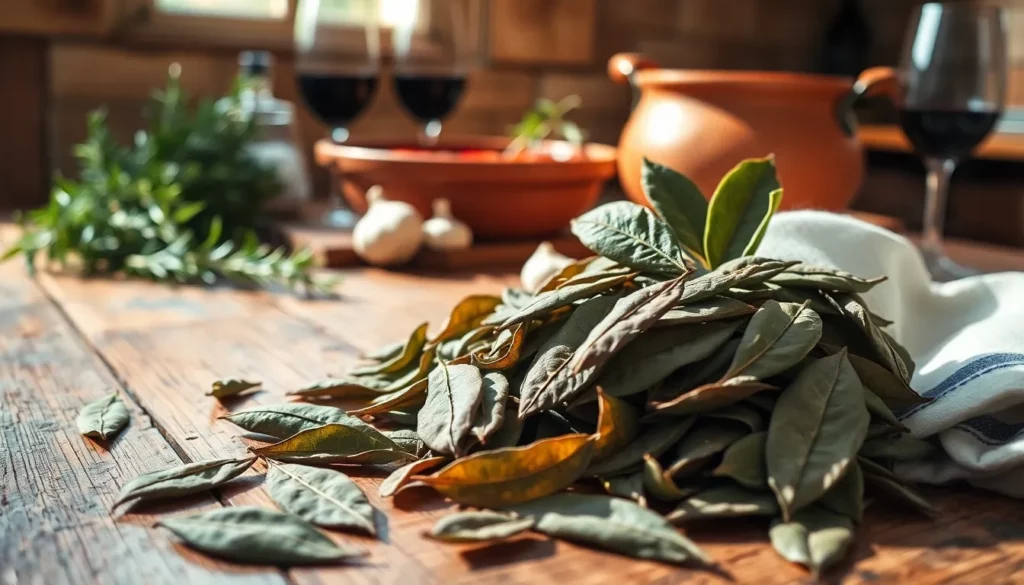
Alloro is the Italian term for the bay leaf, derived from the evergreen shrub or tree Laurus nobilis. Native to the Mediterranean region, alloro is a fundamental aromatic herb in Italian cuisine, prized for its subtle, herbal fragrance and slightly bitter, balsamic flavor. It is used whole or crushed in slow-cooked dishes, soups, stews, and sauces, and is typically removed before serving. Unlike many other herbs, alloro is rarely eaten raw; its leaves are tough and can be unpleasant to chew. The herb is a key component of the classic Italian soffritto and is often paired with rosemary, thyme, and sage.
Origin & History
The use of bay leaves dates back to ancient Greece and Rome, where the plant was sacred to Apollo and associated with victory, wisdom, and protection. Laurel wreaths crowned emperors, poets, and athletes. In Italy, alloro has been cultivated for millennia, particularly in the central and southern regions. The Etruscans and Romans used it both in cooking and for medicinal purposes. During the Middle Ages, bay leaves were a staple in monastic gardens and were traded along the Silk Road. The first documented Italian cookbook, De re coquinaria by Apicius (1st century AD), includes recipes with laurel leaves. In modern times, alloro remains a symbol of Italian culinary tradition, with the best-quality leaves coming from Liguria, Tuscany, and Sicily.
What’s In It
Alloro leaves contain essential oils such as eucalyptol, linalool, and pinene, which give them their characteristic aroma. The leaves are harvested year-round but are most flavorful when dried. Fresh alloro has a more delicate taste, while dried leaves are more concentrated. In Italian cooking, alloro is used to infuse flavor into broths, braised meats, fish stews, and legume dishes. It is also a key ingredient in porchetta (roasted pork) and cacciucco (Tuscan fish stew). Unlike similar-sounding herbs like alloro di montagna (mountain laurel, which is toxic), true alloro is safe for consumption. It should not be confused with laurel cherry or California bay, which have different flavor profiles.
Regional Variations
While alloro is used throughout Italy, its application varies by region:
| Region | Typical Use | Notable Dish |
|---|---|---|
| Liguria | Fresh leaves in pesto and vegetable soups | Minestrone alla Genovese |
| Tuscany | Dried leaves in bean stews and roasted meats | Fagioli all’Uccelletto |
| Sicily | Whole leaves in fish broths and caponata | Pesce Spada alla Ghiotta |
| Campania | Infused in tomato sauces and ragù | Ragù Napoletano |
| Lazio | In braised artichokes and lamb dishes | Abbacchio alla Romana |
How It’s Traditionally Eaten
Alloro is never eaten as a standalone dish; it is a seasoning. It is added to soffritto (a base of onion, carrot, and celery) at the beginning of cooking, or placed whole in simmering liquids. It is always removed before serving, as the leaves are tough and can be a choking hazard. In Italian meal structure, alloro appears in primi (soups, risottos, pasta sauces) and secondi (meat and fish dishes). It is also used in contorni (side dishes) like roasted potatoes or lentils. Alloro is not typically associated with holidays, but it is a constant presence in everyday home cooking, especially in winter stews and bean dishes.
Common Mistakes / What It’s Not
A frequent misconception, especially in American-Italian cooking, is that alloro can be used interchangeably with California bay leaf (Umbellularia californica). California bay has a much stronger, almost camphor-like flavor that can overpower dishes. True Italian alloro is milder and more floral. Another mistake is using fresh alloro in the same quantity as dried; fresh leaves are less potent, so more may be needed. Some cooks also leave the leaf in the dish after serving, which is incorrect—it should always be removed. Alloro is not a substitute for alloro di montagna (mountain laurel), which is toxic. Finally, alloro is not a spice but an herb; it should be used sparingly to avoid bitterness.
Where to Try It / What to Order
To experience authentic alloro, visit Italy and seek out dishes where it plays a starring role. In Tuscany, order Fagioli all’Uccelletto (beans cooked with sage and alloro) or Bistecca alla Fiorentina (grilled steak often seasoned with alloro). In Liguria, try Minestrone alla Genovese with fresh alloro. In Sicily, Pesce Spada alla Ghiotta (swordfish stew) is infused with alloro. For home cooks, purchase dried alloro from Italian specialty stores or online retailers like Gustiamo or Eataly. Look for leaves that are whole, greenish-brown, and aromatic. Avoid pre-ground bay leaf powder, which loses flavor quickly.
Related Dishes
FAQ
What is Alloro in Italian cooking?
Alloro is the Italian word for bay leaf, an aromatic herb used to flavor soups, stews, sauces, and braised dishes. It is typically removed before serving.
Can I use California bay leaf instead of Alloro?
No, California bay leaf (Umbellularia californica) has a much stronger, camphor-like flavor that can overpower dishes. True Italian alloro is milder and more floral.
How do I store dried Alloro?
Store dried alloro in an airtight container away from light, heat, and moisture. Properly stored, it can retain flavor for up to a year.
Is fresh Alloro better than dried?
Both have their uses. Fresh alloro is more delicate and best for quick-cooking dishes, while dried is more concentrated and ideal for long simmers. Use about twice as much fresh as dried.
What dishes commonly use Alloro?
Alloro is used in minestrone, ragù, porchetta, cacciucco, fagioli all'uccelletto, and many bean and lentil soups.



Leave a Reply