
Short Answer
What Is Buridda? Italian Seafood Stew Explained
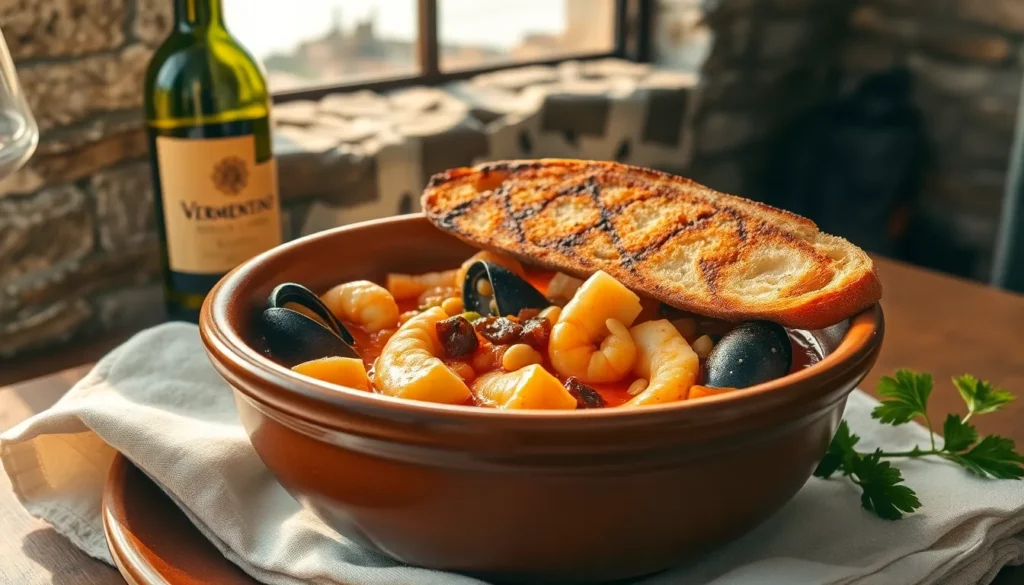
Buridda is a traditional Italian seafood stew originating from the Ligurian coast, particularly the port city of Genoa. It is a rustic, one-pot dish made with a variety of fresh fish, shellfish, tomatoes, white wine, garlic, and aromatic herbs such as parsley and marjoram. Unlike the more refined bouillabaisse of Marseille, buridda is a humble fisherman’s meal, designed to use the catch of the day and often includes inexpensive fish like scorpionfish, red mullet, or even dried cod (baccalà). The stew is typically thickened with bread or, in some versions, with pine nuts and raisins, giving it a unique sweet-savory balance. Buridda is served as a secondo (main course) or sometimes as a primo (first course) with crusty bread for dipping.
Origin & History
Buridda has deep roots in the maritime culture of Liguria, a narrow coastal region in northwestern Italy. The name itself is believed to derive from the Spanish word borrida (meaning ‘mess’ or ‘stew’), reflecting the dish’s origins as a improvised meal cooked by fishermen on their boats. Historical records suggest that buridda was already being prepared in the 16th century, when Genoa was a powerful maritime republic. Unlike the aristocratic dishes of the inland courts, buridda was a practical, everyday meal for the working class. Over time, it evolved into a symbol of Ligurian culinary identity, with each coastal village adding its own twist. A popular anecdote tells of Genoese sailors who, after long voyages, would combine leftover fish with local vegetables and wine to create a hearty stew—this is the essence of buridda.
What’s In It
The core ingredients of buridda are simple but require careful selection. The base always includes fresh fish (such as scorpionfish, red mullet, sea bass, or monkfish), shellfish (mussels, clams, or shrimp), tomatoes (fresh or canned), white wine, garlic, olive oil, and herbs (parsley, marjoram, or thyme). Some traditional versions incorporate pine nuts and raisins, a nod to the Ligurian love for sweet-savory combinations (as seen in pesto or farinata). The stew is often thickened with stale bread or croutons, which absorb the flavorful broth. Preparation nuances: the fish is added in stages—firmer fish first, then delicate shellfish—to ensure even cooking. The broth is simmered gently to meld flavors without becoming muddy. Buridda is distinct from similar dishes like cioppino (Italian-American) or bouillabaisse (French) because it uses fewer spices (no saffron) and relies on the natural sweetness of the seafood and tomatoes.
Regional Variations
While buridda is quintessentially Ligurian, variations exist along the Italian coast. Below is a comparison of three major regional interpretations:
| Region | Key Characteristics | Distinctive Ingredients |
|---|---|---|
| Liguria (Genoa) | Original version; rustic, tomato-based, often with pine nuts and raisins; served with bread. | Scorpionfish, red mullet, mussels, pine nuts, raisins, white wine, marjoram. |
| Tuscany (Livorno) | Known as cacciucco; spicier with chili pepper; uses more varieties of fish; no raisins. | Red mullet, cuttlefish, octopus, chili pepper, garlic, tomatoes, red wine sometimes. |
| Sicily (Palermo) | Similar but with saffron and almonds; often includes swordfish or tuna; thicker broth. | Swordfish, shrimp, saffron, almonds, tomatoes, white wine, basil. |
Other coastal regions like Campania (Naples) have their own zuppa di pesce, which is closer to buridda but typically includes more garlic and oregano. The key difference is that true buridda always has a Ligurian touch—pine nuts and raisins are a telltale sign.
How It’s Traditionally Eaten
In Liguria, buridda is most often served as a secondo (main course) after a light pasta or risotto. It is also common to enjoy it as a primo (first course) when served with large croutons or slices of grilled bread rubbed with garlic. The stew is typically presented in a deep bowl, with the broth poured over the bread. A glass of Vermentino or Pigato (Ligurian white wines) is the classic pairing, as their acidity cuts through the richness of the seafood. Buridda is an everyday dish, but it also appears on festive tables during Festa della Madonna del Mare (Feast of Our Lady of the Sea) in coastal towns. It is rarely served in restaurants outside of Liguria, making it a true regional treasure.
Common Mistakes / What It’s Not
Many American-Italian adaptations confuse buridda with cioppino, a San Francisco creation that uses a tomato-wine broth but often includes Dungeness crab and fennel. Buridda is not a heavy, cream-based chowder; it is a light, brothy stew. Another common mistake is overcooking the fish—buridda should be simmered gently, not boiled. Some recipes add too many spices (like saffron or cayenne), which mask the delicate seafood flavor. Also, buridda is not a soup; it is a stew with chunky pieces of fish and shellfish. Finally, avoid using frozen or pre-shelled seafood; the dish relies on the natural juices from shells and bones for depth.
Where to Try It / What to Order
To experience authentic buridda, head to the Ligurian coast, especially Genoa, Portofino, or Cinque Terre. Look for traditional trattorie or osteria that specialize in seafood. In Genoa, try Trattoria da Maria or Osteria di Vico Palla. When ordering, ask for buridda alla genovese to ensure you get the classic version with pine nuts and raisins. If you visit during the Festa della Madonna del Mare (first Sunday of August), you’ll find buridda served at street stalls. For travelers, it’s best to order it as a secondo and share a plate of trofie al pesto as a primo. Avoid tourist traps that serve pre-made versions; the best buridda is made to order.
Related Dishes
- Cacciucco (Tuscan Fish Stew)
- Bouillabaisse (French Fish Stew)
- Cioppino (Italian-American Fish Stew)
- Zuppa di Pesce (Italian Seafood Soup)
- Baccalà alla Livornese (Livornese Cod Stew)
FAQ
What is Buridda?
Buridda is a traditional Ligurian seafood stew from Genoa, made with a variety of fresh fish, shellfish, tomatoes, white wine, garlic, and herbs. It often includes pine nuts and raisins for a sweet-savory balance.
How is Buridda different from bouillabaisse?
Buridda is less spicy and does not use saffron. It often includes pine nuts and raisins, which are absent in bouillabaisse. Buridda is also thicker, sometimes thickened with bread, and is a more rustic, one-pot meal.
What fish is best for Buridda?
Traditional choices include scorpionfish, red mullet, sea bass, monkfish, and shellfish like mussels and clams. The key is to use a mix of firm and delicate fish, all very fresh.
Can Buridda be made with dried cod (baccalà)?
Yes, some versions of buridda use baccalà (dried salted cod) as the main fish, especially in inland areas or during Lent. It requires soaking and desalting before cooking.
Is Buridda served as a soup or a stew?
Buridda is a stew, with chunky pieces of fish and shellfish in a flavorful broth. It is typically served with bread to soak up the liquid, but it is not a thin soup.




Leave a Reply