
Short Answer
What It Is
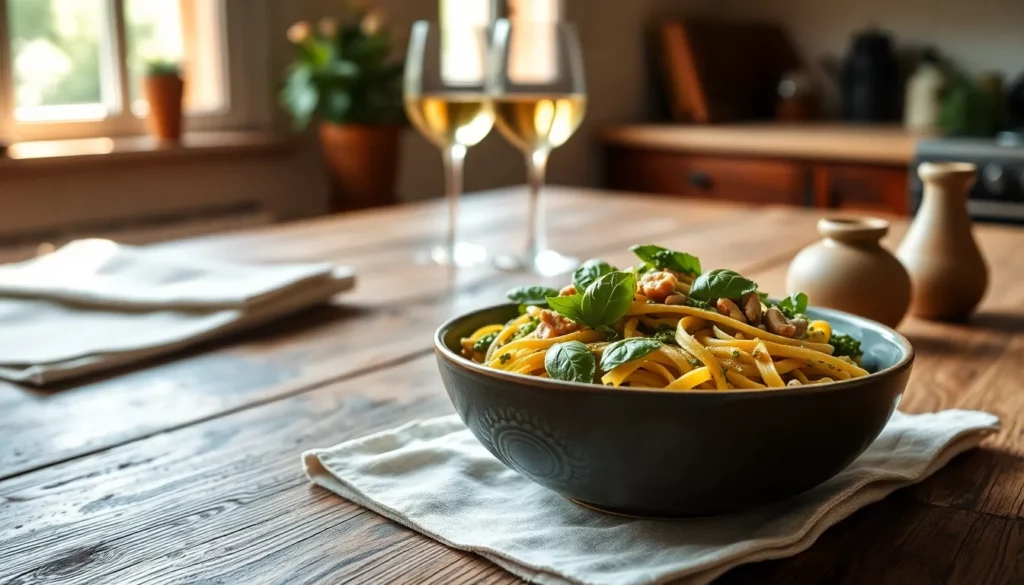
Trenette is a long, thin, ribbon-like pasta originating from the Liguria region of northwestern Italy, particularly the city of Genoa. Its name derives from the Ligurian word trenette, meaning “small strips,” reflecting its traditional hand-rolled production. The pasta is made from durum wheat semolina and water, though some artisanal versions incorporate eggs. Historically, trenette was a staple of the poor, made by rolling and cutting sheets of dough into narrow strips. Today, it is celebrated as the quintessential companion to pesto alla Genovese, a sauce that also hails from Liguria.
Trenette is often confused with linguine, but it is distinctly narrower—typically 2 to 3 millimeters wide—and has a slightly thicker, more rectangular cross-section. Unlike linguine, which is extruded through a die, traditional trenette is cut from rolled dough, giving it a more irregular, porous surface that clings to sauces. While trenette itself does not hold a DOP (Denominazione di Origine Protetta) or PGI (Indicazione Geografica Protetta) status, the pesto with which it is classically paired is protected under the PGI designation for Pesto alla Genovese. The pasta is deeply tied to Ligurian culinary identity and is a key ingredient in the region’s most iconic dish.
“Trenette al pesto is not just a recipe; it is a ritual that binds the sea, the mountains, and the hands of the cook.” – Traditional Ligurian saying
Types & Grades
Trenette is available in both fresh and dried forms, each with distinct characteristics. The following table outlines the primary types and their culinary applications:
| Type | Characteristics | Best Use |
|---|---|---|
| Fresh Trenette | Made with eggs or just semolina and water; soft, delicate texture; cooks in 2–4 minutes; irregular surface | Ideal for pesto, light cream sauces, or simple butter and sage |
| Dried Trenette (Bronze-Die) | Extruded through bronze dies; rough, porous surface; cooks in 8–10 minutes; holds sauce well | Classic trenette al pesto; also works with seafood or vegetable sauces |
| Dried Trenette (Teflon-Die) | Smooth, shiny surface; cooks quickly; less sauce adhesion | Quick meals; not recommended for pesto |
| Whole Wheat Trenette | Made with whole durum wheat flour; nuttier flavor; firmer texture | Pairs well with robust sauces like walnut or mushroom |
| Flavored Trenette (e.g., spinach, tomato) | Colored and flavored with vegetable purees; mild taste | Visual appeal; use with complementary sauces |
Grades are not officially classified, but artisanal producers often label their pasta as tradizionale or artigianale, indicating traditional methods and higher-quality ingredients. The drying process also matters: slow drying at low temperatures preserves flavor and texture, while rapid drying can compromise quality.
How It’s Used in Cooking
The most famous dish featuring trenette is trenette al pesto, a Ligurian classic that also includes boiled green beans and potatoes. The pasta is cooked al dente, then tossed with fresh pesto alla Genovese (made from basil, pine nuts, garlic, Parmigiano-Reggiano, and olive oil) along with the vegetables. The starch from the pasta water helps emulsify the sauce. This dish is a celebration of simplicity and fresh ingredients.
Beyond pesto, trenette is versatile. It pairs well with:
- Walnut sauce (salsa di noci), another Ligurian specialty
- Seafood sauces, such as clams, mussels, or shrimp in a light tomato or white wine broth
- Vegetable ragùs, like zucchini, eggplant, or bell pepper
- Butter and sage, for a quick, elegant dish
When cooking trenette, always use a large pot of generously salted water. Fresh trenette cooks in 2–4 minutes; dried in 8–10 minutes. Reserve at least a cup of pasta water before draining to adjust sauce consistency. The pasta’s shape and texture are designed to capture and hold sauce, so avoid over-saucing.
How to Choose/Identify Authentic Trenette
To ensure you are buying authentic trenette, look for the following cues:
- Labeling: The package should clearly say “trenette” (or “trenette pasta”). Avoid products labeled simply as “linguine” or “fettuccine,” which are different shapes.
- Ingredients: 100% durum wheat semolina and water. Avoid pasta with added eggs unless you specifically want fresh egg pasta. For dried pasta, no artificial colors or preservatives.
- Texture: Authentic dried trenette should have a rough, matte surface, indicating bronze-die extrusion. Smooth, shiny pasta is often made with Teflon dies and will not hold sauce as well.
- Color: Pale yellow, not bright yellow (which may indicate artificial coloring).
- Brand: Look for Italian brands from Liguria or reputable artisanal producers. Some well-known brands include De Cecco, Barilla (though their trenette is less common), and smaller regional producers like Pastificio dei Campi or Mancini.
- Certifications: While trenette itself is not DOP, some producers may carry IGP (PGI) for other products. Look for “Prodotto in Italia” or “100% Italian wheat” as quality indicators.
For fresh trenette, seek out Italian delis or specialty markets that make pasta in-house. The pasta should be pliable, not sticky, and have a uniform thickness.
Substitutes
If trenette is unavailable, several Italian pasta shapes can serve as substitutes, depending on the dish:
- Linguine: The closest substitute. Slightly wider but similar length and flat shape. Works well with pesto and seafood.
- Fettuccine: Wider and thicker; better for creamier sauces. Not ideal for pesto but acceptable.
- Tagliatelle: Even wider; more suited to ragùs. Use only if no other option.
- Spaghetti: Round, not flat. Will not hold pesto as well, but can be used in a pinch.
- Trofie: A short, twisted Ligurian pasta that is also traditional with pesto. A good alternative for a different texture.
For the classic trenette al pesto, linguine is the recommended substitute because its shape and surface area mimic trenette’s ability to capture the sauce. Avoid using long, thin round pastas like capellini, as they lack the surface texture to hold pesto properly.
Conclusion
Trenette is more than just a pasta shape; it is a symbol of Ligurian culinary heritage, perfectly engineered for the region’s iconic pesto. Understanding its history, production methods, and proper use allows cooks to honor tradition while achieving exceptional results. Whether you choose fresh or dried, bronze-die or artisanal, authentic trenette elevates simple ingredients into a memorable dish. When selecting, prioritize texture and ingredient purity, and when substituting, opt for linguine to maintain the spirit of the recipe.
FAQ
What is the difference between trenette and linguine?
Trenette is narrower (2–3 mm) and traditionally cut from rolled dough, while linguine is slightly wider (3–4 mm) and usually extruded. Both are long, flat pastas, but trenette has a more irregular surface that holds pesto better.
Can I use trenette for sauces other than pesto?
Yes. Trenette works well with walnut sauce, seafood sauces, vegetable ragùs, and simple butter and sage. Its shape is versatile, but it shines with light to medium-bodied sauces that cling to its surface.
Is trenette gluten-free?
No. Traditional trenette is made from durum wheat semolina, which contains gluten. Gluten-free versions may exist using alternative flours, but they are not authentic.
How should I cook dried trenette for the best texture?
Cook in a large pot of generously salted boiling water until al dente (8–10 minutes). Reserve pasta water before draining. Toss with sauce immediately, adding a splash of pasta water to emulsify.



Leave a Reply