
Short Answer
What It Is
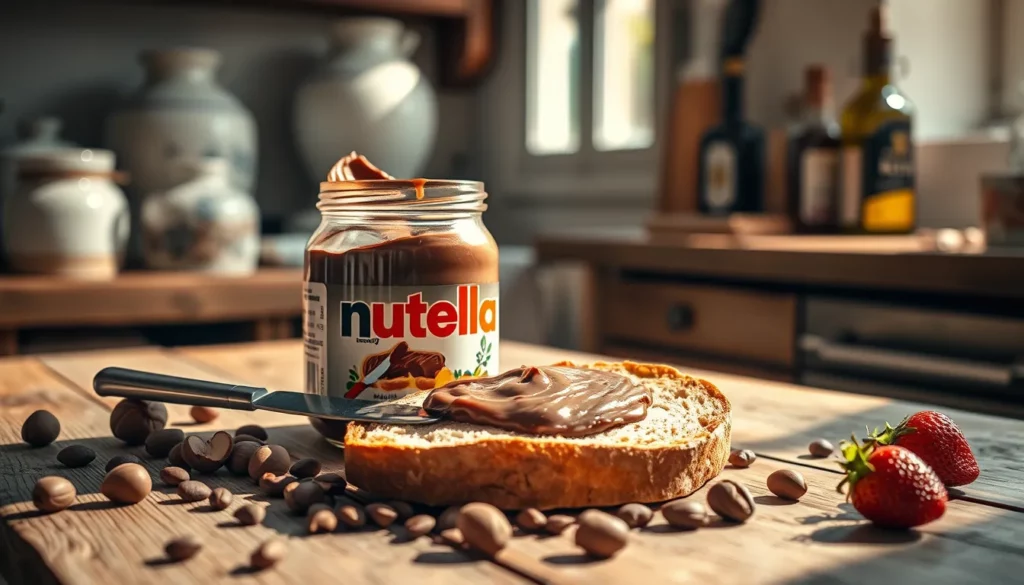
Nutella is a sweet, creamy hazelnut cocoa spread produced by the Italian company Ferrero. It was invented in the 1940s by Pietro Ferrero in Alba, Piedmont, a region renowned for its high-quality hazelnuts. Originally created as a way to stretch scarce cocoa supplies after World War II, Ferrero combined roasted hazelnuts with cocoa, sugar, and a small amount of fat to create a spreadable paste. The product was first sold as a solid block called Giandujot, but in 1951 Ferrero introduced a creamier version named Supercrema. The final formula, now known as Nutella, was launched in 1964.
Nutella is not a DOP (Denominazione di Origine Protetta) or PGI (Indicazione Geografica Protetta) product; it is a trademarked brand. However, its production is closely tied to the Piedmont region, and Ferrero sources hazelnuts from both local and international suppliers. The production process involves roasting hazelnuts, grinding them into a paste, then blending with cocoa, skim milk powder, sugar, palm oil, lecithin, and vanillin. The mixture is refined to a smooth, spreadable consistency. Nutella is produced in several factories worldwide, but the original recipe remains consistent.
Types & Grades
While Nutella is a single flagship product, Ferrero offers limited variations and packaging sizes. The following table outlines the main types available:
| Type | Description | Common Uses |
|---|---|---|
| Classic Nutella | The original hazelnut cocoa spread in jars (200g to 1kg). | Spreading on bread, filling crepes, baking. |
| Nutella & Go | Portion-controlled packs with breadsticks or crackers for dipping. | On-the-go snacking. |
| Nutella B-ready | Wafers filled with Nutella, coated in milk chocolate. | Convenient snack. |
| Limited Editions | Seasonal or regional variants (e.g., Nutella with extra hazelnuts, holiday-themed jars). | Gifting, special occasions. |
There are no official aging grades for Nutella; it is consumed fresh. The product has a shelf life of about 12 months when stored in a cool, dry place.
How It’s Used in Cooking
In Italian cuisine, Nutella is primarily used as a spread for bread, toast, or fette biscottate (rusks). It is also a key ingredient in many desserts and breakfast dishes. Traditional applications include:
- Nutella Crepes – Thin pancakes filled with Nutella, often topped with powdered sugar or fresh fruit.
- Nutella Pizza – A dessert pizza with a Nutella base, sometimes topped with strawberries, bananas, or marshmallows.
- Nutella Gelato – Swirled into vanilla or hazelnut gelato for a creamy treat.
- Nutella Stuffed French Toast – Thick bread slices filled with Nutella, dipped in egg, and pan-fried.
- Biscotti con Nutella – Simple cookies or biscuits sandwiched with Nutella.
Professional pastry chefs use Nutella as a filling for cakes, tarts, and millefoglie (puff pastry layers). It can be melted and drizzled over ice cream or incorporated into mousses and ganaches. A classic Italian dessert is Semifreddo alla Nutella, a frozen mousse-like cake.
“Nutella is the soul of Italian breakfast – a spoonful of childhood memories in every jar.” – Traditional Italian saying
How to Choose/Identify Authentic Nutella
Authentic Nutella is produced exclusively by Ferrero. To ensure you are buying the genuine product, look for the following cues:
- Brand and Logo – The jar must display the Ferrero logo and the word “Nutella” in the distinctive red and white font.
- Ingredients List – The first ingredient should be sugar, followed by palm oil, hazelnuts (13%), skim milk powder, cocoa, lecithin, and vanillin. The hazelnut content is a key authenticity marker.
- Country of Origin – While Nutella is produced in multiple countries (Italy, Germany, France, etc.), the original Italian version is often preferred. Check the label for “Prodotto in Italia” (Made in Italy).
- Packaging – Authentic jars have a tamper-evident seal and a consistent, glossy label. Counterfeits may have blurry printing or uneven lids.
- Texture and Taste – Real Nutella is smooth, creamy, and has a balanced hazelnut-cocoa flavor. It should not be overly oily or gritty.
For commercial buyers, purchasing from authorized distributors or directly from Ferrero ensures authenticity. Avoid suspiciously low-priced jars, especially from non-reputable sellers.
Substitutes
While Nutella is unique, several Italian alternatives exist, often with a higher hazelnut content or different certifications:
- Gianduia Spread – A traditional Piedmontese hazelnut chocolate paste (often DOP-protected as Gianduia di Torino). It contains a higher percentage of hazelnuts (30% or more) and less sugar, offering a richer, more intense flavor. Used in pastries and as a spread.
- Crema Spalmabile alle Nocciole (PGI) – Some artisanal producers make hazelnut spreads under the PGI “Nocciola del Piemonte” or “Nocciola di Giffoni”. These are often less sweet and more nutty.
- Homemade Nutella – Many Italian households make a version using roasted hazelnuts, cocoa, sugar, and a neutral oil. This allows control over ingredients and sweetness.
Substitutes are chosen based on dietary needs (e.g., vegan, no palm oil) or preference for a more pronounced hazelnut taste. In professional kitchens, Gianduia spread is often preferred for its superior flavor profile in desserts.
Conclusion
Nutella remains a beloved icon of Italian confectionery, born from post-war ingenuity and perfected over decades. Its unique combination of hazelnuts and cocoa, smooth texture, and versatile uses have made it a staple in kitchens worldwide. While not a DOP product, its roots in Piedmont and strict quality standards by Ferrero ensure a consistent, authentic experience. Whether spread on bread, baked into desserts, or enjoyed straight from the jar, Nutella continues to evoke the warmth and creativity of Italian culinary tradition.
FAQ
Is Nutella healthy?
Nutella is high in sugar and fat, so it should be consumed in moderation. It contains hazelnuts, which provide some vitamins and minerals, but it is not a health food. The Ferrero company recommends a serving size of 15g (about 1 tablespoon).
Does Nutella contain palm oil?
Yes, Nutella uses palm oil as one of its main ingredients. Ferrero sources certified sustainable palm oil and states that it is refined to remove contaminants. The palm oil gives Nutella its smooth texture and spreadability.
What is the difference between Nutella and Gianduia?
Gianduia is a traditional Piedmontese hazelnut chocolate paste with a higher hazelnut content (at least 30%) and less sugar. Nutella is a sweeter, more processed spread with a lower hazelnut percentage (13%). Gianduia is often considered a premium product and may have DOP protection.


Leave a Reply