
Short Answer
What It Is
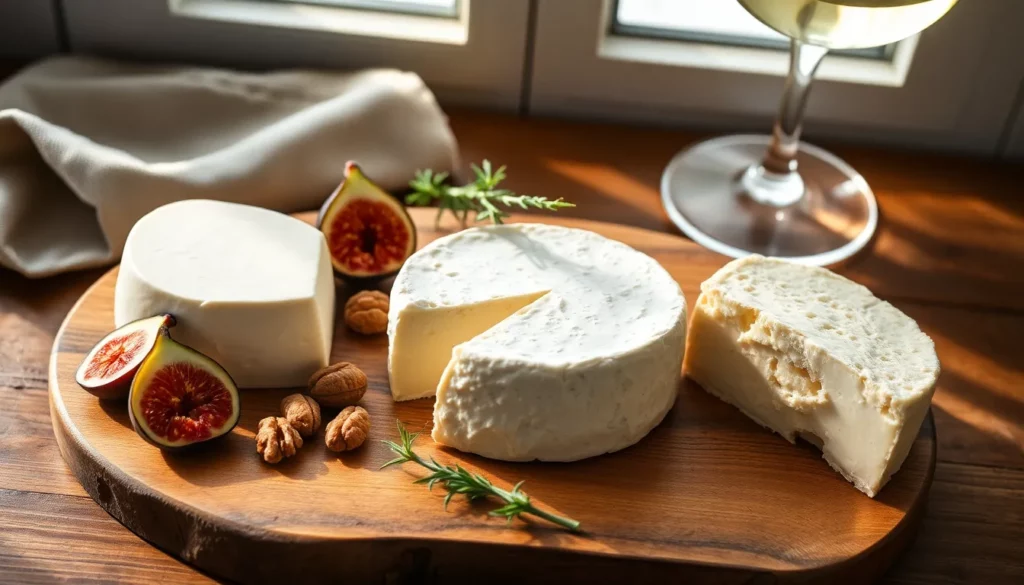
Caprini (plural of caprino) refers to a family of Italian cheeses made exclusively from goat’s milk. The term itself derives from the Italian word capra (goat), and these cheeses have been produced for centuries in the mountainous regions of northern and central Italy, particularly in Piedmont, Lombardy, Tuscany, and the Alps. Unlike mass-produced goat cheeses, authentic Caprini are often crafted using traditional methods, with many varieties holding Protected Designation of Origin (DOP) status under European Union law. The production process typically involves fresh, whole goat’s milk, which is gently curdled with calf rennet, then drained in perforated molds to achieve a characteristic soft, creamy texture. Some Caprini are aged for a few days to several months, developing a wrinkled rind and a more piquant flavor. The DOP recognition ensures that the cheese is produced, processed, and prepared in a specific geographical area using recognized traditional techniques. Notable DOP examples include Caprino di Cavalese (Trentino-Alto Adige), Caprino di Val di Sole, and Caprino di Rimella (Piedmont). These cheeses are celebrated for their delicate, tangy profile and their ability to reflect the terroir of the alpine pastures where the goats graze.
Types & Grades
Caprini are classified primarily by their aging period, which directly influences texture, flavor, and culinary application. The table below outlines the main grades:
| Grade | Aging | Texture | Flavor Profile | Common Uses |
|---|---|---|---|---|
| Fresco (Fresh) | 0–7 days | Soft, spreadable, moist | Mild, milky, slightly tangy | Salads, spreads, fresh pasta fillings |
| Semistagionato (Semi-aged) | 2–4 weeks | Firmer, still creamy | More pronounced tang, herbaceous notes | Table cheese, grilled, melted on bruschetta |
| Stagionato (Aged) | 2–6 months | Hard, crumbly, sometimes crystalline | Sharp, nutty, earthy, with a lingering finish | Grating over pasta, pairing with honey or dried fruits |
| Vecchio (Extra-aged) | 6+ months | Very hard, granular | Intense, spicy, almost piquant | Grated as a condiment, eaten in thin shavings |
Within these grades, there are also variations based on the addition of herbs, ash, or spices. For example, Caprino con Erbe is rolled in local herbs like rosemary or thyme, while Caprino Affumicato is lightly smoked over beechwood. Some producers also make a Caprino di Capra (pure goat) versus Caprino Misto (mixed with cow or sheep milk), though the latter is less common in DOP varieties.
How It’s Used in Cooking
Caprini’s versatility makes it a staple in Italian cuisine, from antipasti to desserts. Fresh Caprini is often simply dressed with olive oil, salt, and pepper, served alongside crusty bread or drizzled over arugula salads with balsamic reduction. It is also the star of Insalata Caprina, a classic salad with tomatoes, basil, and pine nuts. Semi-aged Caprini melts beautifully, making it ideal for Frittata di Caprino or as a topping for Pizza Bianca. Aged Caprini is grated over Pasta al Forno or used in Risotto ai Caprini, where its sharpness cuts through the creaminess of the rice. In Piedmont, a traditional dish called Caprino al Forno involves baking the cheese with a crust of breadcrumbs and herbs until golden. For dessert, fresh Caprini is often paired with honey, figs, or poached pears. The cheese also appears in Gnocchi di Caprino, where the fresh cheese is mixed into the dough for a light, tangy dumpling. Chefs value Caprini for its ability to balance rich ingredients—its acidity brightens heavy sauces and its creaminess softens bold flavors.
How to Choose/Identify Authentic CAPRINI
When selecting authentic Caprini, look for the following cues:
- DOP or PGI Label: Genuine artisanal Caprini from protected regions will carry the official EU logo. Check for names like Caprino di Cavalese DOP or Caprino di Val di Sole DOP.
- Milk Source: Authentic Caprini is made from 100% goat’s milk. Avoid products labeled “caprino” that list cow or sheep milk as the primary ingredient.
- Appearance: Fresh Caprini should be pure white, moist, and without cracks. Aged varieties have a natural rind that may be wrinkled or covered in a light bloom of mold (similar to a bloomy rind).
- Aroma: Fresh Caprini smells clean and milky; aged Caprini has a more pungent, earthy aroma. Any ammonia or sourness indicates over-aging or poor storage.
- Texture: Fresh should be spreadable; aged should be firm but not rubbery. If the cheese is overly dry or crumbly beyond its grade, it may be past its prime.
- Origin: Look for labels indicating the specific region (e.g., “Prodotto in Val di Sole”). Many small producers sell directly at farmers’ markets or through specialty Italian grocers.
- Price: Authentic DOP Caprini is typically more expensive due to small-scale production and strict regulations. Extremely cheap “caprino” is likely an industrial imitation.
For commercial buyers, building relationships with certified Italian exporters or attending trade shows like Cheese (Bra, Italy) can ensure access to genuine products.
Substitutes
If authentic Caprini is unavailable, several Italian cheeses can serve as substitutes, depending on the intended use:
- Robiola: A soft-ripened cheese from Piedmont made from cow, sheep, or goat milk. Its creamy texture and mild tang make it a good stand-in for fresh Caprini in salads and spreads.
- Chabri (or Chèvre): French goat cheese, especially fresh logs, can replace fresh Caprini. While not Italian, it shares similar acidity and spreadability. For aged Caprini, a French Bûche de Chèvre aged for a few weeks works well.
- Pecorino Fresco: A young sheep’s milk cheese from Tuscany. It is softer than aged Pecorino and has a milky, slightly salty flavor that can mimic fresh Caprini in pasta fillings, though it lacks the characteristic goat tang.
- Stracchino: A soft, creamy cow’s milk cheese from Lombardy. It melts beautifully and can substitute for semi-aged Caprini in baked dishes, though it is milder.
- Ricotta di Capra: Fresh goat ricotta is an excellent substitute for fresh Caprini in desserts and light sauces, offering a similar creamy texture and delicate flavor.
When substituting, consider the role of acidity: Caprini’s tang is unique, so you may need to add a squeeze of lemon or a splash of vinegar to mimic the brightness in recipes.
Conclusion
Caprini represents the pinnacle of Italian goat cheese craftsmanship, embodying centuries of pastoral tradition and a deep connection to the land. From the fresh, milky notes of a young Caprino Fresco to the bold, crystalline intensity of an aged Vecchio, this cheese offers a spectrum of flavors and textures that enhance both rustic and refined dishes. By understanding its production, grades, and authenticity markers, you can confidently select and use Caprini in your kitchen, whether you are a home cook or a professional chef. Embrace the heritage of Italy’s alpine pastures and let Caprini elevate your culinary creations.
FAQ
What is the difference between Caprino and Caprini?
Caprino is the singular Italian word for goat cheese, while Caprini is the plural form. In English usage, 'Caprini' often refers to the family of Italian goat cheeses, including both fresh and aged varieties. The term is used interchangeably in many contexts, but technically Caprini means 'goat cheeses'.
Is all Caprini cheese DOP certified?
No, not all Caprini is DOP. Only specific varieties that meet strict production and geographic criteria carry the DOP label, such as Caprino di Cavalese, Caprino di Val di Sole, and Caprino di Rimella. Many artisanal and farmstead Caprini are produced without DOP certification but still follow traditional methods. Always check the label for the official DOP logo.
Can I freeze Caprini cheese?
Freezing is not recommended for fresh Caprini, as the high moisture content will cause the texture to become grainy and watery upon thawing. Aged Caprini can be frozen for up to three months, but the flavor and texture may degrade. For best quality, consume Caprini fresh and store it in the refrigerator wrapped in wax paper or cheese paper.
What wine pairs well with Caprini?
Fresh Caprini pairs well with crisp white wines like Vermentino, Sauvignon Blanc, or a dry Prosecco. Semi-aged Caprini complements light reds such as Barbera or a young Chianti. Aged Caprini, with its intense flavor, is excellent with a full-bodied white like a well-oaked Chardonnay or a sweet wine like Vin Santo.

Leave a Reply