
Short Answer
What Is Sogliola? Italian Seafood Explained
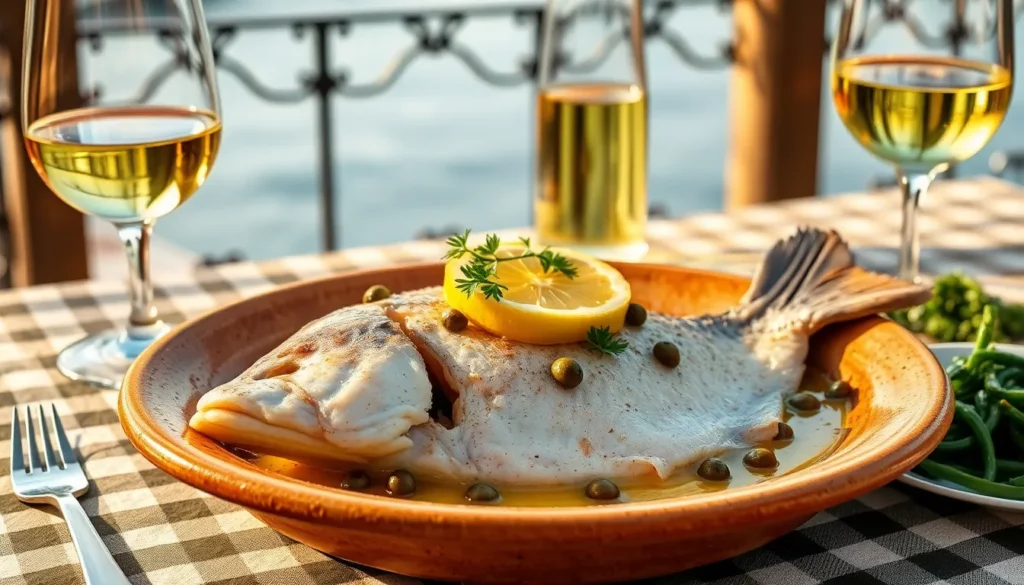
Sogliola is the Italian name for the common sole (Solea solea), a flatfish highly prized in Italian cuisine for its delicate, sweet flavor and firm, flaky white flesh. Native to the Mediterranean Sea and the eastern Atlantic Ocean, Sogliola is most famously associated with the coastal regions of Italy, particularly the Adriatic and Tyrrhenian seas. Key ingredients in its simplest preparations include butter, lemon, sage, and flour, though regional variations abound. This fish is typically served as a secondo (main course) and is celebrated for its versatility and refined taste.
Origin & History
Sogliola has been a staple of Italian coastal cuisine since ancient Roman times, when flatfish were prized by the elite. The fish is documented in Roman cookbooks such as Apicius, where it was often poached or grilled with herbs. However, the modern Italian tradition of preparing Sogliola alla Mugnaia (miller’s wife style) emerged in the Renaissance period in Tuscany and Liguria, where simple, fresh ingredients were used to highlight the fish’s natural flavor. The name Mugnaia refers to the flour dusting that resembles the miller’s dusty clothes. Over centuries, Sogliola became a symbol of refined coastal dining, especially in Venice, where it was featured in grand banquets. Today, it remains a benchmark of quality seafood in Italian gastronomy.
What’s In It
The core ingredients for a classic Sogliola dish are minimal: fresh sole fillets or whole fish, all-purpose flour for dusting, butter, fresh sage leaves, lemon juice, salt, and white pepper. The preparation involves lightly flouring the fish, then pan-frying it in butter until golden, finishing with sage and a squeeze of lemon. This technique is known as Sogliola alla Mugnaia. Unlike similar-sounding dishes like Pesce al Cartoccio (fish in parchment), Sogliola is never baked with heavy sauces; its delicate flesh requires gentle cooking. It is also distinct from Rombo (turbot), which has a firmer texture and stronger flavor. The key nuance is the emphasis on simplicity—the fish’s quality must speak for itself.
Regional Variations
Sogliola is prepared differently across Italy, reflecting local tastes and traditions. Below is a comparison of three major regions:
| Region | Preparation | Key Ingredients | Characteristics |
|---|---|---|---|
| Veneto (Venice) | Fritto Misto di Pesce | Whole sole, flour, egg, breadcrumbs, oil | Lightly battered and fried, served with lemon; part of a mixed seafood fry. |
| Liguria | Sogliola alla Ligure | Olive oil, pine nuts, raisins, white wine | Sweet and sour notes; reflects Genoese medieval trade influences. |
| Sicily | Sogliola alla Siciliana | Tomato, capers, olives, oregano | Baked with a robust sauce; showcases island’s Arab-Norman heritage. |
Other notable variations include Sogliola in Padella (pan-fried with garlic and parsley) in Campania, and Sogliola al Forno (baked with potatoes) in Puglia.
How It’s Traditionally Eaten
Sogliola is always served as a secondo piatto (main course) in a traditional Italian meal, following the primo (pasta or soup) and before dolce (dessert). It is typically accompanied by a simple contorno (side dish) such as sautéed spinach, roasted potatoes, or a fresh salad. The fish is often paired with a crisp white wine like Vermentino or Soave. Sogliola is considered an everyday dish in coastal regions, but its refined nature also makes it suitable for festive occasions, especially when prepared whole and presented elegantly. In Venice, it is a star of the fritto misto platter, enjoyed as a casual street food or in trattorias.
Common Mistakes / What It’s Not
A frequent misconception, especially in American-Italian contexts, is that Sogliola is interchangeable with Dover sole (which is a different species, Microstomus pacificus or Solea solea from colder waters). True Italian Sogliola is smaller and more delicate. Another mistake is overcooking: the fillet should be just opaque and flaky, not dry. Many home cooks also use too much flour or oil, masking the fish’s flavor. Sogliola is not a fish for heavy tomato sauces or strong spices; it is best with butter, lemon, and herbs. Additionally, it is not the same as Pesce San Pietro (John Dory) or Rombo (turbot), which have different textures and require different cooking methods.
Where to Try It / What to Order
For an authentic Sogliola experience, visit coastal trattorias in Venice (try Osteria alle Testiere for fritto misto), Liguria (ask for Sogliola alla Ligure in Genoa), or Sicily (order Sogliola alla Siciliana in Catania). When ordering, specify Sogliola alla Mugnaia for the classic preparation, or Sogliola ai Ferri for grilled. Look for the fish being caught locally—ask if it’s di scoglio (from the rocks) for the best quality. Avoid ordering Sogliola in inland restaurants unless it’s a high-end establishment known for fresh seafood. The best season is spring through early autumn when the fish is at its peak.
Related Dishes
FAQ
What is Sogliola in English?
Sogliola is the Italian word for common sole (Solea solea), a flatfish found in the Mediterranean and eastern Atlantic.
How is Sogliola traditionally cooked?
The most traditional method is Sogliola alla Mugnaia: lightly floured and pan-fried in butter with sage and lemon. It can also be grilled, baked, or fried as part of a fritto misto.
What does Sogliola taste like?
Sogliola has a delicate, sweet, and mild flavor with a firm but tender texture. It is not fishy and absorbs the flavors of its simple accompaniments.
Is Sogliola the same as Dover sole?
No. True Dover sole (Microstomus pacificus) is a different species from colder waters. Italian Sogliola (Solea solea) is smaller, more delicate, and has a finer texture.
What wine pairs with Sogliola?
Crisp, dry white wines such as Vermentino, Soave, Friulano, or a young Gavi are excellent choices to complement the fish's delicate flavor.
Leave a Reply