
Short Answer
What Is Sgusciato? Italian Seafood Preparation Explained
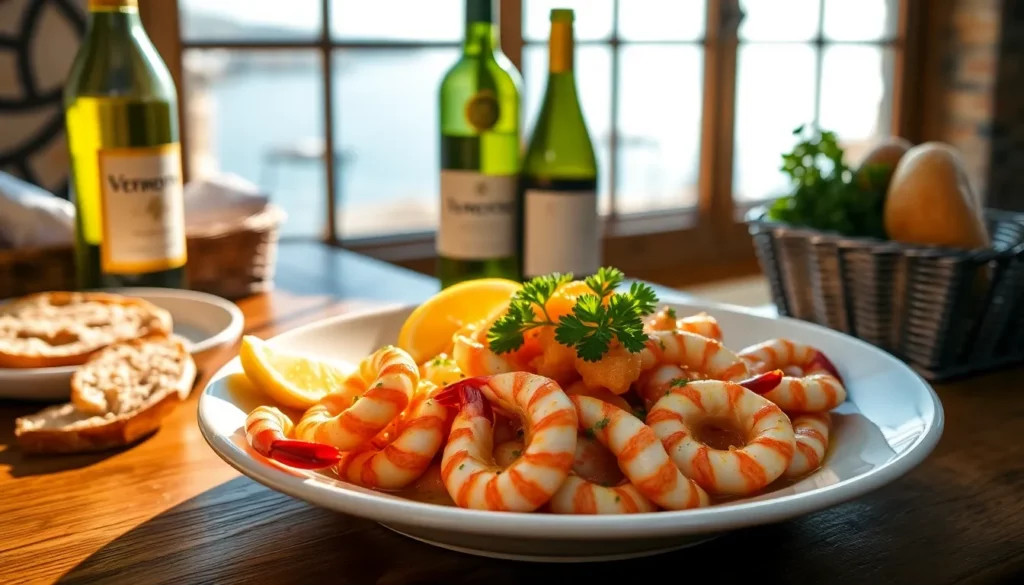
Sgusciato (pronounced skoo-SHAH-toh) is an Italian culinary term and dish that refers to seafood that has been removed from its shell and then cooked or served. In Italian, sgusciato literally means “shelled” or “husked.” As a dish, it typically features shelled crustaceans or mollusks—such as shrimp (gamberi), clams (vongole), or mussels (cozze)—that are quickly sautéed with extra virgin olive oil, garlic, white wine, and fresh herbs. The preparation is a hallmark of coastal Italian cooking, particularly in the regions of Campania and Sicily, where the freshest seafood is treated with minimal intervention to let its natural flavor shine. Sgusciato is often served as a secondo (main course) or as a contorno (side dish) alongside crusty bread or a simple salad.
Origin & History
The practice of shelling seafood before cooking has ancient roots along the Italian peninsula. Archaeological evidence from Roman settlements in Campania shows that shellfish were often removed from their shells to be incorporated into sauces or eaten as a luxury item. However, the specific term sgusciato as a dish name emerged in the 19th century, when cookbooks from Naples and Palermo began codifying regional preparations. In Naples, sgusciato di gamberi (shelled shrimp) was a favorite of the Bourbon court, while in Sicily, fishermen would prepare sgusciato di vongole (shelled clams) as a quick meal after a day at sea. Unlike the myth that all Italian seafood is served in the shell, sgusciato represents a deliberate choice to prioritize ease of eating and the pure taste of the meat. The dish is also tied to the Italian concept of cucina povera (peasant cooking), where every part of the catch was used, and shelling allowed for more efficient consumption.
What’s In It
The core ingredients of a classic sgusciato are deceptively simple: fresh shelled seafood, extra virgin olive oil, garlic, dry white wine, fresh parsley, and a pinch of sea salt and black pepper. Some variations add a squeeze of lemon juice or a sprinkle of red pepper flakes for heat. The preparation is straightforward: the garlic is gently sautéed in olive oil until fragrant, then the shelled seafood is added and cooked briefly—just until opaque and tender. White wine is deglazed into the pan, and the dish is finished with parsley. The key is to avoid overcooking, which would toughen the delicate meat. Sgusciato differs from similar dishes like frittura di pesce (fried seafood) or zuppa di pesce (fish soup) in that it is not battered, fried, or heavily sauced. It is a dry, light preparation that highlights the seafood itself.
Regional Variations
While the basic technique is consistent, sgusciato takes on distinct characteristics across Italy’s coastal regions. Below is a comparison of three major regional styles:
| Region | Primary Seafood | Key Flavorings | Serving Style |
|---|---|---|---|
| Campania (Naples) | Shrimp (gamberi) or clams (vongole) | Garlic, white wine, lemon zest, parsley | As a secondo with lemon wedges and crusty bread |
| Sicily | Mussels (cozze) or mixed shellfish | Garlic, white wine, capers, oregano, breadcrumbs | Often baked with breadcrumbs (sgusciato gratinato) as an antipasto |
| Liguria | Shrimp or langoustines (scampi) | Garlic, white wine, basil, pine nuts (rare) | Lightly sautéed and served over trenette pasta or as a contorno |
In Campania, the dish is often called sgusciato di gamberi and is a staple of seaside trattorias. Sicilian versions may include a dusting of breadcrumbs and a quick bake in the oven, creating a crispy topping. Ligurian interpretations sometimes incorporate basil and pine nuts, reflecting the region’s affinity for pesto.
How It’s Traditionally Eaten
Sgusciato is typically served as a secondo piatto (main course) in a traditional Italian meal, following the primo (pasta or soup). It can also appear as a contorno (side dish) alongside grilled vegetables or a simple salad. In coastal homes, it is often eaten as a quick lunch with bread to soak up the pan juices. The dish is considered everyday fare, not reserved for holidays, though it may be elevated for special occasions by using premium seafood like langoustines. Wine pairings are crucial: a crisp, dry white wine such as Vermentino or Falanghina complements the briny sweetness of the seafood.
Common Mistakes / What It’s Not
A frequent misconception, especially in American-Italian contexts, is that sgusciato is a heavy, cream-based sauce or a fried dish. In reality, it is a light, oil-based preparation with no cream or batter. Another error is confusing sgusciato with scampi (which in Italian refers to langoustines, not a butter-garlic sauce). Sgusciato is not a pasta dish; while the seafood can be served over pasta, the term itself refers to the shelled seafood preparation. Additionally, some believe that shelling seafood before cooking diminishes flavor, but Italian chefs argue that it allows the meat to cook more evenly and absorb seasonings better. Finally, sgusciato should not be confused with sgombro (mackerel), which is a different fish entirely.
Where to Try It / What to Order
For an authentic sgusciato, head to the coastal regions of Campania or Sicily. In Naples, visit Trattoria da Nennella for their sgusciato di gamberi served with a side of lemon. In Palermo, Osteria dei Vespri offers a refined sgusciato di vongole gratinato. For travelers, ordering sgusciato is simple: specify the seafood (e.g., sgusciato di gamberi for shrimp) and ask if it is served as a secondo or antipasto. Avoid asking for “shell-on” versions, as the dish is defined by its shelled nature. Many seaside friggitorie (fried food shops) also sell sgusciato as a quick snack.
Related Dishes
FAQ
What does 'sgusciato' mean in Italian?
It means 'shelled' or 'husked', referring to seafood that has been removed from its shell before cooking.
Is Sgusciato a pasta dish?
No, it is a seafood preparation. It can be served over pasta, but the term itself refers to the shelled seafood dish.
What is the best wine to pair with Sgusciato?
A crisp, dry white wine such as Vermentino, Falanghina, or a Sicilian Grillo complements the briny sweetness of the seafood.
Can I make Sgusciato with frozen seafood?
Fresh seafood is preferred for optimal texture and flavor, but high-quality frozen shelled shrimp or clams can be used if thawed properly.
Is Sgusciato gluten-free?
Yes, the basic preparation uses no flour or breadcrumbs. However, some Sicilian versions add breadcrumbs for gratinating, so check the recipe.


Leave a Reply