Short Answer
What Is Sarda? Italian Pasta Dish Explained
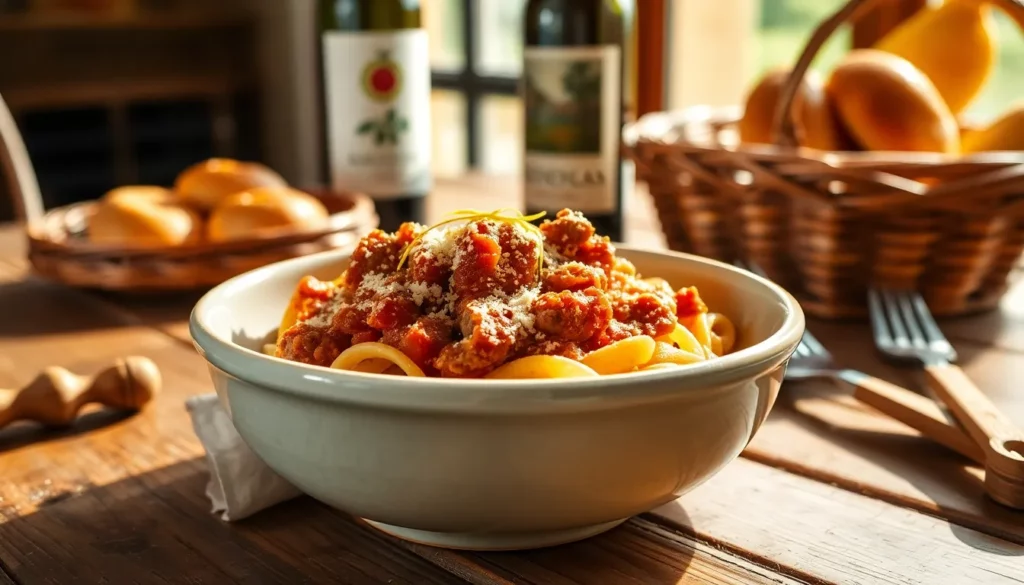
Sarda is a classic pasta dish from the Italian island of Sardinia, most commonly associated with the Campidano plain. It features malloreddus (small, ridged semolina gnocchetti) tossed in a rich sauce of fresh tomato, local sausage, saffron, and grated Pecorino Sardo or Pecorino Romano. The dish is a celebration of Sardinia’s pastoral traditions, combining durum wheat pasta with the island’s renowned sheep’s milk cheese and cured meats. Sarda is often served as a primo piatto (first course) during Sunday lunches and festive occasions.
Origin & History
Sarda traces its roots to the Campidano region of southern Sardinia, an area known for its fertile plains and sheep farming. The dish likely emerged in the late 19th or early 20th century, when semolina pasta became widely available and tomatoes were incorporated into Italian cooking. Unlike many Italian pasta dishes that have documented medieval origins, Sarda is a relatively modern creation, born from the ingenuity of Sardinian shepherds and farmers who used readily available ingredients: durum wheat, sheep’s milk cheese, pork sausage, and garden tomatoes. The addition of saffron—a spice historically traded through Sardinia’s ports—gives the dish its distinctive golden hue and subtle floral aroma. A popular anecdote claims that Sarda was first prepared for a harvest festival in the town of Sanluri, where cooks combined leftover pasta with sausage and tomato sauce, adding a pinch of precious saffron to honor the occasion.
What’s In It
The core ingredients of Sarda are simple but high-quality:
- Malloreddus – Small, shell-shaped semolina pasta with ridges that hold the sauce. They are made from durum wheat flour and water, sometimes enriched with saffron.
- Fresh pork sausage – Typically seasoned with fennel seeds, salt, and pepper. The sausage is crumbled and browned.
- Tomato sauce – Made from fresh or canned San Marzano tomatoes, simmered with onion, garlic, and basil.
- Saffron – A few threads steeped in warm water, added to the sauce for color and flavor.
- Pecorino Sardo – A hard, salty sheep’s milk cheese, grated over the finished dish.
- Extra virgin olive oil – Used for sautéing the aromatics.
Preparation nuances: The sausage is removed from its casing and crumbled, then browned in olive oil. The tomato sauce is cooked separately and combined with the sausage and saffron water. Malloreddus are boiled until al dente, then tossed with the sauce and a generous handful of grated pecorino. Unlike similar dishes like pasta alla norma (which uses eggplant) or pasta all’amatriciana (which uses guanciale and pecorino), Sarda is defined by the use of saffron and the specific shape of malloreddus.
Regional Variations
While Sarda is quintessentially Sardinian, variations exist across the island and in other parts of Italy:
| Region | Key Differences |
|---|---|
| Sardinia (Campidano) | Uses malloreddus, fresh pork sausage, saffron, and Pecorino Sardo. Tomato sauce is light and rustic. |
| Northern Sardinia (Gallura) | Sometimes replaces sausage with prosciutto crudo or guanciale, and adds a touch of myrtle (a local aromatic herb). |
| Rome (adapted version) | Often substitutes malloreddus with rigatoni or penne, and uses Pecorino Romano instead of Pecorino Sardo. Saffron is sometimes omitted. |
| Sicily (similar dish) | Has a dish called pasta alla siciliana with eggplant, but Sarda is distinct; Sicilian versions may add anchovies or capers. |
How It’s Traditionally Eaten
Sarda is served as a primo piatto (first course) in a traditional Sardinian meal, followed by a secondo of roasted meat or fish and a contorno of vegetables. It is most often enjoyed on Sundays, family gatherings, and local festivals such as Sa Sartiglia in Oristano. The dish is typically paired with a full-bodied red wine from Sardinia, like Cannonau di Sardegna or Carignano del Sulcis. In everyday settings, a simpler version without saffron may be prepared, but the festive version always includes the precious spice.
Common Mistakes / What It’s Not
Many American-Italian adaptations misrepresent Sarda. Common errors include:
- Using spaghetti or fettuccine – The proper pasta is malloreddus; their ridges are essential for trapping the sauce.
- Omitting saffron – Saffron is not optional; it defines the dish’s color and flavor profile.
- Adding heavy cream or garlic powder – Authentic Sarda relies on fresh ingredients and the natural creaminess of pecorino, not dairy cream.
- Confusing it with pasta alla carbonara – Carbonara uses eggs and guanciale; Sarda is tomato-based with sausage.
- Believing it is a seafood dish – Despite Sardinia’s coastal location, Sarda is a land-based pasta with pork and cheese.
Where to Try It / What to Order
For an authentic experience, visit Sardinia itself. In the capital Cagliari, try Ristorante Sa Piola or Trattoria Lillicru for a traditional Sarda. In the town of Sanluri, Agriturismo Su Campu serves a farmhouse version. If traveling to Rome, look for Sardinian restaurants like La Sardegna in Tavola in the Trastevere district. When ordering, ask for “Malloreddus alla Campidanese” (the local name) and specify that you want it with salsiccia fresca and zafferano. Avoid places that list “Sarda” as a generic pasta with seafood.
Related Dishes
FAQ
What is Sarda pasta?
Sarda is a traditional Sardinian pasta dish made with malloreddus (semolina gnocchetti), fresh pork sausage, tomato sauce, saffron, and Pecorino Sardo cheese. It is a hearty first course from the Campidano region.
Is Sarda the same as malloreddus?
No. Malloreddus is the pasta shape; Sarda is the complete dish. The dish is also called 'Malloreddus alla Campidanese' to specify the preparation with sausage and saffron.
What wine pairs best with Sarda?
A full-bodied red wine from Sardinia, such as Cannonau di Sardegna or Carignano del Sulcis, complements the rich tomato sauce and savory sausage. A dry white like Vermentino di Sardegna can also work for lighter versions.
Can I make Sarda without saffron?
Traditional Sarda always includes saffron for its color and flavor. Omitting it results in a different dish, more like a simple pasta with sausage and tomato. For authenticity, use saffron.
Where can I find authentic Sarda outside Sardinia?
Look for Sardinian restaurants in major Italian cities like Rome, Milan, or Bologna. In the US, some Italian regional restaurants in New York or San Francisco may offer it. Always check the menu for 'Malloreddus alla Campidanese'.
Leave a Reply