
Short Answer
What It Is
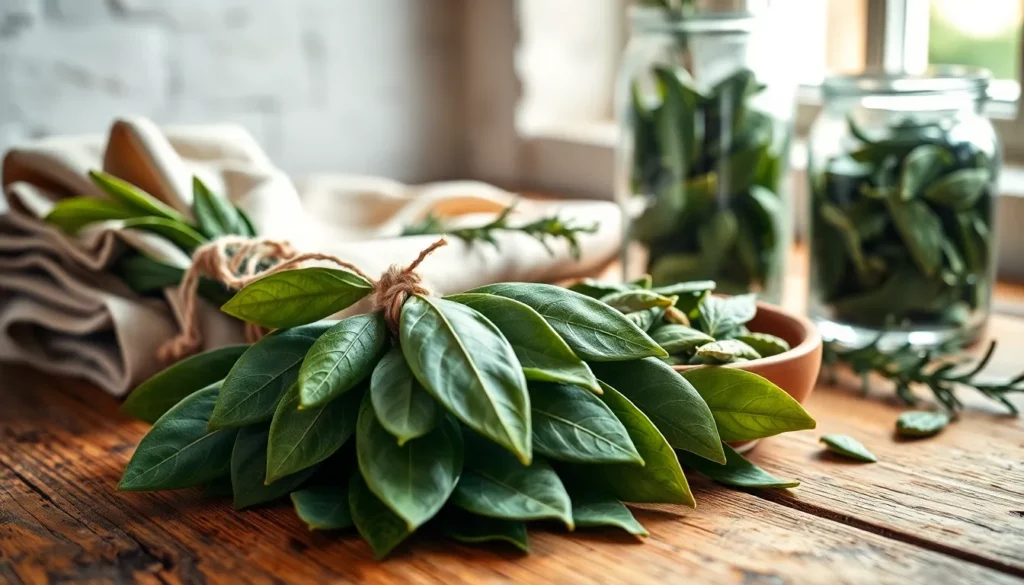
Alloro is the Italian name for the bay leaf, derived from the evergreen shrub or small tree Laurus nobilis, native to the Mediterranean region. In Italian culinary tradition, alloro is prized for its subtle, herbaceous aroma with hints of eucalyptus, mint, and floral notes. The leaves are harvested from wild or cultivated laurel trees, primarily in central and southern Italy, including regions such as Tuscany, Liguria, Sicily, and Campania. While there is no specific DOP (Denominazione di Origine Protetta) for alloro, the Alloro di Pantelleria is recognized as a PGI (Protected Geographical Indication) product, reflecting the unique terroir of the volcanic island of Pantelleria, where the laurel trees grow in mineral-rich soil and are hand-harvested. Fresh leaves are typically picked in late spring and early summer, then either used immediately or dried slowly in shaded, well-ventilated areas to preserve their essential oils.
Types & Grades
Alloro is available in several forms, each suited to different culinary applications. The table below outlines the main grades and their characteristics.
| Grade | Description | Best Use |
|---|---|---|
| Fresh Alloro | Bright green, pliable leaves with intense aroma; harvested in season. | Infusing oils, broths, and quick-cooking dishes; garnish. |
| Dried Whole Leaves | Olive-green to brown, brittle leaves; concentrated flavor. | Long-simmered soups, stews, sauces, and braises. |
| Crushed Alloro | Dried leaves broken into small pieces; convenient for even distribution. | Marinades, rubs, and spice blends. |
| Ground Alloro (Powder) | Finely milled dried leaves; potent and quick to infuse. | Baked goods, dry rubs, and dishes where texture is not desired. |
Within dried whole leaves, quality is judged by color (vibrant olive-green indicates freshness), intact shape, and strong aroma. Premium alloro often comes from Pantelleria or from organic farms in Tuscany.
How It’s Used in Cooking
Alloro is a foundational herb in Italian cuisine, used to impart depth without overpowering other ingredients. It is almost always removed before serving, as the leaves remain tough even after cooking.
Traditional Applications
- Broths and Stocks: A few leaves simmered in brodo (broth) add a subtle herbal note to risotto, minestrone, and tortellini in brodo.
- Braising and Stewing: Alloro is essential in osso buco, stracotto (pot roast), and peposo (black pepper beef stew).
- Sauces: Tomato-based sauces, such as sugo alla marinara or ragù, often include one or two leaves during simmering.
- Preserving: Bay leaves are used in pickling vegetables (e.g., giardiniera) and in oil infusions for antipasti.
- Baking: In some regional breads and focaccia, ground alloro is added to the dough for a fragrant twist.
“Il lauro non si mangia, ma dà sapore a tutto il piatto.” (The laurel is not eaten, but it gives flavor to the whole dish.) – Traditional Italian saying
Signature dishes that rely on alloro include ribollita (Tuscan bread soup), cacciucco (Livornese fish stew), and lenticchie in umido (braised lentils).
How to Choose/Identify Authentic Alloro
To ensure you are buying genuine Laurus nobilis (true bay leaf) and not a look-alike, follow these guidelines:
- Check the botanical name: Look for Laurus nobilis on the label. Avoid “California bay leaf” (Umbellularia californica), which is much stronger and slightly toxic in large amounts.
- Examine the leaf shape: True alloro leaves are elliptical, smooth-edged, and about 5–10 cm long. They have a distinct central vein and a slightly wavy margin.
- Smell test: Crush a leaf; authentic alloro releases a pleasant, herbal aroma with notes of eucalyptus and clove. If it smells medicinal or camphor-like, it may be a different species.
- Color and texture: Dried alloro should be olive-green to light brown, not dark brown or black. Fresh leaves should be glossy and pliable.
- Origin labeling: For premium quality, seek out “Alloro di Pantelleria PGI” or leaves from Tuscany or Liguria. These are often hand-harvested and sun-dried.
- Packaging: Buy from reputable Italian producers or specialty stores. Avoid dusty, broken leaves in transparent bags that have been exposed to light.
Substitutes
While no substitute perfectly replicates alloro’s unique flavor, Italian cooks sometimes use these alternatives in a pinch:
- Fresh or dried thyme: Adds a similar herbaceous, slightly floral note. Use half the amount called for bay leaves.
- Rosemary: More pungent and pine-like; use sparingly (one small sprig per two bay leaves).
- Savory (santoreggia): A Mediterranean herb with peppery, thyme-like notes; works well in bean dishes and stews.
- Lemon zest or lemon verbena: For a citrusy lift in light sauces or fish dishes, though the flavor profile differs significantly.
In traditional Italian recipes, however, alloro is considered irreplaceable, and cooks are advised to source authentic leaves rather than substitute.
Conclusion
Alloro, the Italian bay leaf, is a subtle yet indispensable herb that defines the aromatic backbone of countless Mediterranean dishes. From its origins in the sun-drenched hills of Italy to its careful drying and grading, understanding alloro’s nuances elevates both home cooking and professional cuisine. By choosing authentic Laurus nobilis and using it appropriately, you honor a tradition that has flavored Italian kitchens for millennia.
FAQ
How should I store fresh alloro (bay leaves)?
Fresh alloro can be refrigerated in a sealed plastic bag for up to one week. For longer storage, dry the leaves in a cool, dark, well-ventilated area, then store in an airtight container away from light and heat.
Can you eat bay leaves? Are they toxic?
Bay leaves (Laurus nobilis) are not toxic, but they are tough and can be a choking hazard or cause intestinal irritation if swallowed whole. They are always removed before serving. Ground bay leaf powder is safe to consume in small amounts.
What is the difference between Italian bay leaf and Turkish bay leaf?
Both are Laurus nobilis, but Turkish bay leaves are often milder and slightly sweeter, while Italian bay leaves (especially from Pantelleria) are more aromatic with stronger eucalyptus and floral notes. The difference is due to terroir and drying methods.
Leave a Reply