Short Answer
What Is Pranzo? Italian Midday Meal Explained
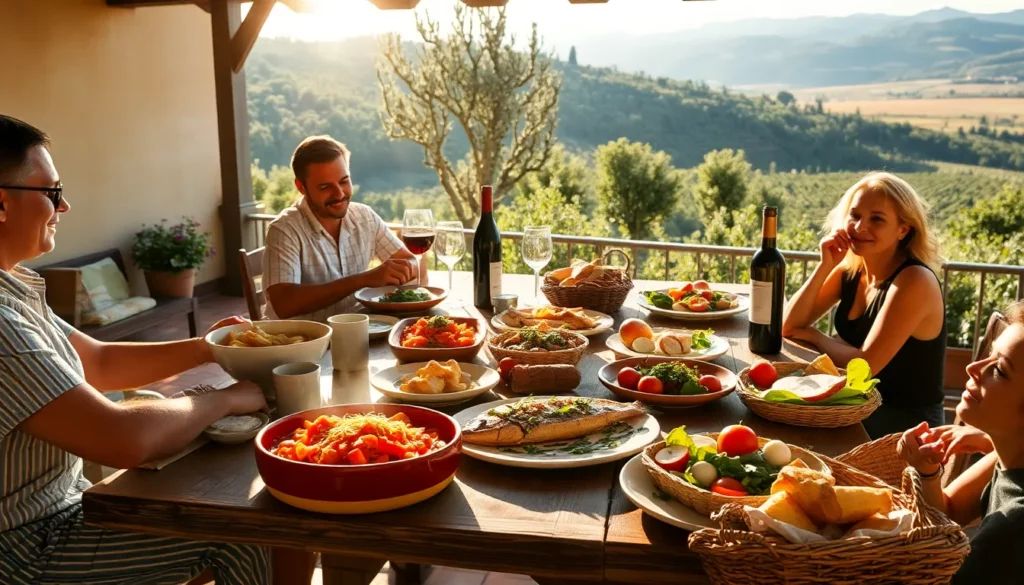
Pranzo (pronounced PRAN-tso) is the Italian word for lunch, but it represents much more than a simple midday refueling. In Italian culture, pranzo is the main meal of the day, traditionally served between 12:30 and 2:30 p.m., and it is a time for family, conversation, and savoring multiple courses. Unlike the quick, often solitary lunches common in many other countries, pranzo is a leisurely affair that can last an hour or more, especially on weekends and holidays. It typically consists of a primo (first course, often pasta or risotto), a secondo (second course of meat or fish), contorno (side dish), and sometimes antipasto (appetizer) and dolce (dessert). The structure and content of pranzo vary widely by region, reflecting Italy’s deep culinary diversity. Key ingredients are always fresh, seasonal, and locally sourced, with olive oil, tomatoes, cheese, and herbs forming the backbone of many dishes.
Origin & History
The concept of pranzo as the main meal of the day has roots in ancient Roman customs, where the prandium was a light midday meal eaten after a small breakfast. Over centuries, as agricultural societies structured their days around the sun, the midday meal became the largest, providing energy for the afternoon’s work. In medieval and Renaissance Italy, the nobility would host elaborate pranzi featuring multiple courses, while peasants ate simpler fare like bread, cheese, and vegetables. The modern Italian pranzo was largely codified in the 19th and 20th centuries, with the rise of the bourgeoisie and the unification of Italy, which helped standardize regional practices. However, regional identities remain strong: in the north, pranzo might feature risotto and polenta; in the center, pasta with meat sauces; in the south, seafood and vegetables. The tradition of the long family pranzo is still alive in many parts of Italy, though urbanization and work schedules have led to a lighter, quicker version on weekdays.
What’s In It
A traditional pranzo is a multi-course meal. The typical sequence includes:
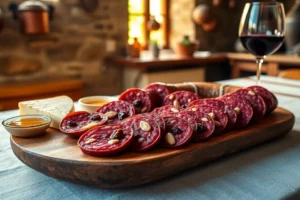
- Antipasto (optional): cured meats, cheeses, olives, bruschetta, or marinated vegetables.
- Primo: a carbohydrate-based dish such as pasta, risotto, gnocchi, or soup (e.g., minestrone).
- Secondo: a protein dish—meat (beef, pork, chicken, lamb) or fish (grilled, baked, or fried).
- Contorno: a vegetable side dish, often simply prepared—grilled zucchini, sautéed spinach, roasted potatoes, or a fresh salad.
- Dolce (optional): dessert such as tiramisù, panna cotta, fresh fruit, or a pastry.
- Caffè: espresso to finish.
Key ingredients vary by region but always emphasize freshness and seasonality. Olive oil, garlic, tomatoes, basil, Parmigiano-Reggiano, and pecorino are staples. Pranzo is distinct from colazione (breakfast) and cena (dinner), which is typically lighter. Unlike the American lunch, which is often a single dish, pranzo is a structured meal with distinct courses.
Regional Variations
Pranzo differs significantly across Italy’s twenty regions. Below is a comparison of three major regions:
| Region | Typical Primo | Typical Secondo | Typical Contorno | Key Characteristics |
|---|---|---|---|---|
| Lombardy (Milan) | Risotto alla Milanese (saffron risotto) | Ossobuco (braised veal shank) | Greens or roasted potatoes | Butter and rice-based; rich, slow-cooked flavors |
| Campania (Naples) | Pasta e fagioli or spaghetti alle vongole | Parmigiana di melanzane (eggplant parmesan) or fried fish | Insalata caprese (tomato, mozzarella, basil) | Tomato and seafood-centric; bold, sunny flavors |
| Sicily | Pasta alla Norma (with eggplant, tomato, ricotta salata) | Pesce spada alla ghiotta (swordfish in tomato sauce) | Caponata (sweet-sour eggplant relish) | Sweet-sour notes, abundant seafood, and dried fruit |
Other notable variations include the cucina povera (peasant cooking) of Tuscany, where pranzo might feature ribollita (bread soup) and bistecca alla fiorentina, and the coastal regions of Liguria, where pesto and fresh fish dominate.
How It’s Traditionally Eaten
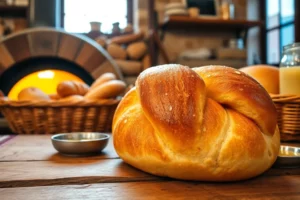
Pranzo is the main meal of the day in Italy, typically served between 12:30 and 2:30 p.m. It is a sit-down meal, often with the whole family, and can last from 45 minutes to over an hour. On weekdays, a lighter version is common—perhaps a single pasta dish or a salad—but on Sundays and holidays, the full multi-course pranzo is observed. The meal follows a strict order: antipasto (if any), primo, secondo with contorno, and then dolce and caffè. Wine is usually served, especially during the secondo. Bread is always on the table, but it is not eaten with pasta; it is used to accompany the secondo or to mop up sauces. Pranzo is a social ritual: conversation is expected, and the meal is rarely rushed. In many families, the television is off, and phones are set aside.
Common Mistakes / What It’s Not
Many misconceptions about pranzo arise from American-Italian adaptations. Here are key clarifications:
- Pranzo is not a quick lunch. In Italy, a proper pranzo is a leisurely meal. Grabbing a sandwich at your desk is considered pausa pranzo (lunch break), not true pranzo.
- Pasta is not the main course. It is the primo, a first course. The secondo is the protein. Serving a huge plate of pasta as the entire meal is an American habit.
- Bread is not eaten with pasta. Bread is served alongside the meal but is meant for the secondo or to clean the plate, not to accompany pasta.
- Pranzo is not a heavy meal every day. While traditional, many Italians today eat a lighter pranzo on workdays, often a single dish or a salad.
- It is not the same as cena. Dinner (cena) is usually lighter and eaten later (around 8-9 p.m.). Pranzo is the substantial meal.
Where to Try It / What to Order
To experience an authentic pranzo, visit Italy and seek out a trattoria or osteria that serves a fixed-price lunch menu (menu del giorno). In Rome, try a traditional pranzo at a trattoria in Trastevere; in Bologna, look for a pranzo della domenica (Sunday lunch) featuring tortellini in brodo. In Sicily, head to a family-run restaurant in Palermo for a seafood pranzo. When ordering, follow the local rhythm: start with a primo, then a secondo with contorno, and finish with espresso. Avoid ordering a cappuccino after a meal—it is considered a breakfast drink. For a lighter option, ask for un piatto unico (a single dish that combines elements, like a pasta with vegetables and protein).
Related Dishes
FAQ
What is the difference between pranzo and cena?
Pranzo is the main midday meal, typically larger and eaten between 12:30 and 2:30 p.m. Cena is the evening meal, usually lighter and served around 8-9 p.m.
Is pranzo always a multi-course meal?
Not always. On weekdays, many Italians eat a lighter pranzo, such as a single pasta dish or a salad. The full multi-course pranzo is more common on weekends and holidays.
What are typical dishes served during pranzo in different regions?
In Lombardy, risotto alla milanese and ossobuco; in Campania, pasta e fagioli or spaghetti alle vongole; in Sicily, pasta alla Norma and swordfish. Each region emphasizes local ingredients.
Can I order a cappuccino after pranzo?
It is not customary. Italians typically drink cappuccino only at breakfast. After pranzo, they order an espresso (caffè).
What is the proper way to eat bread during pranzo?
Bread is placed on the table but is not eaten with pasta. It is used to accompany the secondo or to mop up sauces from the plate.

Leave a Reply