Short Answer
What Is Invecchiato? Italian Aged Cheese Explained
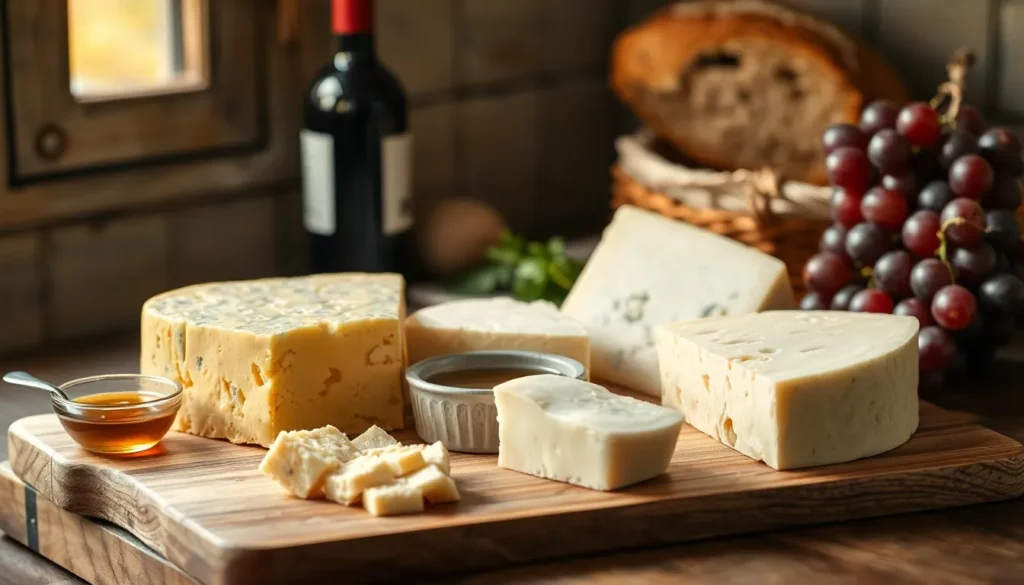
Invecchiato (Italian for “aged”) is a term used to describe cheeses that have undergone a prolonged maturation process, typically lasting from several months to multiple years. This aging transforms the texture, flavor, and aroma of the cheese, resulting in a hard, granular, and intensely savory product. Originating primarily in northern and central Italy, Invecchiato cheeses are made from cow’s, sheep’s, or goat’s milk, with the most famous examples being Parmigiano-Reggiano, Grana Padano, and Pecorino Romano. The aging process concentrates the milk’s natural components, develops crystalline structures, and fosters the growth of beneficial molds and bacteria that contribute to the cheese’s distinctive character.
Origin & History
The tradition of aging cheese in Italy dates back to ancient Roman times, when farmers discovered that pressing and salting curds allowed them to preserve milk solids for extended periods. The first documented mention of a cheese resembling modern Parmigiano-Reggiano appears in the 13th century in the Emilia-Romagna region, specifically around Parma, Reggio Emilia, Modena, and Bologna. Monks in Benedictine and Cistercian monasteries perfected the technique of slow aging, creating a cheese that could be grated and used as a seasoning. By the 16th century, Parmigiano-Reggiano was already being exported across Europe, praised for its long shelf life and umami-rich flavor. Similarly, Pecorino Romano, made from sheep’s milk, has been produced in Lazio and Sardinia since antiquity, with references in the works of Pliny the Elder. The term “Invecchiato” itself became a formal classification in the 20th century as Italian cheese regulations standardized aging categories. Unlike myths that claim Invecchiato cheeses are simply left to rot, the reality is a carefully controlled environment of temperature and humidity, with wheels turned and brushed regularly to ensure even aging.
What’s In It
The core ingredients of Invecchiato cheeses are simple: milk (cow, sheep, or goat), rennet (animal or microbial), salt, and starter cultures. The preparation involves heating the milk, adding rennet to coagulate, cutting the curd into small granules, cooking the curds, and pressing them into molds. After brining or dry-salting, the wheels are transferred to aging rooms where they rest on wooden shelves for a minimum of 12 months for Grana Padano, 24 months for Parmigiano-Reggiano, and 5–8 months for Pecorino Romano. During aging, the cheese loses moisture, develops a hard rind, and forms tyrosine crystals that create a pleasant crunch. The flavor evolves from milky and mild to nutty, savory, and slightly piquant. Invecchiato differs from fresh cheeses like mozzarella or ricotta, which are consumed within days, and from semi-aged cheeses like provolone, which have a shorter maturation and softer texture. The key distinction is the intentional, lengthy aging that defines Invecchiato.
Regional Variations
Invecchiato cheeses vary significantly across Italy, reflecting local milk sources, traditions, and terroir. Below is a comparison of three major regional styles:
| Region | Cheese | Milk | Aging | Flavor Profile |
|---|---|---|---|---|
| Emilia-Romagna | Parmigiano-Reggiano | Cow | 24–36 months | Nutty, fruity, umami, with crunchy crystals |
| Lazio / Sardinia | Pecorino Romano | Sheep | 5–12 months | Salty, sharp, tangy, with a crumbly texture |
| Lombardy | Grana Padano | Cow | 12–24 months | Milder than Parmigiano, sweet and buttery |
Other notable regional Invecchiato cheeses include:
- Pecorino Toscano (Tuscany) – aged 4–6 months, softer and less salty than Romano.
- Pecorino Sardo (Sardinia) – aged 2–12 months, with a grassy, herbaceous note.
- Castelmagno (Piedmont) – aged 5–12 months, crumbly and pungent.
- Montasio (Friuli-Venezia Giulia) – aged 2–18 months, firm and fruity.
How It’s Traditionally Eaten
Invecchiato cheeses are primarily used as grating cheeses (formaggio grattugiato) for pasta, risotto, soups, and salads. Parmigiano-Reggiano is famously paired with balsamic vinegar or drizzled with honey as a dessert cheese. Pecorino Romano is essential in carbonara and cacio e pepe. Invecchiato cheeses are also served as part of a tagliere (cheese board) with cured meats, olives, and bread. They are typically eaten as a secondo course or as a contorno (side) in small quantities due to their intense flavor. On holidays, aged cheeses are often presented as gifts or used in celebratory dishes like tortellini in brodo with Parmigiano. Everyday consumption includes grating over simple pasta or salads. The cheese is never cooked for long periods; it is added at the end of cooking to preserve its texture and flavor.
Common Mistakes / What It’s Not
A frequent misconception is that all hard, grated cheese is Invecchiato. In fact, many pre-grated products labeled “Parmesan” are not true Invecchiato; they may contain cellulose or anti-caking agents and lack the complex aging. Another error is assuming Invecchiato cheeses are lactose-free. While aging reduces lactose significantly, trace amounts remain, so individuals with severe intolerance should exercise caution. Invecchiato is not a cheese that melts smoothly; it is best used as a finishing cheese. It is also not a fresh cheese like mozzarella or burrata. Some American-Italian recipes call for “aged mozzarella,” which is a misnomer—mozzarella is never aged. Finally, Invecchiato should not be stored in plastic wrap; it needs to breathe in wax paper or a cheese bag to prevent mold and maintain texture.
Where to Try It / What to Order
To experience authentic Invecchiato, visit the production regions: Emilia-Romagna for Parmigiano-Reggiano, Lazio or Sardinia for Pecorino Romano, and Lombardy for Grana Padano. Many caseifici (cheese dairies) offer tours and tastings. In Rome, order cacio e pepe at a traditional trattoria; in Bologna, try tortellini with Parmigiano. For travelers, look for the DOP (Denominazione di Origine Protetta) seal on packaging, which guarantees authenticity. Specialty cheese shops in major cities like Eataly or Peck in Milan carry a wide selection. When ordering, ask for the age: “Parmigiano 24 mesi” or “Pecorino Romano stagionato.” Avoid pre-grated versions; buy a wedge and grate fresh.
Related Dishes
FAQ
What does Invecchiato mean?
Invecchiato is the Italian word for 'aged', used to describe cheeses that have undergone a prolonged maturation process to develop intense flavors and hard textures.
How long is cheese aged to be considered Invecchiato?
There is no single legal definition, but most Invecchiato cheeses are aged for at least 12 months. Parmigiano-Reggiano requires a minimum of 24 months, while Pecorino Romano is aged 5–12 months.
Can Invecchiato cheese be eaten by lactose intolerant individuals?
Aging reduces lactose content significantly, often to trace amounts. Many people with lactose intolerance can tolerate small servings of aged cheese, but individual sensitivity varies. It is best to consult a healthcare provider.
What is the difference between Invecchiato and Stagionato?
Both terms mean 'aged', but Invecchiato is more commonly used for cheese, while Stagionato can refer to cheese, cured meats, or wine. In practice, they are often used interchangeably.
Is all Parmesan cheese Invecchiato?
True Parmigiano-Reggiano is always aged at least 24 months, making it Invecchiato. However, generic 'Parmesan' sold in many supermarkets may be a cheaper imitation with shorter aging or added fillers.
Leave a Reply