Short Answer
Getting There
Verona is well-connected via air and rail, making it accessible from major European hubs. The primary airport is Verona Villafranca Airport (VRN), located approximately 12 kilometers southwest of the city center. Travelers can reach the city via the Aerobus shuttle service, which connects the terminal to Verona Porta Nuova train station, or by taxi and rideshare services. For international travelers arriving from further distances, Venice Marco Polo Airport and Milan Malpensa or Linate airports offer broader flight options, with direct high-speed train connections to Verona taking roughly 1 hour and 15 minutes from either Milan or Venice.
The main railway hub, Verona Porta Nuova, is situated just south of the historic center. It is served by Trenitalia high-speed trains (Frecciarossa) and regional services. Direct connections are available from Rome, Florence, Bologna, and Munich. Travelers should verify current schedules and booking requirements on official rail operator websites, as frequencies may vary by season. Bus services also connect Verona to surrounding regions, though trains are generally faster and more comfortable for intercity travel.
Getting Around
Verona’s historic center is compact and predominantly pedestrianized, making walking the most efficient way to explore major sights. The key attractions, including the Arena and Piazza delle Erbe, are within a 15-minute walk of each other. Local buses operated by ATV cover routes extending to the outskirts and nearby hills, useful for reaching accommodations outside the center or visiting sites like Castel San Pietro. Tickets can be purchased at tabacchi shops or via mobile apps, and validation is required upon boarding.
Taxis are available at designated ranks near Porta Nuova station and Piazza Bra. Ride-hailing services operate but may have limited availability compared to larger cities. For visitors driving, be aware of the Zona a Traffico Limitato (ZTL), a restricted traffic zone in the historic center where unauthorized vehicles face heavy fines. Parking is available at secured lots outside the ZTL, such as at the Arena or Cittadella, but spaces fill quickly during peak seasons. Most visitors do not need a car within the city unless planning extensive day trips to rural wine regions.
Best Time to Visit
The ideal time to visit Verona is during the shoulder seasons of spring (April to June) and autumn (September to October). During these months, temperatures are mild, ranging from 15 to 25 degrees Celsius, and rainfall is moderate. Crowds are manageable compared to the summer peak, allowing for a more relaxed experience at major landmarks. Hotel rates tend to be lower than in high summer, though prices rise during major trade fairs.
Summer brings hot weather and significant tourist density, particularly during the opera season at the Arena, which runs from June to August. While the performances are a cultural highlight, accommodation costs peak, and advance booking is essential. Winter offers a quiet atmosphere with festive markets in December, but some attractions may have reduced hours. Travelers seeking cultural events should check the official tourism calendar for specific dates of the Vinitaly wine exhibition or the Opera Festival, as these events significantly impact availability and pricing.
Top Things to Do
Verona Arena
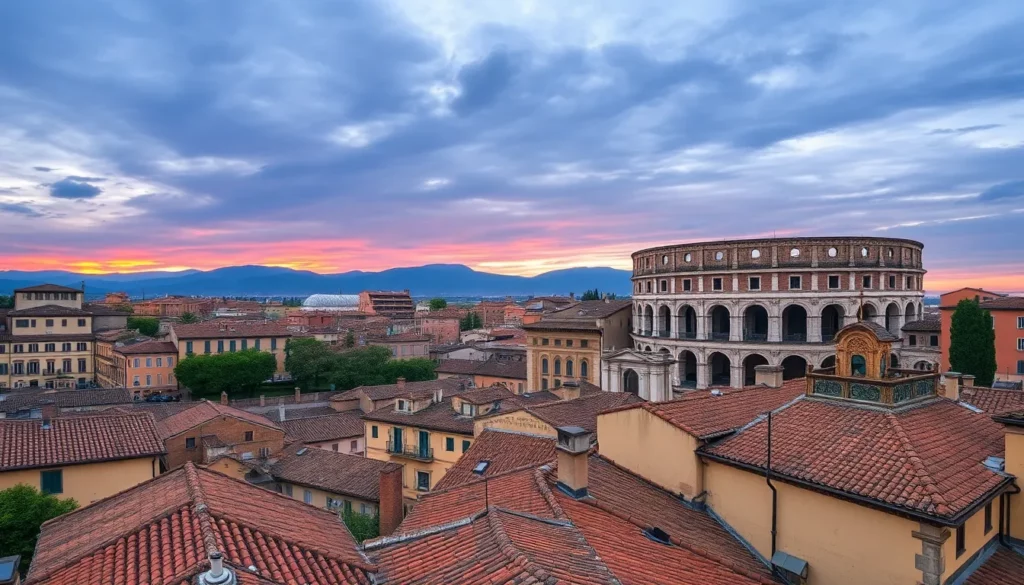
This well-preserved Roman amphitheater dates back to the first century and remains one of the best surviving examples of its kind. It serves as a venue for large-scale opera performances during the summer. Visitors can tour the interior during the day to appreciate the architecture and acoustics. It suits history enthusiasts and music lovers alike. Check the official schedule for performance dates if planning to attend an evening show.
Juliet’s House
Associated with Shakespeare’s famous play, this medieval home features a courtyard with a bronze statue of Juliet and a balcony. While the literary connection is romanticized, the site offers insight into Verona’s tourism history. It is best visited early in the morning to avoid queues. The house museum inside displays period furnishings and frescoes relevant to the Capulet family history.
Piazza Bra
The largest square in Verona, Piazza Bra serves as the city’s social hub, bordered by the Arena and historic palaces. It is lined with cafes and restaurants suitable for people-watching. The area is fully pedestrianized, making it safe for families. Evening strolls here provide a vibrant atmosphere with street performers and local residents.
Castel San Pietro
Perched on a hill overlooking the Adige River, this former military fortress offers panoramic views of the city rooftops and surrounding hills. Visitors can reach the top via a steep walk or a funicular railway from near the Roman Theatre. It is ideal for photographers and those seeking a quiet escape from the busy center. Sunset provides the best lighting for views.
Piazza delle Erbe
Built on the site of the ancient Roman forum, this square hosts a daily market selling fresh produce, souvenirs, and local goods. The surrounding buildings feature frescoes and historic architecture, including the Lamberti Tower. It is a central point for orienting oneself in the city. The market is most active in the mornings, while evenings transform the square into a dining destination.
Verona Cathedral (Duomo)
The cathedral complex includes the main church, a baptistery, and a cloister, showcasing Romanesque and Gothic architectural elements. Inside, visitors can find significant religious art and the tomb of Pope Lucius III. It suits travelers interested in ecclesiastical history and art. Modest dress is required for entry, covering shoulders and knees.
Basilica of San Zeno Maggiore
Located slightly west of the center, this church is a masterpiece of Romanesque architecture with a distinctive striped facade and bronze doors. The interior contains frescoes by Mantegna and a historic cloister. It is less crowded than the central sights, offering a peaceful atmosphere. The surrounding San Zeno neighborhood is authentic and filled with traditional osterie.
Lamberti Tower
Rising above Piazza delle Erbe, this medieval tower offers a vantage point over the city center. Visitors can climb the stairs or take an elevator to the top. The view complements the one from Castel San Pietro by focusing on the dense urban fabric. It is a quick stop that fits well into a walking tour of the market square.
Where to Eat
Verona’s cuisine reflects its position between Lombardy and Venice, featuring rich meats, polenta, and freshwater fish. Local specialties include lesso e polenta (boiled beef with polenta), pastissada de caval (horse meat stew), and risotto all’Amarone made with local red wine. Pandoro, a star-shaped sweet bread, originates from Verona and is essential during the holiday season. Dining habits follow Italian norms, with lunch typically served from 12:30 to 2:30 PM and dinner from 7:30 PM onwards.
Travelers can find traditional osterie and trattorie throughout the historic center and the Veronetta district. Markets like Piazza delle Erbe offer fresh fruit and local cheeses for casual snacks. Wine bars are prevalent, offering tastings of Valpolicella, Soave, and Amarone wines. Tipping is not mandatory but leaving small change is appreciated for good service. Visitors should verify opening hours, as many kitchens close between lunch and dinner service.
Where to Stay
First-time visitors should consider the Centro Storico for immediate access to major sights and dining. This area is vibrant but can be noisy at night, particularly near Piazza Bra. Budget travelers may prefer accommodations near Verona Porta Nuova station, which offers good bus connections and lower rates, though it lacks the historic atmosphere. Families might find the Veronetta district appealing due to its quieter residential streets and proximity to the university, offering a local vibe.
Couples seeking romance often choose boutique hotels near the Adige River or within converted historic palaces. Visitors with cars should look for hotels offering private parking or those located just outside the ZTL boundary to avoid fines. Luxury options are concentrated near the Arena, while agriturismos in the surrounding hills provide a rural retreat for those with transport. Regardless of the area, booking in advance is recommended during trade fairs and the opera season.
Suggested Itinerary
2-Day Highlights
Day 1: Begin at Piazza Bra and tour the Arena. Walk to Piazza delle Erbe for the market and climb Lamberti Tower. Visit Juliet’s House in the afternoon. Enjoy dinner in the historic center.
Day 2: Visit the Basilica of San Zeno Maggiore in the morning. Cross the river to Castel San Pietro for views. Explore the Duomo complex. Depart or enjoy an evening opera performance if in season.
4-Day Relaxed Stay
Day 1 and 2: Follow the highlights itinerary above at a slower pace, allowing time for museum visits and leisurely meals.
Day 3: Dedicate to art and history. Visit the Castelvecchio Museum and stroll along the Scaliger Bridge. Explore the Jewish Ghetto area.
Day 4: Take a day trip to Lake Garda or the Valpolicella wine region. Return for a farewell dinner featuring local Amarone wine.
Local Etiquette & Practical Tips
Visitors should dress modestly when entering churches, ensuring shoulders and knees are covered. Greetings typically involve a polite “Buongiorno” or “Buonasera” upon entering shops and restaurants. Tipping is discretionary; rounding up the bill is common practice. Credit cards are widely accepted, but carrying some cash is useful for small markets or older establishments.
Security is generally good, but standard precautions against pickpocketing apply in crowded tourist areas. The ZTL restrictions are strictly enforced with cameras; do not drive into the historic center without explicit hotel permission. Tap water is safe to drink, and public fountains are available. Accessibility varies, as cobblestone streets can be challenging for wheelchairs, though major sites usually have ramps or elevators.
Day Trips from Verona
Lake Garda
The southern shores of Italy’s largest lake are easily accessible by bus or train. Towns like Sirmione and Lazise offer scenic walks and swimming. This is suitable for a half-day or full-day trip depending on interest in water activities.
Valpolicella
This wine region north of Verona is famous for Amarone production. Guided tours often include tastings and vineyard walks. It is best enjoyed as a full-day excursion, preferably with a designated driver or tour group.
Vicenza
Known for Palladio’s architecture, Vicenza is a UNESCO World Heritage site reachable by train in 30 minutes. It suits architecture enthusiasts and offers a quieter alternative to Verona. A half-day is sufficient for the main sights.
Mantua
Surrounded by lakes, Mantua features Renaissance palaces and art. The train connection takes approximately 40 minutes. It is ideal for a full-day cultural trip focusing on the Gonzaga family history.
FAQ
Is Verona worth visiting?
Yes, Verona offers a compact blend of Roman history, opera culture, and excellent cuisine, making it ideal for short breaks and cultural travelers.
How many days do you need in Verona?
Two days are sufficient for the main sights, but 4 days allow for a relaxed pace and day trips to Lake Garda or Valpolicella.
Is Verona safe and walkable?
Verona is very walkable with a pedestrianized center and is generally safe, though standard precautions against pickpocketing in crowds are advised.
Leave a Reply