Short Answer
Getting There
Venice is primarily accessed via Venice Marco Polo Airport (VCE), located on the mainland approximately 13 kilometers from the historic center. Treviso Airport (TSF) is a secondary option often used by budget carriers, situated about 30 kilometers away. From Marco Polo, travelers can reach the historic islands via the Alilaguna water bus, which offers a scenic but slower route, or via the ATVO and ACTV land buses that terminate at Piazzale Roma. Water taxis provide a direct but expensive transfer to specific hotels along the canals. For those arriving by rail, Venice Santa Lucia Station is the main terminus located directly on the Grand Canal, offering immediate access to vaporetto water buses or walking paths. Direct high-speed trains connect Venice to Milan in approximately 2.5 hours and to Rome in about 3.5 to 4 hours. Visitors driving should note that cars must be parked in secure garages at Piazzale Roma or Tronchetto, as the historic center is entirely pedestrianized.
Getting Around
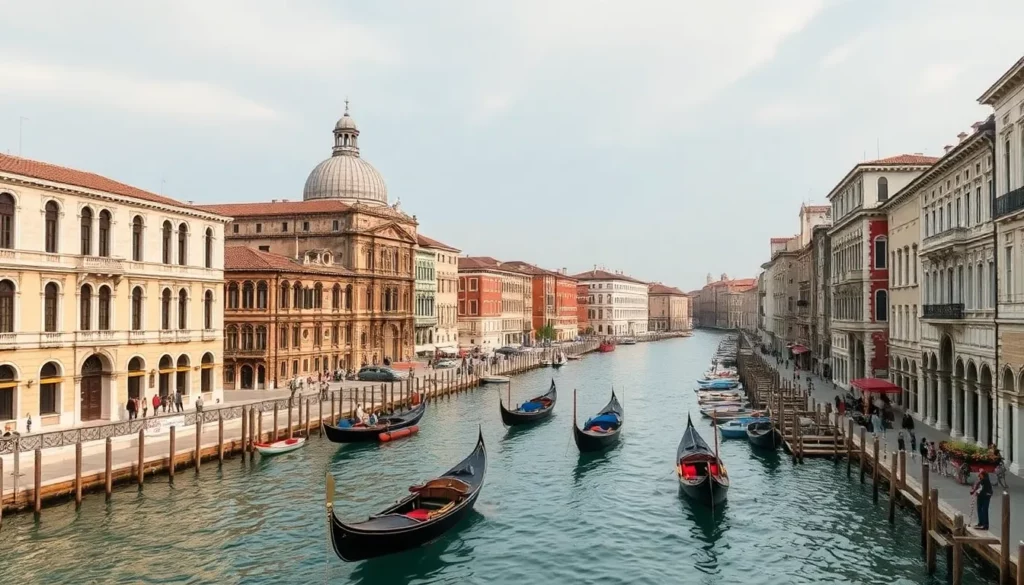
The historic center of Venice is compact and best explored on foot, though the labyrinthine layout can be disorienting. The primary public transport system is the vaporetto, a network of motorized water buses operated by ACTV. Single tickets are available, but multi-day travel passes offer better value for visitors planning frequent water transport. Gondolas are available for hire but serve primarily as a tourist experience rather than practical transport. Water taxis are private and costly, suitable for groups or direct hotel access. Walking requires navigating numerous bridges with steps, which can present challenges for travelers with mobility issues or heavy luggage. There are no cars or bicycles allowed in the main historic islands, making walking and boats the only options. Accessibility is improving with designated routes, but many areas remain difficult to navigate without assistance.
Best Time to Visit
The ideal time to visit Venice depends on tolerance for crowds and weather preferences. Spring (April to May) and early autumn (September to October) offer mild temperatures and manageable crowd levels, making them optimal for sightseeing. Summer (June to August) brings intense heat, high humidity, and peak tourist density, which can strain infrastructure and increase prices. Winter (November to March) is quieter and cooler, with the exception of the Carnival period in February, which attracts significant crowds. Visitors should be aware of acqua alta, or high water, which typically occurs between October and January; while often manageable with raised walkways, severe flooding can disrupt movement. Major cultural events include the Venice Biennale, held in alternating years for art and architecture, and the Regata Storica in September. Always verify specific event dates and weather forecasts before booking.
Top Things to Do
St. Mark’s Square and Basilica
The heart of Venice, this expansive piazza is surrounded by historic cafes and monumental architecture. The Basilica di San Marco features Byzantine mosaics and requires modest dress codes for entry. Expect queues during peak hours and consider booking skip-the-line access in advance.
Doge’s Palace
Once the residence of the Doge of Venice, this Gothic palace showcases opulent chambers, political history, and the famous Bridge of Sighs. It is essential for understanding the Republic’s power and offers guided tours that provide deeper historical context.
Rialto Bridge and Market
The oldest of the four bridges spanning the Grand Canal, the Rialto offers iconic views and access to the historic food market. Morning visits are best for witnessing local vendors selling fresh produce and seafood before the tourist crowds arrive.
Grand Canal Boat Ride
Traveling the length of the main waterway provides a comprehensive view of Venetian palazzos. Visitors can use Line 1 vaporetto for a practical tour or hire a private boat for a more intimate experience during sunset.
Murano and Burano Islands
Located in the lagoon, Murano is renowned for glassmaking demonstrations, while Burano is famous for colorful fishermen’s houses and lace production. Both require a vaporetto trip but offer a quieter atmosphere away from the main center.
Gallerie dell’Accademia
This museum houses the premier collection of Venetian art from the 14th to 18th centuries, including works by Titian and Tintoretto. It is a critical stop for art historians and enthusiasts seeking to understand the Venetian school of painting.
Jewish Ghetto
The historic Jewish quarter offers a poignant look at Venice’s multicultural history, featuring synagogues and a museum. The area is also known for its distinct bakery culture and quieter canals compared to San Marco.
Peggy Guggenheim Collection
Located in the Dorsoduro district, this modern art museum is housed in the collector’s former home along the Grand Canal. It features significant works by Picasso, Dalí, and Pollock, offering a contrast to the city’s classical art.
Where to Eat
Venetian cuisine emphasizes seafood, rice, and polenta, distinct from the pasta-heavy dishes found elsewhere in Italy. Local specialties include sarde in saor (sweet and sour sardines), risotto al nero di seppia (cuttlefish ink risotto), and fegato alla veneziana (calf’s liver). Cicchetti, small snacks similar to tapas, are traditionally enjoyed standing at bacari (wine bars) around Rialto and Cannaregio. Meal times typically align with Italian norms, with lunch served from 12:30 PM to 2:30 PM and dinner from 7:30 PM onwards. Coffee culture is strict; standing at the bar costs significantly less than sitting at a table, particularly in St. Mark’s Square. Visitors should look for menus written in Italian with local ingredients rather than picture menus aimed at tourists.
Where to Stay
San Marco is the most central district, ideal for first-time visitors wanting immediate access to major sights, though it can be noisy and expensive. Cannaregio offers a more residential feel with excellent transport links and a wide range of dining options suitable for budget and mid-range travelers. Dorsoduro is preferred by couples and art lovers for its museums, universities, and quieter atmosphere, though it involves more walking to reach the main train station. Castello is the largest district, offering a mix of luxury hotels near the Arsenale and affordable options further east. Visitors with cars must stay near Piazzale Roma or on the Lido, as vehicles cannot enter the historic center. Families should consider accommodations near vaporetto stops to minimize walking with luggage and children.
Suggested Itinerary
2-Day Highlights
Day 1: Arrive and settle in. Visit St. Mark’s Square and Basilica in the morning. Tour Doge’s Palace in the afternoon. Enjoy cicchetti in the evening near Rialto.
Day 2: Cross the Rialto Bridge early. Visit the Gallerie dell’Accademia. Take a Grand Canal vaporetto ride. End with dinner in Dorsoduro.
4-Day Relaxed Stay
Day 1: Explore San Marco and Doge’s Palace. Evening walk along the waterfront.
Day 2: Morning at Rialto Market. Afternoon at the Jewish Ghetto. Dinner in Cannaregio.
Day 3: Full day trip to Murano and Burano via vaporetto. Return for sunset.
Day 4: Visit Peggy Guggenheim Collection. Explore lesser-known churches. Departure or leisure shopping.
Local Etiquette & Practical Tips
Visitors should dress modestly when entering churches, covering shoulders and knees. Tipping is not mandatory as a service charge is usually included, but leaving small change for exceptional service is appreciated. Greetings typically involve a polite buongiorno (good morning) or buonasera (good evening) when entering shops. Credit cards are widely accepted, but small establishments may prefer cash for low-value transactions. Personal security is generally high, but pickpocketing can occur in crowded areas like St. Mark’s Square and on vaporettos. Avoid feeding pigeons in St. Mark’s Square, as it is prohibited and fined. Be mindful of acqua alta forecasts during winter months and purchase waterproof boots if necessary. Respect residential quiet hours, particularly late at night in narrow streets where sound carries over water.
Day Trips from Venice
Padua is accessible by regional train in about 25 to 50 minutes, offering the Scrovegni Chapel and a historic university atmosphere. Verona is approximately 1 to 1.5 hours by high-speed train, famous for its Roman arena and Shakespearean connections. Vicenza lies about 30 to 45 minutes away by train, known for Palladio’s architectural masterpieces. The Lido is a nearby island reachable by vaporetto, offering beaches and the film festival venue, suitable for a half-day escape. Chioggia, known as Little Venice, is reachable by bus and boat in about an hour, providing a authentic fishing village experience. All train times are approximate and should be verified with current schedules before departure.
FAQ
Is Venice worth visiting?
Yes, for its unique architecture, art history, and atmosphere, though it requires planning to manage crowds and costs.
How many days do you need in Venice?
Two days cover the highlights, but 3 to 4 days allow for a relaxed pace and island exploration.
Is Venice safe, expensive, or walkable?
It is generally safe but expensive; it is walkable though bridges and crowds can challenge mobility.
Leave a Reply